Protect Your Home Before Winter Hits Denver
A roof that seems fine during mild fall weather can show its weak spots once Denver gets snow, freezing nights, and high winds. Small issues often grow when moisture works into the roof system, then freezes and expands. By the time an indoor leak appears, water may have already affected materials beneath the shingles.
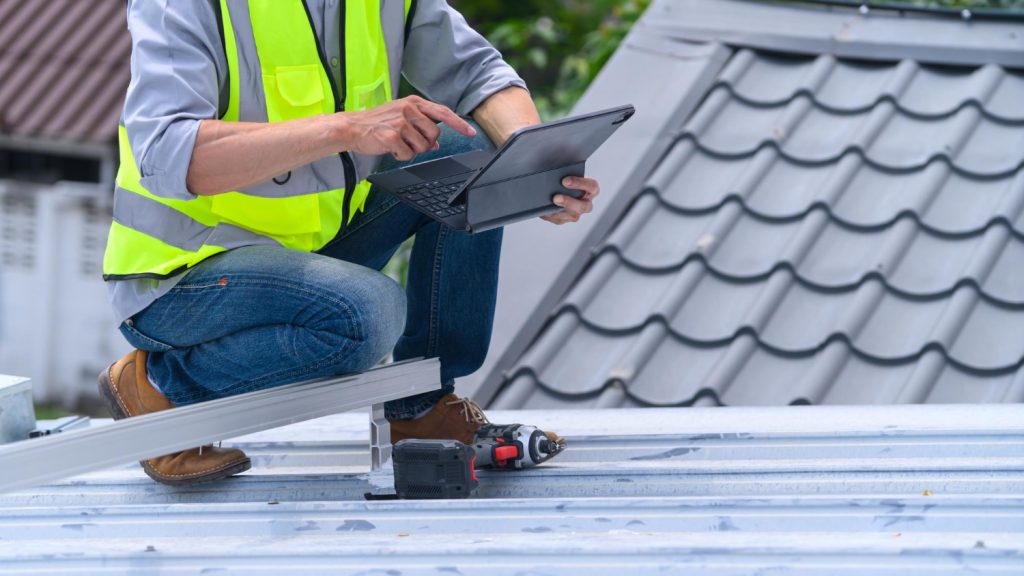
We recommend taking a close look at your roof before winter weather becomes more regular. With more than 30 years of experience serving residential and commercial properties across the Front Range, we know that an inspection can help determine whether a repair is still reasonable or whether roof replacement in Denver is the safer long-term path. Common warning signs include worn shingles, repeat leaks, storm damage, and repairs that keep adding up.
Aging Shingles Can Fail When Snow and Ice Arrive
Shingles are your roof’s first line of defense against rain, snow, wind, and sunlight. When they begin to wear out, moisture can move beneath them and reach the layers underneath. Aging shingles may curl at the edges, crack, become brittle, lose granules, or go missing entirely.
Keep an eye out for signs you can safely spot from the ground:
- Shingles that look curled, cracked, faded, or uneven
- Bare-looking spots where protective granules are gone
- Granules collecting in gutters or near downspouts
- Missing shingles or loose pieces around the yard
- Wear appearing across several areas of the roof
Denver’s winter conditions can make this damage worse. Snow may remain on a roof for days, while sunny afternoons and freezing nights create repeated expansion and contraction. Existing cracks can spread, and weakened shingles may loosen further in strong winds.
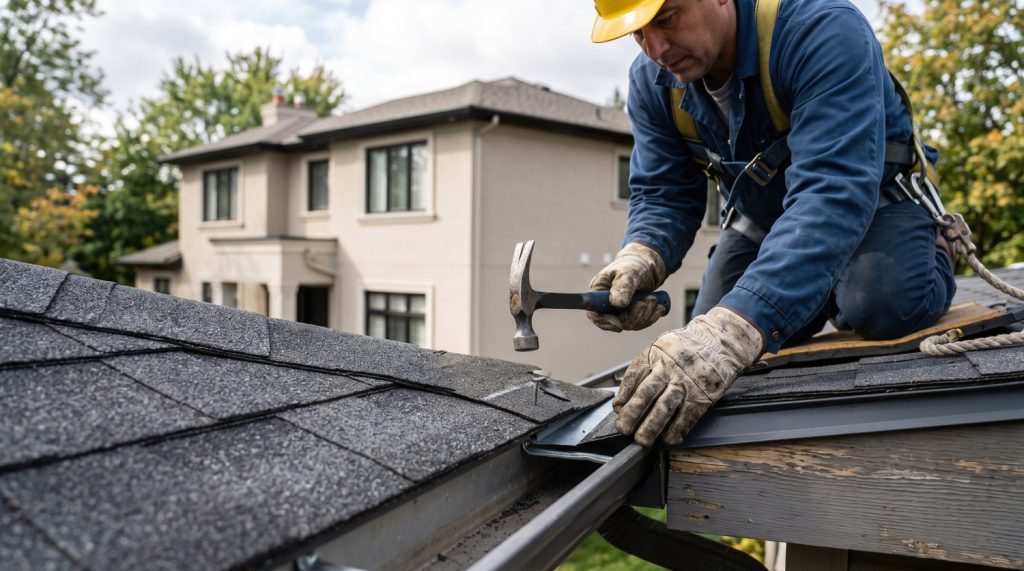
A single damaged shingle does not always mean you need a new roof. Still, widespread wear across multiple roof slopes often points to a roof nearing the end of its useful life. We recommend documenting anything you notice from the ground and leaving the roof walk to a trained professional, especially when materials already look fragile.
Leaks and Attic Moisture Signal Urgent Trouble
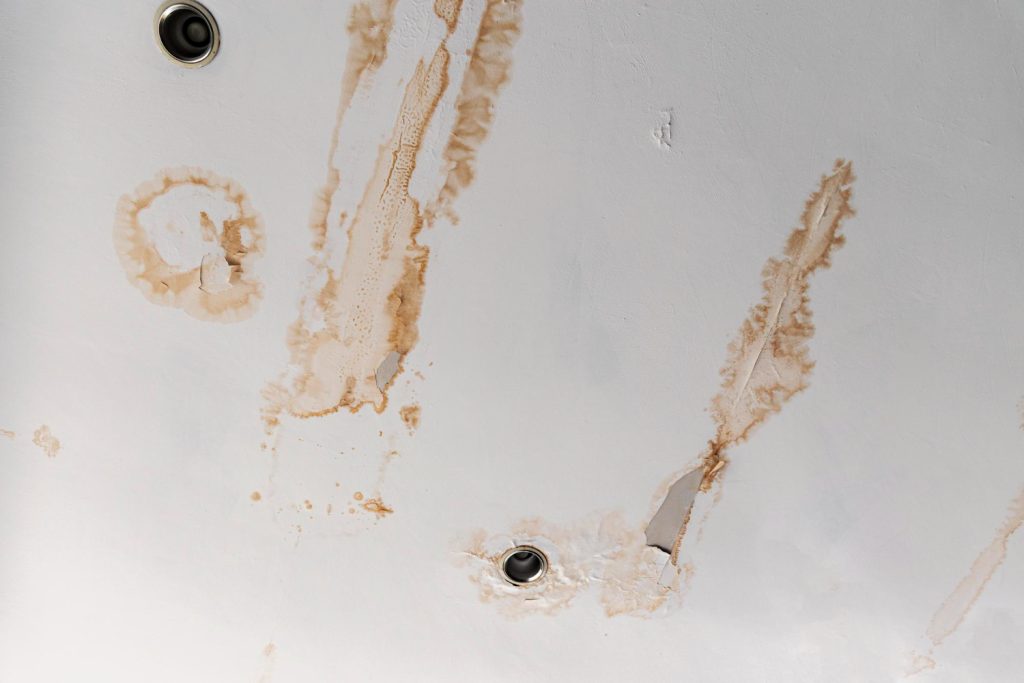
A roof leak does not always drip straight down from its entry point. Water can travel along roof decking, framing, insulation, or walls before it becomes visible indoors. That makes stains and moisture inside your home worth taking seriously, even if they seem small or only appear after certain storms.
Indoor signs that deserve attention include:
- Water stains on ceilings or upper walls
- Damp drywall, peeling paint, or bubbling finishes
- Musty odors in upstairs rooms or closets
- Discoloration near skylights, chimneys, or exterior walls
- Moisture that returns after previous repairs
The attic can reveal other warning signs. Wet insulation, mold or mildew, rusted nails, damp roof decking, and daylight coming through the roof structure can all point to a problem. Attic moisture may affect indoor comfort, make heating less efficient, and allow damage to reach structural components over time.
When leaks keep returning, repeated patchwork repairs may no longer make sense. We evaluate whether the cause is aging shingles, failed flashing, ventilation concerns, ice damming, storm damage, or a combination of issues. That full picture is important when deciding if roof replacement in Denver will better protect your property than another short-term repair.
Storm Damage Can Leave Roofs Vulnerable All Winter
Colorado weather can be tough on roofing materials. Hail, heavy rain, strong winds, and flying debris may damage a roof even when it does not look badly damaged from the street. A storm can loosen shingles, dent metal components, crack vents, or weaken flashing around pipes, chimneys, and other roof openings.
Hail damage may show up as dark spots, bruised areas, exposed asphalt, or missing granules. Wind damage can leave shingles lifted, creased, torn, or missing. Once snow and ice add moisture and weight, these weakened areas can become more likely to leak.
After severe weather, we recommend a professional inspection, especially if your roof is older or has been repaired before. We can assess the condition of the roofing system and explain whether the damage appears limited to a repair or whether replacement should be considered before winter places more stress on the roof.
Replacement Delays Can Raise Winter Repair Needs
Waiting on a roof that is already failing can allow a small opening to become a much larger problem. Water can move beyond the roof surface and affect decking, insulation, ceilings, walls, and nearby electrical areas. The longer moisture remains inside the structure, the more complicated the repair work may become.
Proactive roof replacement in Denver can provide a fresh layer of protection before harsh winter weather settles in. A new roofing system may improve moisture resistance, support proper ventilation, and help your roof stand up better to wind and snow.
Late fall can still be a workable time for roofing work, but weather windows can change quickly. Once active leaks, snow cover, or freezing conditions become more common, scheduling and completing needed work may be harder. An early assessment gives you a clearer understanding of your roof’s condition before an emergency forces the decision.
Schedule a Prewinter Roof Evaluation Today
A roof does not have to be actively leaking to need professional attention. Shingle wear, storm damage, attic moisture, recurring repairs, and an older roof can all be signs that it is time to look closer.
Before winter arrives, a professional evaluation can help you understand whether your property needs repair, restoration, or replacement. Acting on early warning signs may help protect your home or commercial building from avoidable moisture damage during the coldest months.
Protect Your Property With Lasting Roof Solutions
Interstate Roofing Denver can assess your roofing needs and recommend a practical path forward. Learn more about roof replacement in Denver and the materials suited to your property. When you are ready to discuss your project, contact us to request an estimate.