Protect Your Home Before Winter Weather Arrives
A roof leak in late October can turn serious fast in Cheyenne. Freezing temperatures, snow, strong winds, and quick weather changes can push a small opening in your roof into a larger problem before you know it.
From our work at Interstate Roofing Cheyenne, we know that the stain you see on a ceiling may only be part of the damage. Water can move through insulation, roof decking, drywall, electrical areas, and stored belongings. We want to help you recognize when a leak needs immediate attention, what you can safely do indoors, and when professional roofing help is needed.
Leaks That Demand Immediate Action
Not every roof concern is an emergency, but active water inside your home or commercial building should never be ignored. A leak becomes more urgent when water is still entering during rain, snow, high winds, or changing temperatures. In those conditions, damaged roofing materials can allow more moisture inside with every passing hour.
Watch for warning signs that point to a more serious issue:
- Water dripping steadily from a ceiling or running down a wall
- Water near light fixtures, outlets, electrical panels, or appliances
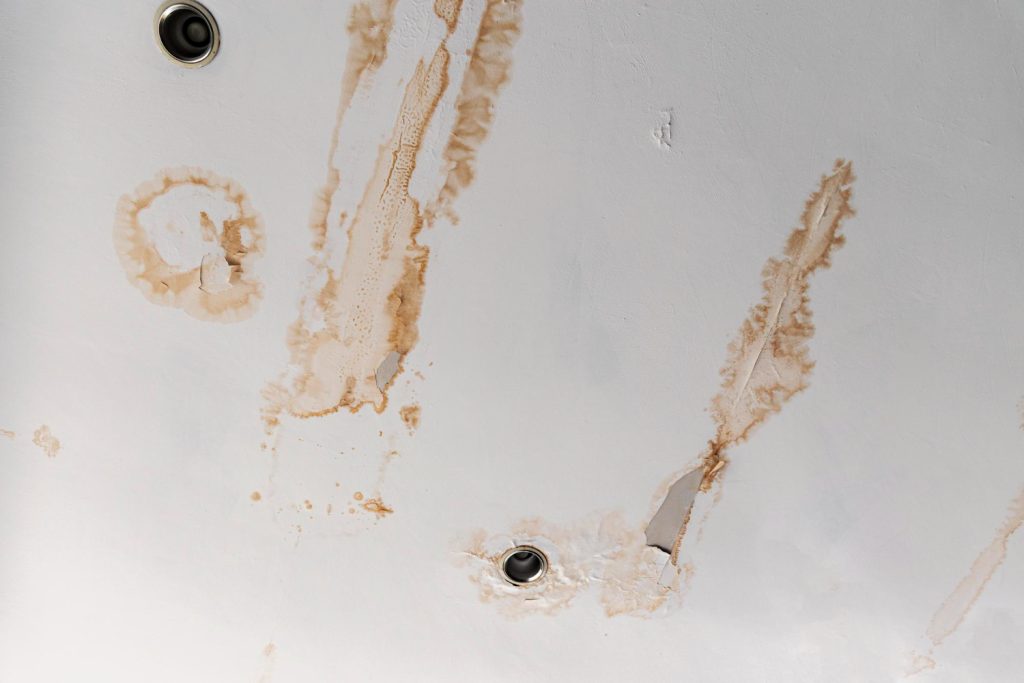
- A ceiling that looks swollen, sagging, cracked, or soft
- Bubbling paint, wet insulation, or damp spots that keep growing
- A visible hole, missing shingles, loose flashing, or storm damage on the roof
Homeowners who notice these signs should seek emergency roof repair in Cheyenne before water damage spreads through the structure. For example, wind can lift shingles enough for rain or snow to enter an attic. Melting snow may also work its way beneath damaged flashing around vents, chimneys, or other roof openings.
Even if the dripping slows, the problem may still be active above the ceiling. Water can remain trapped in insulation or wood components, then show up again when the weather changes. We recommend treating ongoing interior moisture as a reason for prompt professional inspection.
Why Cheyenne Weather Turns Small Leaks Into Emergencies
Cheyenne weather puts roofing systems through a lot. Strong winds can push rain and snow beneath shingles, ridge caps, vents, flashing, and other areas meant to keep moisture out. A roof may look mostly intact from the ground while wind-driven moisture finds a small weak point.
Snow creates another concern. When snow builds up and begins to melt, water needs a clear path off the roof. If damaged materials, blocked drainage areas, or worn flashing get in the way, moisture can back up and enter places it does not belong. Overnight freezing can then harden that moisture inside small gaps, widening openings and causing further hidden damage.
High-altitude sun exposure and sharp temperature swings can also wear down roofing materials over time. Older shingles, seals, and flashing may become more vulnerable as winter approaches, especially after repeated wind and weather exposure.
Emergency roof repair in Cheyenne is especially important when a leak follows a windstorm, hail event, or sudden snowmelt. Waiting for a calmer day can sometimes mean allowing more moisture to reach the roof deck, attic, ceilings, or walls. A timely inspection helps us identify whether the leak is tied to storm damage, worn materials, or a problem around a roof penetration.
Take Safe Steps While Help Is on the Way
Safety comes first when water enters a building. If water is near electrical fixtures, outlets, panels, or appliances, stay clear of the affected area. Do not touch wet electrical components or stand in water nearby. When electricity may be involved, an electrician or emergency services may be needed to address the immediate hazard.
For indoor damage control, we recommend focusing on simple, low-risk steps:
- Place buckets or containers beneath active drips
- Move furniture, electronics, documents, and valuables away from the area
- Use towels to contain water on floors and reduce slipping hazards
- Take photos and videos of visible damage, wet materials, and the source of the leak
- Save receipts for temporary mitigation or emergency protective measures
Avoid climbing onto a wet, icy, snow-covered, or wind-exposed roof. A roof can be dangerous even when the storm appears to have passed, especially after dark or when surfaces are slick. Trying to secure shingles, patch a hole, or clear snow without the right equipment can put you at risk and may make the damage worse.
Documentation matters, too. Clear photos, notes about when the leak began, and records of any temporary protection can be useful if you need to report storm-related damage to your insurance company.
What Professional Emergency Roof Repair Should Include
A proper emergency response starts with finding the real source of the leak. Water often travels away from the original opening, so the spot where it appears indoors may not match the damaged area on the roof. We inspect the roofing system to identify where moisture is getting in and what needs protection right away.
Depending on the condition of the roof, emergency work may include securing loose shingles, protecting exposed areas, repairing damaged flashing, sealing roof penetrations, or placing a temporary tarp over storm-damaged sections. The goal is to limit additional moisture intrusion while we determine the best long-term repair plan.
A trusted provider of emergency roof repair in Cheyenne can also help document storm-related damage and provide guidance for insurance claims. We can assess whether temporary protection is enough or whether the roof needs a more extensive repair or replacement. Materials and repair methods should be suited to the wind, snow, and temperature conditions roofs face in Cheyenne.
Schedule Repairs Before Winter Takes Control
Active leaks, missing shingles, ceiling damage, storm damage, and water near electrical systems all deserve quick attention. The earlier a roofing issue is identified, the better chance you have to limit interior damage before snow, wind, and freezing temperatures add pressure to the roof.
Small leaks rarely stay small through a hard winter. Protecting your property starts with taking visible water intrusion seriously, avoiding unsafe roof access, and having the source of the problem checked before weather conditions make repairs more difficult.
Get Prompt Help When Your Roof Needs It Most
At Interstate Roofing Cheyenne, we provide responsive assessments and practical repair solutions for urgent roofing concerns. For dependable emergency roof repair in Cheyenne, our team is ready to identify the issue and help protect your home. Contact us to request service and discuss your roofing needs.