Choosing Between Metal and Asphalt for Roof Replacement in Cheyenne, WY
A roof replacement is a major decision, especially when your home or commercial property faces Cheyenne’s high winds, heavy snow, hail, bright sun, and quick temperature swings. The right material can help your roof stand up to changing weather while also fitting your plans for the property.
When we inspect a roof, we look beyond the visible surface. Metal and asphalt shingles can both be dependable choices, but the better fit depends on your roof design, budget, long-term goals, maintenance preferences, and the look you want for your property.
Choose a Roof Ready for Cheyenne’s Wind and Snow
Cheyenne weather asks a lot from a roof. Strong wind can loosen materials, hail can leave damage behind, and snow and ice can reveal weak flashing, poor drainage, or ventilation concerns. Sun exposure at a high elevation can also wear on roofing materials over time.
Before choosing a material, we encourage you to think about how you want your roof to perform in the years ahead. A replacement decision should account for more than appearance alone. It should also consider wind resistance, snow handling, energy performance, maintenance needs, and how long you expect to stay in the property.
A professional evaluation can help us identify details that affect your options, including:
- Roof slope and drainage paths
- Existing roof structure and ventilation
- Chimneys, skylights, vents, and flashing areas
- Nearby trees and areas where snow may collect
- Neighborhood or property design requirements
Compare Metal and Asphalt for Roof Replacement in Cheyenne, WY
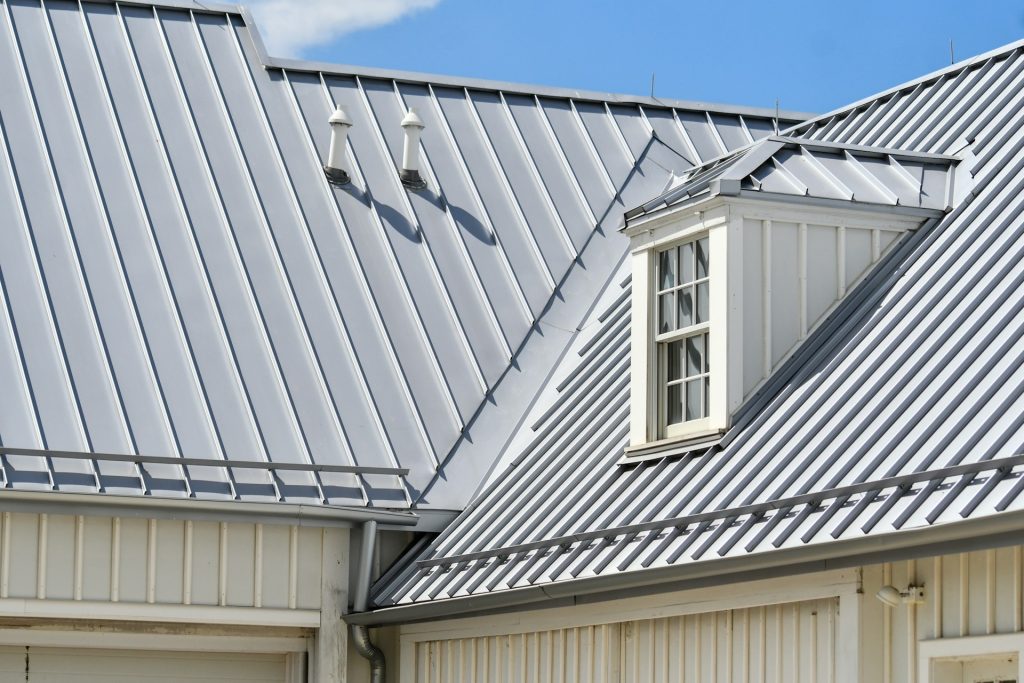
Metal roofing is well known for its wind resistance when it is installed correctly. Standing seam roofs and metal panel systems can create a strong, secure surface with fewer areas where wind can catch an edge. For properties exposed to frequent gusts, that can help reduce the chance of lifted or blown-off materials.
Architectural asphalt shingles can also perform well in windy conditions. The key is choosing quality, wind-rated shingles and making sure the installation method matches the roof and local weather needs. When we discuss shingle options with you, we recommend asking about wind ratings, underlayment, fastening methods, flashing, and attic ventilation.
Snow and ice are another important part of the decision. Metal roofs have a smooth surface that can allow snow to slide off more quickly. That can be helpful, but it may also mean snow retention systems are needed near entryways, sidewalks, driveways, or other areas where a sudden snow release could create a problem.
Asphalt shingles tend to hold snow longer. In some cases, that layer can add insulation during cold weather. On the other hand, snow that remains on the roof makes ice-and-water protection, drainage, and ventilation especially important. We look at the full roof system, not just the surface material, because every part needs to work together.
Balance Initial Investment with Long-Term Value
Metal roofing usually requires a larger initial investment because of the material itself and the specialized installation process. In return, a properly maintained metal roof may last for several decades longer than a conventional shingle roof. That longer service life can make metal appealing for property owners who expect to remain in place for many years.
Asphalt shingles are a more accessible choice for many property owners who need reliable protection without the larger initial investment of metal. Architectural shingles are thicker and more dimensional than basic three-tab shingles, and they offer an appealing middle ground for many homes.
Rather than focusing only on the installation decision, we suggest comparing the full picture. Consider:
- Expected service life for each material
- Ongoing maintenance and possible repair needs
- Insurance considerations after wind or hail damage
- Potential energy savings during sunny months
- How long you plan to own the property
A roof that fits your plans today can feel like a better choice years from now. For example, metal may make sense for a long-term home, while architectural shingles may be a practical fit for a property owner focused on dependable performance and classic curb appeal.
Match Your Roof to Your Property and Priorities
Appearance matters, too. Metal roofing comes in a range of panel profiles, colors, and finishes that can complement modern, farmhouse, mountain, and commercial-style properties. Asphalt shingles offer many colors and dimensional styles that work especially well with traditional homes.
Energy performance can also shape the decision. Reflective metal finishes may help reduce heat absorption during Cheyenne’s sunny high-elevation summers. With asphalt shingles, selecting the right product and maintaining proper attic ventilation can also support indoor comfort through warm and cold weather.
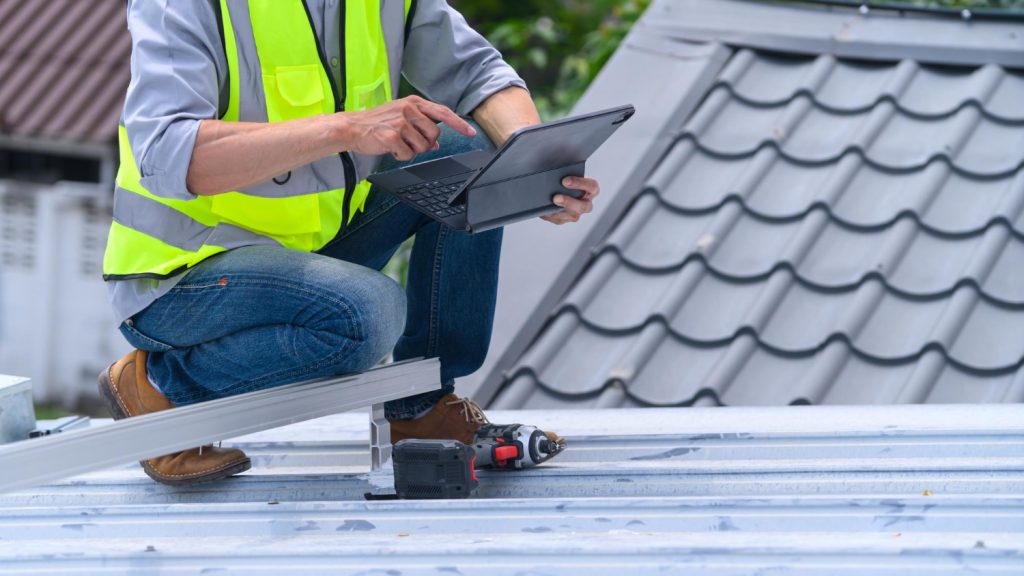
No two roofs are exactly alike. A steep roof, a low-slope section, a complex valley, or several roof penetrations can change how we approach material selection and installation. During an inspection, we assess drainage, flashing details, ventilation, roof structure, and the condition of the existing system so we can recommend an approach suited to the property.
Plan Roof Replacement Before Winter Weather
Fall is a smart time to evaluate your roof before snow, ice, and freezing temperatures become more common. Missing shingles, exposed underlayment, worn flashing, loose materials, and active leaks can become bigger concerns once winter weather moves in.
Roofing work can be completed during cooler months when conditions allow, but planning ahead gives you more flexibility. It allows time to consider metal and asphalt options, review roof details, and prepare for repairs or replacement before a storm creates an urgent situation.
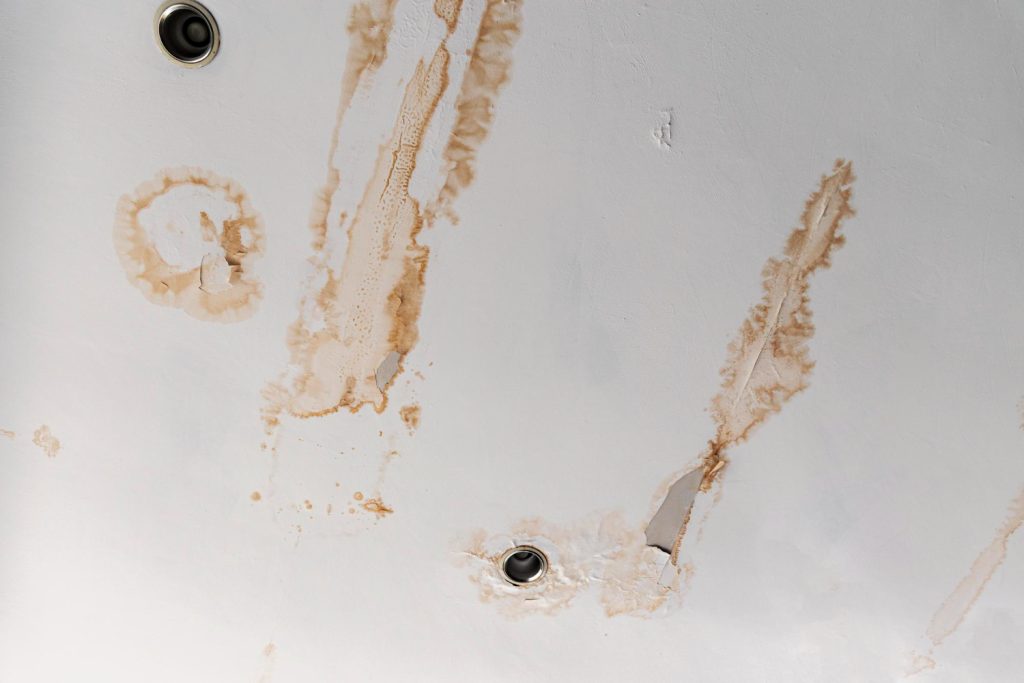
If you have noticed water stains, granule loss, loose roofing materials, visible sagging, hail impacts, or recent wind damage, we recommend having the roof professionally assessed. Timely documentation can also be helpful when storm damage may involve an insurance claim.
Make a Clear, Weather-Ready Decision
Both metal and asphalt can provide dependable protection when the material is selected and installed for Cheyenne’s weather conditions. Metal may be the better fit for long-term durability and snow shedding, while architectural asphalt shingles can provide strong performance, flexible style options, and a lower initial investment.
The best decision comes from looking at the whole roof, not just the material samples. By considering wind exposure, snow movement, roof design, ventilation, drainage, property goals, and storm damage history, you can choose a roof replacement that is ready for the seasons ahead.
Get Clear Guidance for Your New Roof
At Interstate Roofing Cheyenne, we help homeowners compare options, costs, and installation needs with confidence. Learn more about roof replacement in Cheyenne, WY and what to expect from the process. When you are ready to discuss your project, contact us for a straightforward consultation.