Protect Your Home From Las Vegas Sun Damage
UV-resistant roofing materials can help your Las Vegas home handle long days of desert sunshine without giving up curb appeal or comfort. A roof that reflects heat and resists sun damage may hold its color and shape better while placing less thermal stress on the materials beneath it.
Even after the hottest part of the year passes, strong sun, dry air, wind, and monsoon moisture continue to challenge local roofs. We often see standard materials age faster when they face repeated heat cycles, direct UV exposure, and wind-driven debris. Cracking, fading, warping, and dried-out sealants can all begin as small concerns before becoming larger roofing problems.
The right choice depends on more than color alone. Your roof slope, home style, insulation, attic ventilation, budget, and current roof condition all matter. Our inspections help us look at the full picture before we recommend materials suited to your home.
How UV-Resistant Roofing Materials Work
UV-resistant roofing materials are made to reflect more sunlight, absorb less heat, or better withstand the wear caused by ultraviolet rays. That does not mean a roof stays cool to the touch at all times. It means the surface is better prepared for the daily exposure that comes with living in a sunny climate.
Two terms can make this easier to understand:
• Solar reflectance is a roof’s ability to bounce sunlight away from the surface.
• Thermal emittance is a material’s ability to release heat after it absorbs it.
• A roof with both qualities can reduce how much heat stays trapped at the surface.
• Lighter colors and reflective finishes often support better solar performance.
Sun exposure affects more than the visible top layer of a roof. Asphalt shingles can become brittle, protective granules may loosen, sealants can dry out, and some surfaces may fade or crack. UV-resistant products are designed to slow that kind of breakdown, but they still need correct installation and routine professional attention.
A strong roof works as a system. Underlayment, flashing, drainage, attic ventilation, insulation, and the condition of the decking all play a part in how well your roof manages heat. We evaluate these connected pieces because a reflective surface alone cannot correct hidden moisture, loose flashing, or failing materials below it.
Compare UV-Resistant Roofing Materials
There is no single “best” roofing material for every Las Vegas property. Some homeowners want the familiar look of shingles, while others prefer tile or the clean lines of metal. The best fit should balance sun protection with the roof’s structure, style, and long-term maintenance needs.
Reflective asphalt shingles are a practical option for many sloped roofs. Modern architectural shingles may include reflective granules that help reduce heat absorption while keeping the classic shingle appearance. They can be a good choice when you want improved solar performance without changing the overall look of the home.
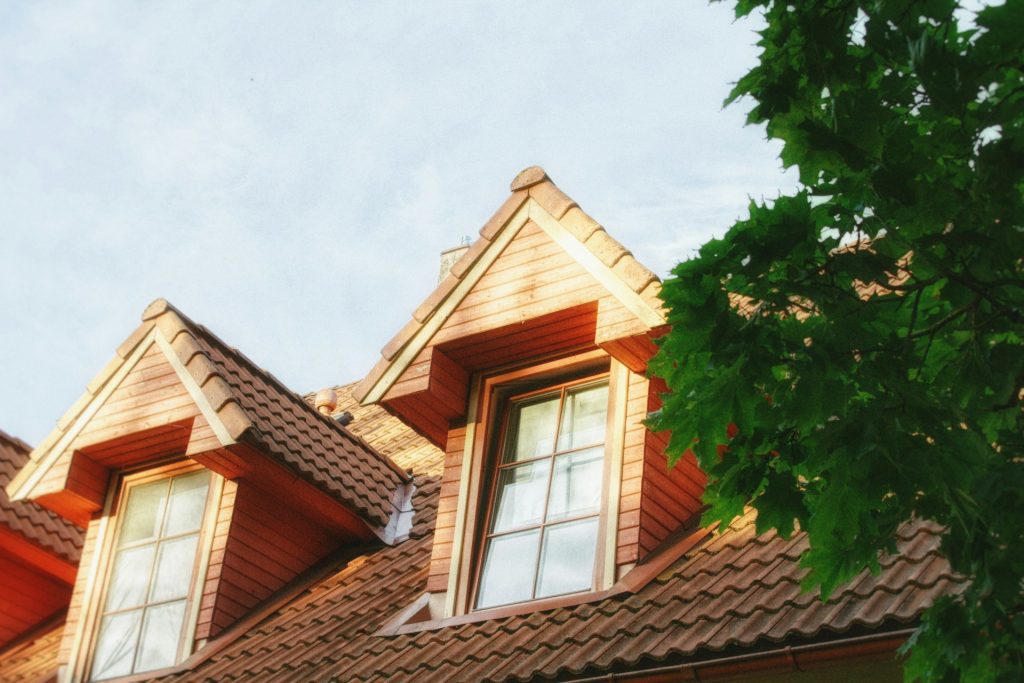
Concrete and clay tile also perform well in desert conditions. Tile is durable, naturally resistant to heat, and available in lighter shades that reflect more sunlight. Still, tile roofing needs professional care. The supporting structure must be suitable for the material, and the underlayment, flashing, and individual tiles need ongoing attention to prevent small issues from affecting the layers below.
Metal roofing is another strong option for sun exposure. Light-colored coated panels can reflect a large amount of solar energy and provide long service life. Quality coatings matter because they help the finish resist fading under constant UV exposure. Proper installation matters just as much, especially for managing normal expansion and contraction and helping the roof stand up to wind.
Cool Roof Coatings Extend Roof Life
For certain low-slope and flat roofing systems, a reflective coating can be worth considering. These roofs are common on home additions, patios, and some residential and commercial properties in the Las Vegas area. When the existing roof is still in suitable condition, a coating can restore reflectivity and add a protective surface layer.
White and light-colored coatings reflect sunlight away from the roof, which can help lower surface temperatures and reduce thermal stress on the membrane. Indoor comfort may also benefit when the roof is paired with appropriate insulation and ventilation.
Different coating systems are made for different conditions:
• Acrylic coatings are often selected for reflective protection and flexibility.
• Silicone coatings may be considered where standing water is a concern.
• Polyurethane coatings can be useful in areas that experience foot traffic.
• Surface preparation and adhesion are just as important as the coating choice.
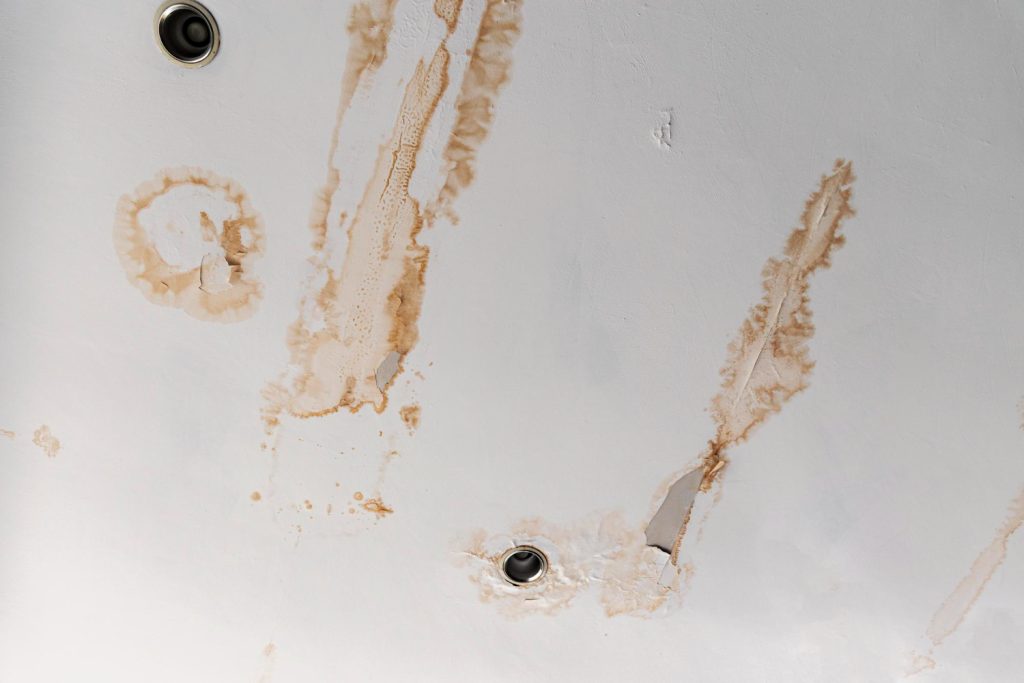
A coating is not a shortcut around major roof damage. Active leaks, saturated insulation, damaged decking, failing seams, and widespread membrane deterioration may need repair or replacement first. We inspect the condition of the existing surface before deciding whether a coating can provide reliable protection.
Plan Before Summer Sun Returns
Fall is a smart time to take a closer look at your roof after monsoon season. Wind and moisture can leave behind lifted shingles, cracked tiles, loose flashing, blocked drainage areas, or subtle signs of water intrusion. When those issues sit through months of strong sun, the materials can continue to dry out and weaken.
A cooler part of the calendar also gives you more room to compare UV-resistant roofing materials, colors, and finishes before summer heat returns. Rather than making a rushed choice during an emergency, you can consider how each option fits your home’s style and long-term needs.
Lighter colors and high-reflectance finishes are often worth discussing, but appearance should not be the only deciding factor. A roof needs to fit the architecture of your home, handle local wind and monsoon conditions, and work with the layers beneath it. We can identify where your current roof is holding up well and where extra sun protection may make sense.
Build Lasting Protection Into Your Roof
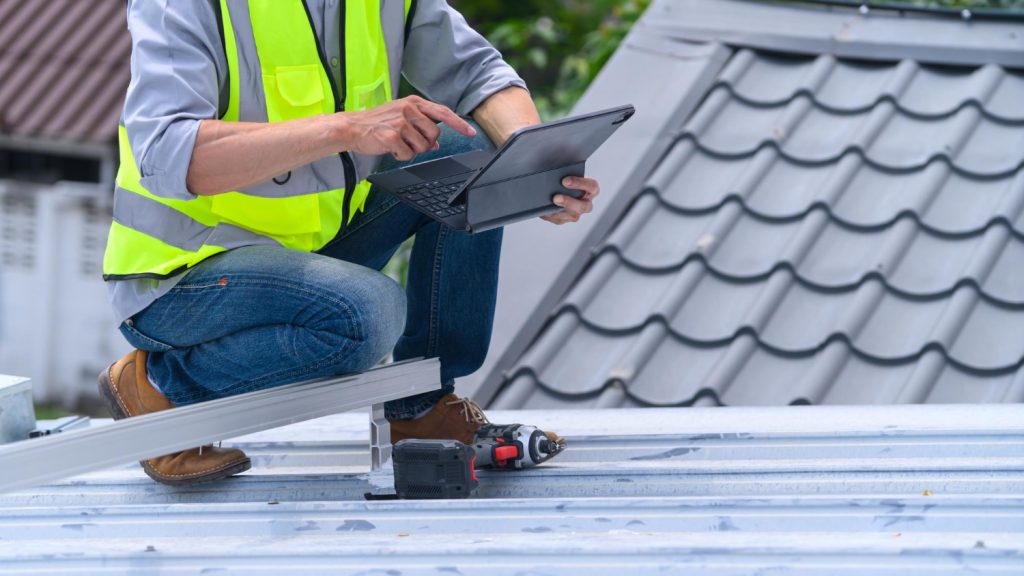
A professional roof assessment can clarify whether your home needs targeted repairs, a reflective coating, or a full replacement with UV-resistant roofing materials. During an inspection, we look for heat-related wear, storm concerns, weakened components, and conditions that could shorten the life of the roof.
The practical takeaway is simple: sun protection works best when it is planned as part of the whole roofing system. Addressing worn materials before the next stretch of intense sunshine can help you protect your roof’s appearance, performance, and ability to handle Las Vegas weather.
Choose Materials Built for Lasting Roof Performance
At Interstate Roofing Henderson, we help homeowners compare UV-resistant roofing materials that suit their home’s needs and style. Our team can explain the advantages of available options and provide clear guidance for your project. Contact us to discuss your roofing goals with an experienced professional.