Keep Winter Weather Outside Your Arvada Building
Small roof problems can turn into big building problems once late fall weather settles into Arvada. Membrane punctures and seam failures can both let water into a low-slope commercial roof, but they form in different ways and need different repairs. Knowing the difference helps you act before snow, wind, and freeze-thaw cycles put more stress on your roof.
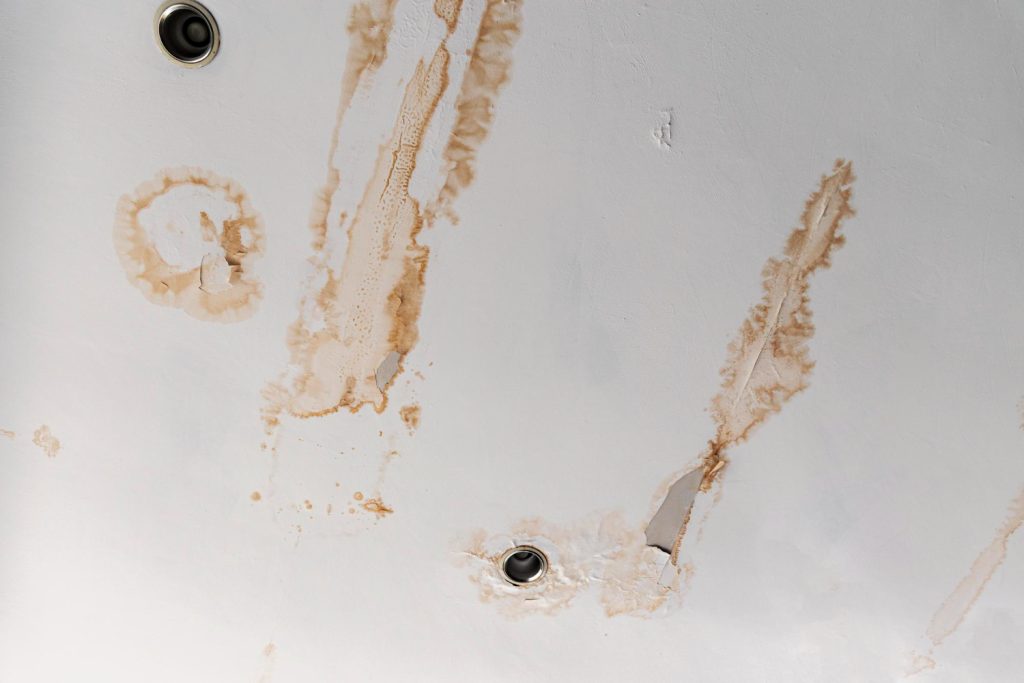
A ceiling stain, damp insulation, or a spot where water ponds may be a warning sign, not the full problem. Water can travel beneath the membrane before it appears indoors, affecting insulation and creating interruptions for tenants, equipment, inventory, and daily work. We recommend addressing visible concerns before winter conditions make inspection and repair work more difficult.
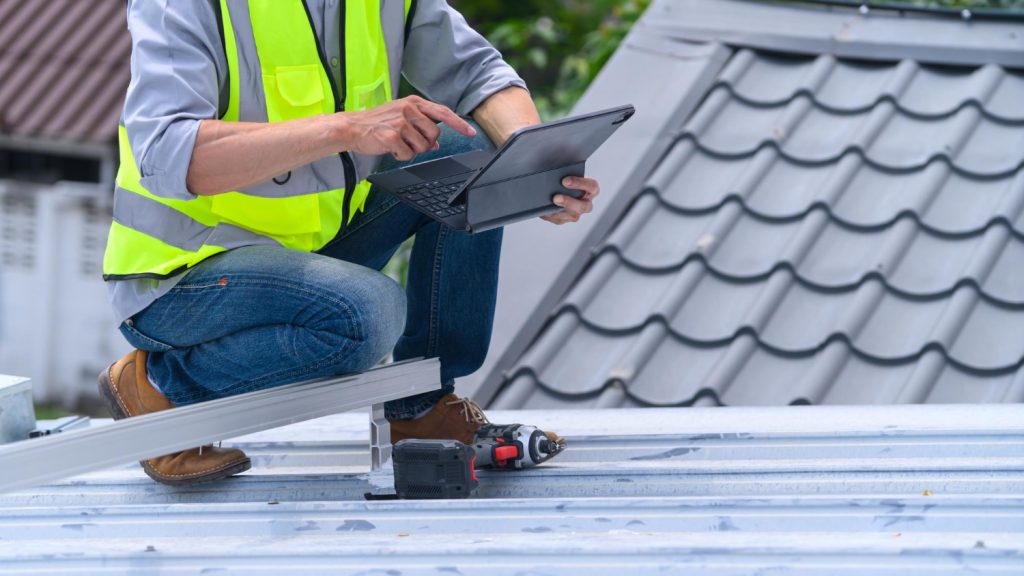
At Interstate Roofing Denver, we provide commercial inspections, storm-damage assessments, repairs, and replacements in Arvada and across the Front Range. A thorough inspection helps us determine whether you are dealing with a localized puncture, an open seam, or a larger issue below the roof surface.
Find Punctures Before They Become Interior Leaks
A membrane puncture is a hole, tear, cut, or other break in the roof’s protective surface. TPO, PVC, and EPDM membranes are designed to keep water out, but even a small opening can expose the insulation and roof deck below to moisture.
Punctures are often caused by a single event or activity. We commonly look for damage around areas where people, tools, equipment, or debris have come into contact with the membrane. Common sources include:
• HVAC service traffic and dropped tools
• Sharp debris left after a storm
• Windblown branches or unsecured rooftop materials
• Hail impacts
• Foot traffic outside designated walk paths
Unlike a seam failure, a puncture is usually concentrated in one small area. Still, the visible opening may not show the full extent of the damage. Once water enters the roofing assembly, it can spread into nearby insulation and remain trapped out of sight.
For commercial roof repair in Arvada, we begin by examining the damaged membrane and the materials around it. A professional repair may include cleaning the area, applying a compatible membrane patch, reinforcing the repair, and checking for moisture beyond the puncture. The goal is not just to cover the hole, but to make sure water has not already moved beneath the roof surface.
Stop Seam Failures at Their Source
Seam failures happen where separate sheets of roofing membrane meet. Depending on the roof system, those seams may be heat welded, adhered with adhesive, taped, or mechanically fastened. When the connection weakens or opens, water can enter along a much longer path than it can through a single puncture.
Several conditions can lead to seam problems over time. Aging materials, poor original installation, weak heat welding, adhesive breakdown, ponding water, wind uplift, and repeated expansion and contraction can all place stress on membrane laps. Colorado temperature swings can make that movement more noticeable, especially when moisture freezes and thaws near an already weakened seam.
Signs of a possible seam failure may include:
• Lifted membrane edges or open laps
• Gaps near flashing, parapet walls, or roof penetrations
• Recurring leaks after rain or snowmelt
• Bubbling or loose-looking membrane material
• Water stains near exterior walls
A seam may look only slightly open from the surface, yet still allow wind-driven rain or melting snow beneath the membrane. We recommend having open laps and lifted edges evaluated promptly, especially before winter moisture reaches the insulation or structural parts of the roof.
Know Which Damage Threatens Your Roof System Most
Punctures and seam failures can look similar after water reaches the inside of your building. Both may lead to ceiling stains, wet insulation, or dripping during a storm. The difference is usually found on the roof itself.
Punctures often appear around a specific impact point, traffic area, or piece of equipment. A seam failure is more likely to follow a membrane lap, flashing transition, parapet wall, drain detail, or penetration such as an HVAC unit. One problem is not automatically worse than the other, but seam damage can create a wider opening for wind-driven moisture.
A small open seam can become more serious during freeze-thaw conditions. Water enters the gap, temperatures drop, and the resulting movement can work the seam farther apart. Meanwhile, a puncture can allow water to soak into the roof system directly below the damaged spot. Both conditions deserve attention before they lead to broader repairs.
That is why commercial roof repair in Arvada should start with more than a quick look at a stain or tear. During an inspection, we assess membrane condition, flashing details, drainage, insulation moisture, and the roof’s remaining service life. Those findings help us recommend a repair approach that matches the actual condition of your roof rather than just the symptom you can see.
Protect Your Roof Before Arvada’s First Major Snowfall
Late fall is a practical time to inspect a commercial roof for punctures, seam issues, damaged flashing, clogged drains, and storm-related debris. Taking care of smaller defects before snow accumulates can help reduce the chance of water entering the roof system when conditions become colder and wetter.
Property managers can also reduce avoidable membrane damage by keeping rooftop activity organized. We encourage you to limit unnecessary foot traffic, use designated walk pads where available, document HVAC service visits, and keep sharp debris off the roof. After strong winds, it is wise to have loose equipment, branches, and blown debris checked so they do not scrape or puncture the membrane.
Regular maintenance supports the life of your roof and helps protect the people and property inside the building. Whether the issue is a pinpoint puncture or a long open seam, early diagnosis gives you more control before winter weather adds water, ice, and wind to the problem.
Restore Confidence in Your Commercial Roof
Interstate Roofing Denver can assess membrane damage and recommend practical next steps for your property. Get experienced support for commercial roof repair in Arvada tailored to the condition of your roofing system. To discuss your roof and request an evaluation, contact us today.