A free roof inspection in Apopka gives you a clear look at how your roof handled Central Florida’s long rainy and hurricane season. Early November is a smart time to check for wear because the busiest stretch of severe weather has passed, yet there is still time to plan repairs before the next rainy season arrives.
When we inspect a roof, our goal is to give you useful, straightforward information, not pressure. You should leave knowing what looks sound, what needs attention, and whether an issue can wait or should be addressed soon.
Protect Your Apopka Roof Before the Dry Season
Some roofing problems are easy to spot from the ground, such as a missing shingle or a branch lying on the roof. Others can stay hidden for months. Wind may lift the edge of a shingle without tearing it off. Flashing can loosen around a vent. Leaves and debris can slow drainage in an area where water should move freely.
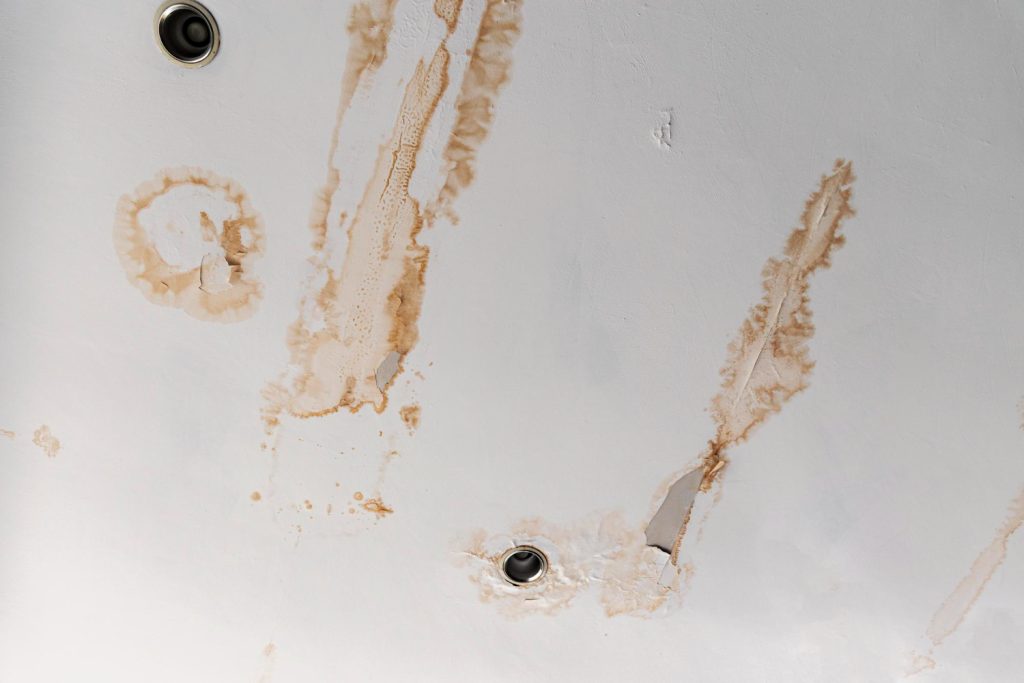
Small concerns may not cause an immediate leak, but they can get worse after repeated heavy rain and humidity. By the time a ceiling stain appears indoors, water may have already moved beneath roofing materials or into the roof deck.
A free roof inspection in Apopka can help us identify concerns such as:
- Wind-lifted, cracked, loose, or missing shingles
- Worn flashing around chimneys, vents, and roof edges
- Clogged gutters or drainage areas holding debris
- Minor leaks or weak points that are not visible from the ground
- General material wear caused by sun, rain, and age
For homes and commercial buildings alike, an inspection creates a better starting point for maintenance planning. It is much easier to make a thoughtful decision when you understand the roof’s current condition.
What We Review During a Roof Inspection
Most inspections begin with a conversation. We may ask about the age of your roof, past repair work, recent storm exposure, and any changes you have noticed. Ceiling stains, damp spots, missing shingles, dripping near vents, or a recurring leak are all helpful details to share.
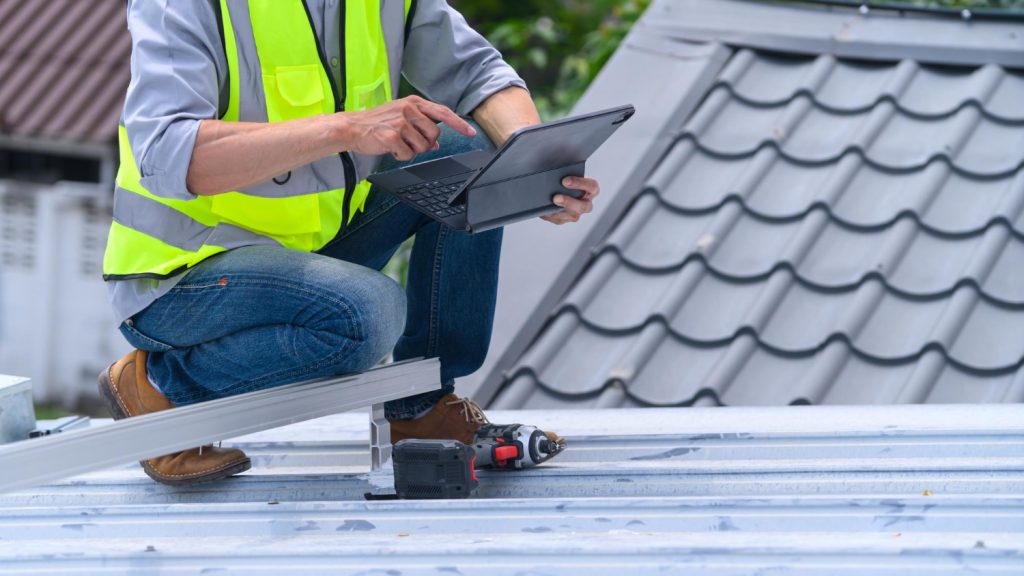
From there, we examine accessible exterior areas of the roofing system. The exact scope depends on the roof’s design, its height, safety conditions, and whether it is residential or commercial. If an area cannot be safely accessed, we explain that clearly so you understand any limits of the review.
During an exterior evaluation, we may look at:
- Shingles, tiles, metal panels, or commercial roofing materials
- Valleys, ridges, roof edges, and visible fasteners
- Flashing around vents, chimneys, skylights, and penetrations
- Gutters, downspouts, and visible drainage components
- Tree branches, debris, and nearby conditions that may affect the roof
When appropriate, we also look for signs of moisture intrusion inside or around the structure. Attic spaces, ceilings, walls, and areas near roof penetrations can sometimes show clues that the roof has allowed water inside. This part of the process helps connect an exterior concern with what may be happening below the roof surface.
Storm Damage We May Find
Apopka roofs deal with a demanding mix of strong sun, heavy rain, high humidity, and seasonal tropical weather. A roof can look mostly intact from below while still having vulnerable spots that allow water to travel beneath the outer materials.
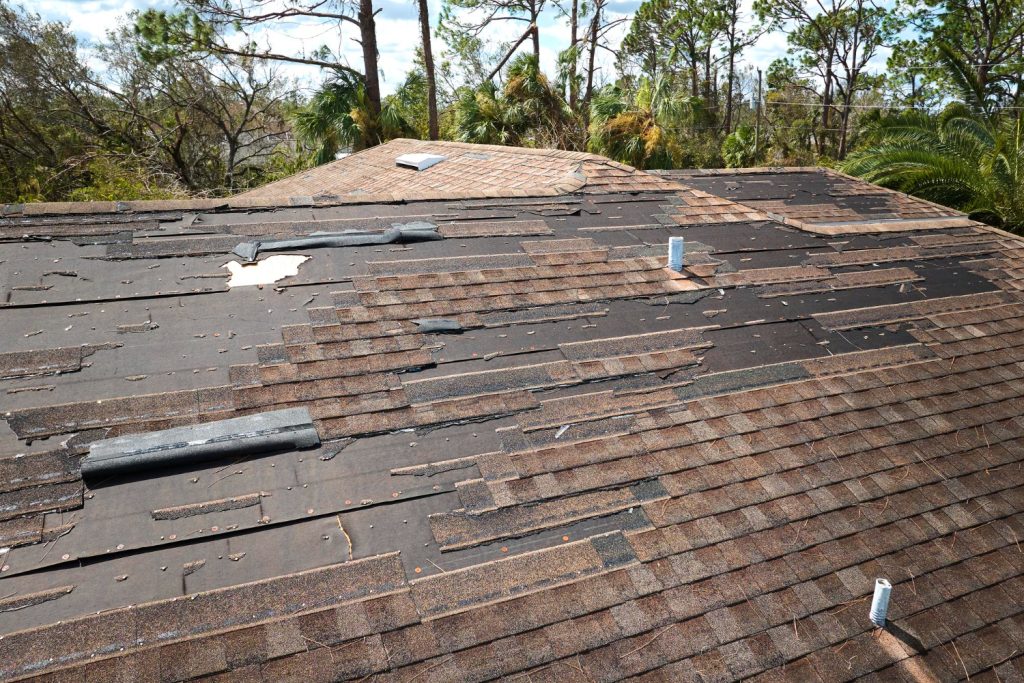
Wind damage is one issue we watch for after storm season. High winds can crease shingles, loosen ridge caps, pull flashing away from edges, expose fasteners, or shift tiles out of position. Even a small opening can create a path for water during the next major rain event.
Water-related concerns are another common focus. Worn sealant, aging pipe boots, damaged flashing, clogged gutters, and compromised valleys can all affect how water moves off the roof. On low-slope commercial roofs, we may also look for ponding water, seam concerns, drains, scuppers, coping, and rooftop equipment curbs.
Sun exposure matters just as much over time. Heat and UV rays can cause shingles to lose granules, curl, crack, or become brittle. Metal, tile, and commercial roofing systems may show corrosion, cracking coatings, separated seams, or deteriorated sealants. Finding these conditions early can help prevent larger problems involving rot, mold, insulation damage, or interior repairs.
How We Document Roof Conditions
A useful inspection should not end with a vague answer that a roof is “good” or “bad.” We explain what we observed and help you understand the condition of key parts of the roof. Some areas may only need monitoring, while others may call for maintenance, repair, or replacement planning.
Photos can make the findings much easier to understand. Seeing damaged flashing, worn seals, missing shingles, debris buildup, or drainage trouble gives you a clearer picture of what is happening overhead. Documentation can also be helpful when you are organizing maintenance priorities or considering whether recent weather may have affected the roof.
Our recommendations should separate immediate concerns from longer-term planning. For example, a localized flashing issue may need prompt repair, while widespread material wear may suggest that it is time to budget for a future replacement. For commercial property managers, this information can help protect tenants, inventory, operations, and building maintenance plans.
Ask questions during the review, especially about how urgent each issue is and what could happen if it is left alone. A clear explanation helps you make decisions based on the roof’s actual needs rather than guesswork.
What Happens After the Inspection
The next step depends on what we find. If the roof has no significant concerns, we may recommend routine maintenance and a future inspection schedule. If repairs are needed, we explain the affected area, the work involved, the materials needed, and whether the issue appears isolated or part of broader wear.
When a roof has repeated leaks, extensive storm damage, widespread deterioration, or is nearing the end of its service life, replacement planning may make more sense than repeated patching. That discussion should consider roofing materials suited to Central Florida conditions, along with ventilation and drainage needs for your specific property.
If storm damage appears to be involved, professional documentation can help you better understand the roof’s condition before speaking with your insurance carrier. While no inspection can promise a claim outcome, clear findings can support a more informed conversation.
A roof check after the rainy season is a practical way to catch hidden trouble while there is time to plan. Addressing small concerns before they grow can help protect your building interior and reduce the chance of an unexpected roofing problem when severe weather returns.
Gain Clarity About Your Commercial Roof
At Interstate Roofing Maitland, our team can assess your roof’s current condition and explain what we find in clear, practical terms. Request a free roof inspection in Apopka to get informed guidance for your commercial property. If you have questions about your roofing needs, contact us to speak with our team.