Choosing the right roof slope protects more than the top of your building. It affects how your property handles rain, manages heat, supports equipment, and fits into your long-term maintenance plan. For Las Vegas businesses, intense sun, summer heat, wind, and sudden rain make the decision between low-slope commercial roofing and steep-slope options especially important.
As the holiday season approaches, fall is a smart time to look over your roof after months of sun exposure. We can help you consider the building design, drainage needs, material choices, energy goals, roof access, and upkeep each option requires.
Choose a Roof Slope That Protects Your Investment
Low-slope commercial roofing has a gentle pitch, not a completely flat surface. That slight angle guides water toward drains, scuppers, or other drainage points. Steep-slope roofing has a more noticeable angle, allowing water to run off quickly toward gutters and downspouts.
Each style can work well when it matches the building. We look at how your property is built, what sits on the roof, how water currently moves, and what type of appearance you want. A roof that looks great but cannot support your HVAC equipment or manage rain properly may create headaches later.
When reviewing roof slope options, we recommend thinking about:
- Building size, shape, and structural design
- Rooftop HVAC units, vents, solar panels, and other equipment
- Drainage paths and areas where water collects
- Material performance under strong UV exposure
- Access needs for inspections and future service
A fall roof evaluation gives you time to spot wear from the long hot season and address concerns before periodic rain arrives. It can also help you plan ahead before the next monsoon season puts drainage and roof details to the test.
Understand Where Low-Slope Commercial Roofing Works Best
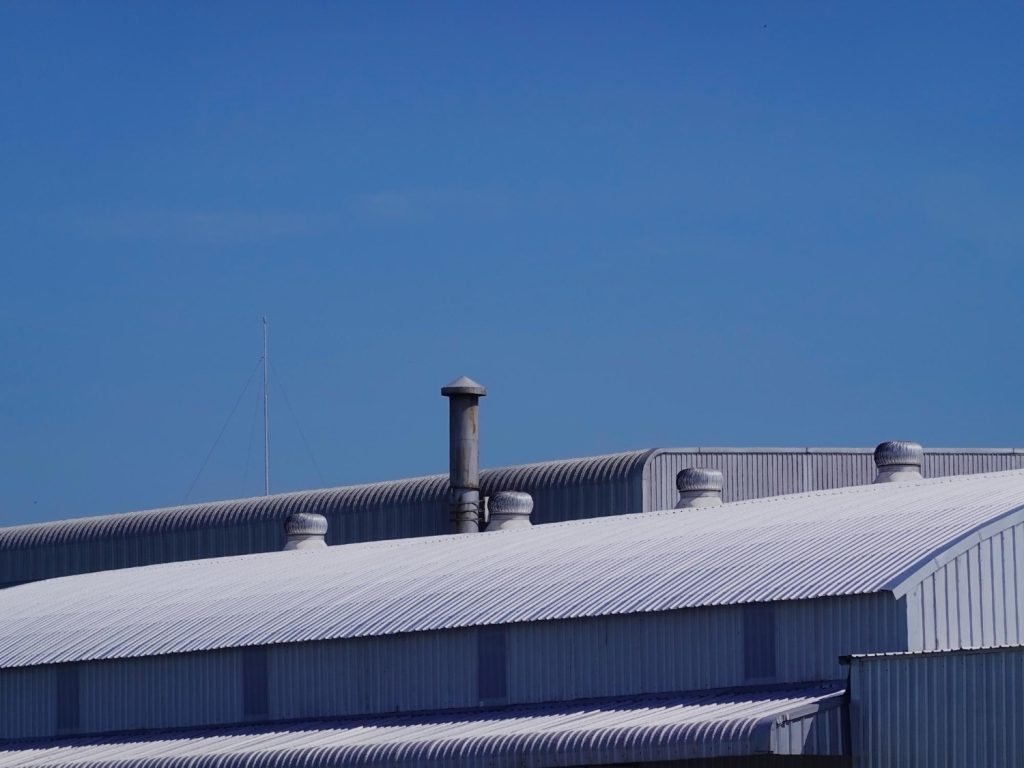
Low-slope commercial roofing is common on warehouses, office buildings, retail centers, medical facilities, multifamily properties, and industrial spaces. Large buildings often have wide roof areas, and a low-slope design makes practical use of that footprint.
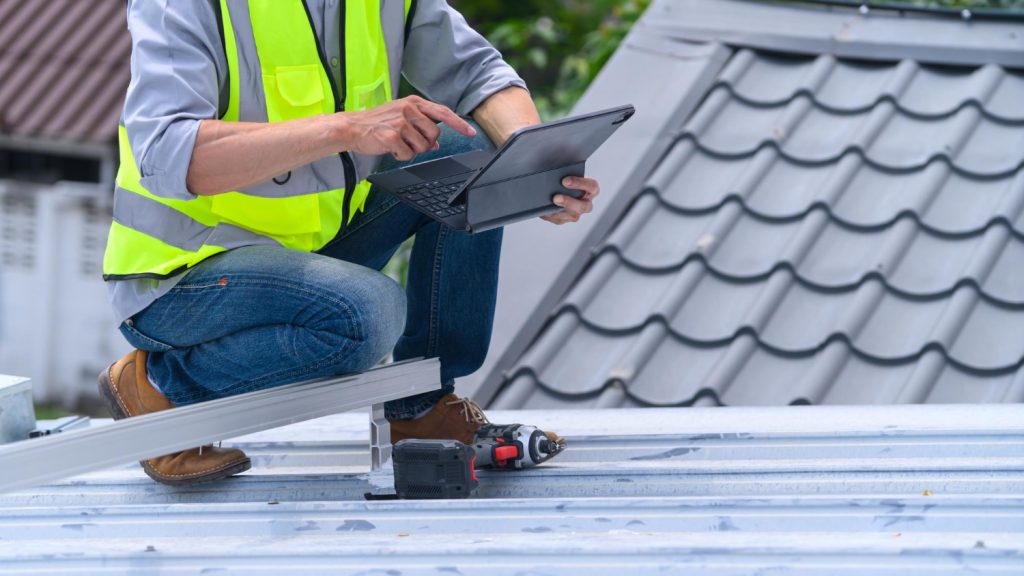
Because the surface is easier to access than a sharply angled roof, it can support HVAC units, vents, solar equipment, and other mechanical systems. Technicians need clear, safe routes to service this equipment, while the roof assembly below must stay sealed around every penetration. We pay close attention to these areas because even a small opening around a pipe, curb, or vent can become a weak point.
Material selection also matters in the desert. Depending on the structure and project needs, low-slope systems may include:
- TPO or PVC membranes
- Modified bitumen or built-up roofing
- Metal roofing systems
- Roof coatings designed for suitable roof surfaces
Reflective materials can limit heat absorption from direct sunlight, which may support more comfortable indoor conditions during long stretches of hot weather. The right material must also work with the roof’s insulation, drainage layout, and existing structure.
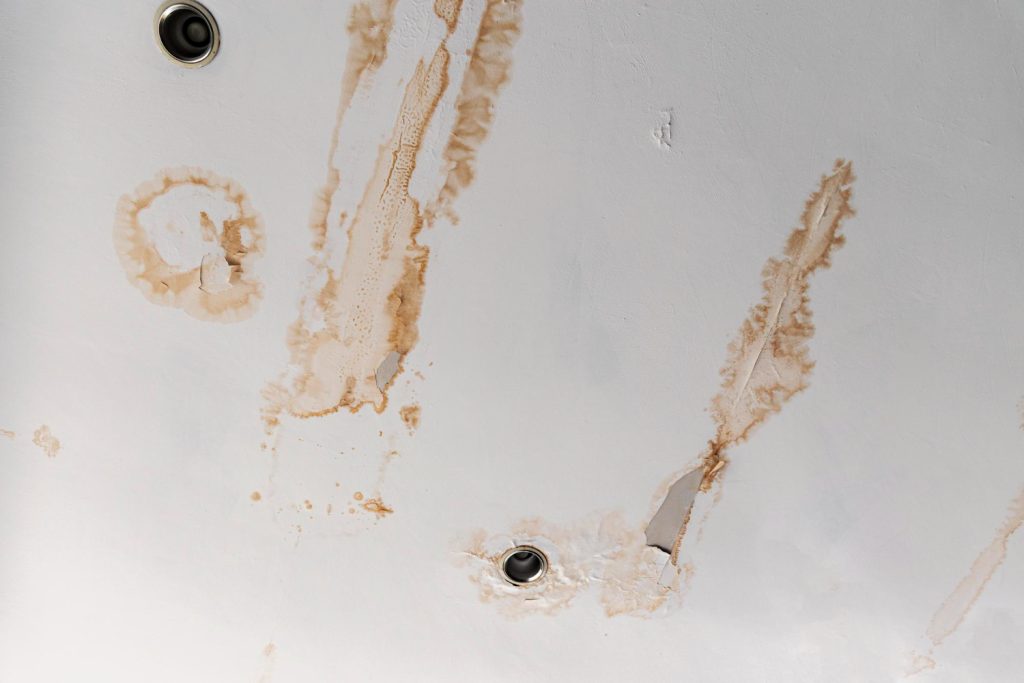
Drainage is one of the biggest parts of a successful low-slope system. Water moves more slowly across a nearly level roof, so drains, scuppers, crickets, and tapered insulation need thoughtful placement. Proper design helps prevent ponding water, which can add stress to roofing materials and lead to earlier deterioration.
Weigh the Advantages of Steep-Slope Roof Systems
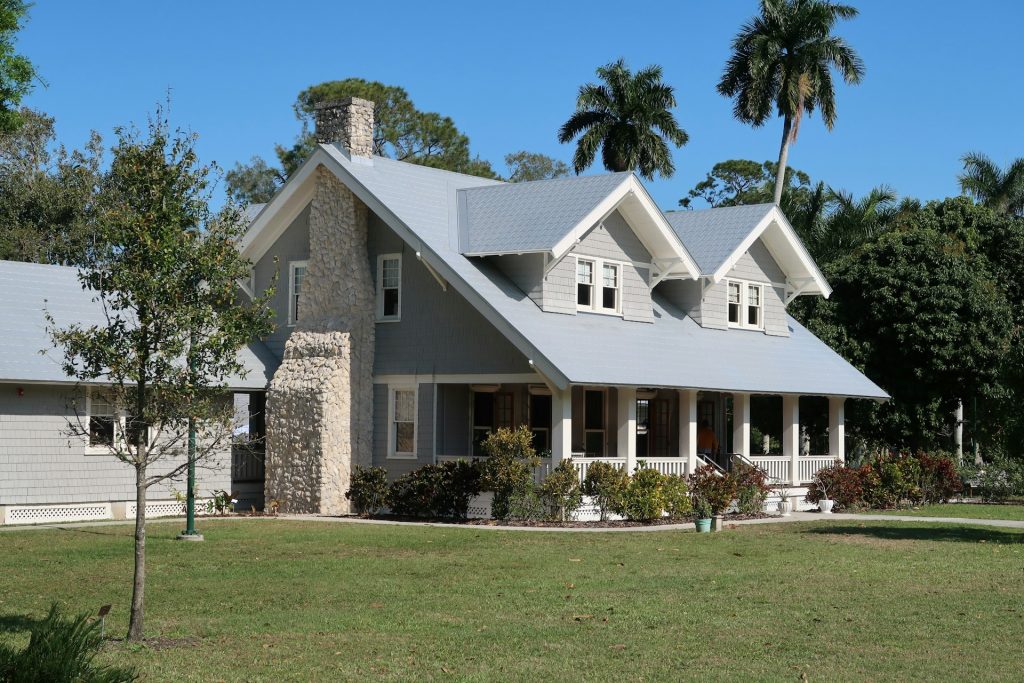
Steep-slope roofs are often found on smaller commercial buildings, churches, restaurants, mixed-use properties, and retail storefronts. They can give a building a more traditional or residential-style appearance while moving rainwater away from the roof surface quickly.
Fast water shedding is a clear benefit during sudden Las Vegas rainstorms. Still, a steep angle does not eliminate maintenance needs. Gutters, downspouts, flashing, and roof-to-wall transitions must remain in good condition so water has a controlled path away from the building.
Appearance is another reason a business may choose a steep-slope system. Tile, standing-seam metal, architectural shingles, slate-style products, and other finishes can create a distinct look. For properties where curb appeal, tenant attraction, or neighborhood character matter, that visible profile may be worth considering.
There are tradeoffs, too. Steep-slope roofing can involve more complex framing and provides less usable space for rooftop equipment. The angle can also make inspections and repairs more involved. Before choosing this style, we review material weight, wind resistance, structural support, and local building requirements.
Compare Maintenance and Energy Performance
Installation is only one part of the decision. A roof should also fit the way your building operates year after year. Low-slope systems can cover broad roof areas efficiently, but drains, insulation, seams, penetrations, and equipment curbs all affect the overall design.
Routine inspections are especially helpful for low-slope commercial roofing. We check drainage points, membrane surfaces, seams, flashing, and areas around rooftop equipment for signs of damage or wear. Clearing blocked drains and addressing small issues early can help prevent a larger water-management problem.
Steep-slope systems need regular attention as well, particularly after strong winds. Inspections may focus on shingles, tiles, metal panels, fasteners, gutters, flashing, and transitions where different roof sections meet.
Energy performance depends on the complete roof assembly, not slope alone. Reflective membranes and coatings may help low-slope roofs reduce solar heat gain. Steep-slope roofs can also support better thermal performance when paired with appropriate insulation, ventilation, and heat-resistant materials. We can assess which approach better matches your building’s layout and energy priorities.
Plan for Las Vegas Weather and Building Requirements
Las Vegas roofing materials face repeated cycles of intense heat and cooler evenings. That movement can cause membranes, sealants, flashing, and fasteners to expand and contract over time. Quality materials and professional installation help reduce the chance of cracking, leaks, and early wear.
Both roof styles need secure edge details, sealed penetrations, and dependable drainage. A roof inspection can reveal loose materials, clogged drains, worn flashing, or weak areas around equipment before rain and wind expose the problem.
Building requirements also shape the final choice. Roof slope, insulation levels, material weight, drainage capacity, structural support, and rooftop equipment may all affect project specifications. Before selecting a system, it helps to have a professional assess the existing roof, building layout, visible damage, insulation needs, and future service requirements. A careful evaluation now can make it easier to choose a roof that serves your property well through the seasons ahead.
Get a Roofing Plan Built for Your Property
Interstate Roofing Henderson helps Las Vegas property owners compare materials, performance needs, and long-term maintenance considerations with confidence. Our team can provide guidance on low-slope commercial roofing options that align with your building’s goals. For a clear next step, contact us to discuss your commercial roofing project.