Protect Your Property with a Prompt Roof Check
Jacksonville storms can leave roof damage that is hard to spot from the ground. Heavy rain, strong winds, wind-driven debris, hail, and tropical systems can affect shingles, flashing, drainage parts, roof membranes, and even areas inside your building. A professional inspection gives you a clearer picture before a small weak spot turns into a leak, mold concern, or larger repair.
Late-season storms can be especially frustrating because damage is not always obvious right away. A storm damage roof inspection in Jacksonville helps you understand what was affected, what needs prompt attention, and what may simply need to be watched over time.
Start with a Safe, Timely Assessment
Once conditions are safe, it is wise to have the roof checked after a named tropical system, a severe thunderstorm, hail, or days of heavy rain. A quick assessment can find exposed areas before another round of rain gets beneath roofing materials.
Please do not climb onto the roof to investigate. Wet roof surfaces, loose shingles, hidden punctures, fallen limbs, and damaged electrical lines can all create real hazards. From the ground, you can safely take note of visible changes around the property, including:
- Missing shingles or roofing pieces in the yard
- Fallen branches or debris resting against the building
- Bent gutters, loose downspouts, or overflowing drainage areas
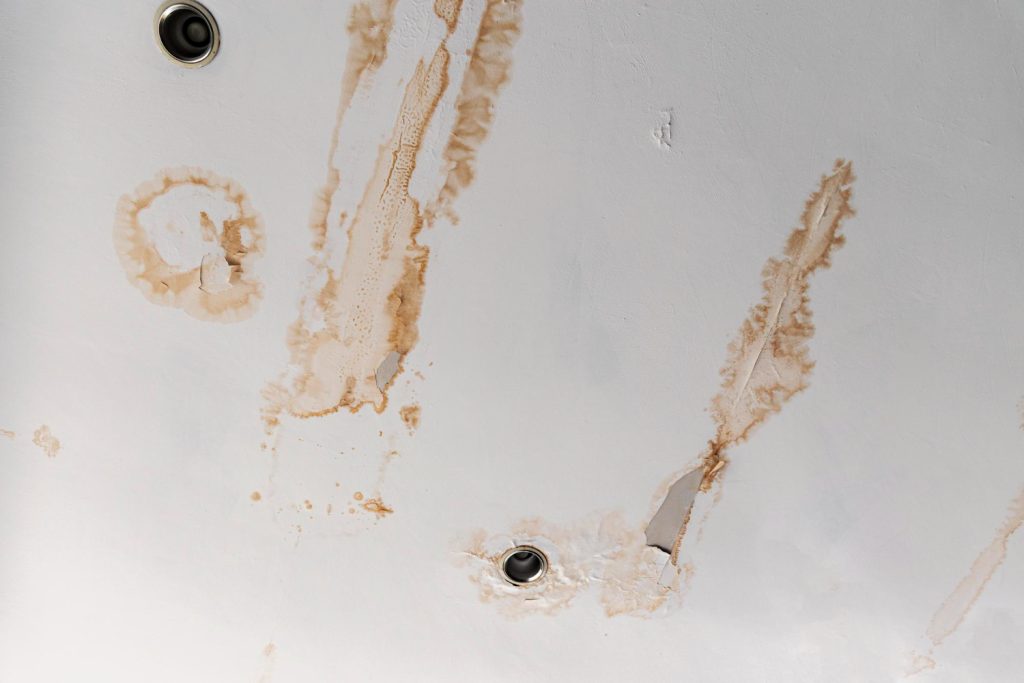
- Water stains on ceilings or walls
- Damaged flashing or visible gaps near roof edges
During an inspection, we look beyond the roof surface. The review may include flashing, vents, skylights, gutters, drainage paths, attic areas, ceilings, and exterior walls. We also consider the roof’s age, material, repair history, and the type of weather it faced. Hurricane season officially continues through November 30, so an inspection in early November can help you prepare before another late-season system develops.
Recognize Common Signs of Storm Damage
Wind damage is one of the findings we see most often after Jacksonville storms. On an asphalt shingle roof, wind can lift, crease, crack, shift, or remove shingles. It can also break the seal between shingles. Even if the roof looks mostly normal from the ground, broken seals can leave the underlayment or roof deck more open to future rainfall.
Heavy rain often points to drainage concerns. Leaves, twigs, and storm debris can clog gutters and downspouts, causing water to back up where it does not belong. On low-slope commercial roofs, standing water may reveal a drainage issue that deserves closer attention. We may also find worn sealant, concerns near valleys, or signs that water has moved beneath roof materials.
Debris strikes can be just as troublesome. A tree limb, loose outdoor item, or airborne object may dent metal pieces, crack tile, puncture a membrane, or loosen flashing around a vent or chimney. Inside, we may look for clues such as ceiling stains, peeling paint, damp insulation, musty odors, or moisture in attic spaces. These signs help us determine whether water entered during the storm or whether an older issue became more noticeable afterward.
Separate Cosmetic Concerns From Active Roof Problems
Not every mark after a storm means you need a roof replacement. Minor granule loss, small scuffs, or light dents in metal components may be cosmetic if they do not affect the roof’s ability to shed water. Still, appearances can be misleading, especially when the concern is viewed only from the ground.
Functional damage is different because it can reduce the roof’s ability to protect your property. We pay close attention to findings such as:
- Missing shingles or cracked tiles
- Punctured roof membranes
- Detached or loose flashing
- Exposed underlayment
- Lifted seams on low-slope roofs
- Compromised seals around vents, skylights, and other penetrations
The age and overall condition of your roof matter, too. A newer roof with one damaged area may be a good fit for a focused repair. An older roof with widespread wear may need a broader plan for restoration or replacement. We explain what needs attention now, what can be monitored, and which repairs may help extend the roof’s service life. Clear information lets you make decisions without guessing how serious a storm finding may be.
Use Inspection Findings to Plan the Right Response
A thorough inspection should leave you with useful documentation, not just a quick opinion. We document visible concerns with photos, notes, descriptions of affected materials, and recommendations based on what we find. Those records can provide a helpful baseline for future maintenance and make it easier to track changes after another storm.
If you are dealing with an insurance-related concern, keep records of the storm date, visible property damage, interior water issues, temporary protective measures, repair estimates, and communication with your insurer. We can identify observable storm effects and explain the roof condition, while your insurance carrier makes coverage decisions based on the policy, claim review, and adjuster assessment.
The findings should also lead to a practical action plan. Active leaks, missing materials, punctures, and exposed areas may need temporary protection and prompt repair. Less urgent issues can often be planned as maintenance before the next major weather event. For commercial properties, the plan may include membrane repairs, drainage adjustments, rooftop equipment flashing, and regular maintenance intervals.
Address Small Roof Issues Before They Spread
Storm damage rarely stays in one place. A lifted shingle edge, a small opening near flashing, or a clogged drainage area can allow water to enter during the next rainfall. Over time, that moisture may contribute to damaged decking, wet insulation, mold growth, ceiling stains, and more involved repairs.
The right repair depends on the roof type and the condition found during the inspection. Residential work may involve shingle replacement, ridge cap repair, flashing repair, leak repair, or gutter-related maintenance. Commercial roofs may need membrane patching, seam repair, coating restoration, drainage corrections, or repairs around rooftop units and penetrations.
November is a smart time to handle issues found after summer and early fall storms. Taking care of needed repairs before the holiday season gets busy can help protect your property through future rain and into the next hurricane season. Regular inspections are also worth considering if your roof is aging, has had prior storm damage, or supports equipment that requires rooftop access.
Get Clear Answers About Your Roof
Interstate Roofing Jacksonville can help you understand what inspection findings mean for your property and which repairs deserve attention first. Request a storm damage roof inspection in Jacksonville to receive a detailed professional assessment. If you have questions about your roof’s condition, contact us to discuss your concerns with our team.