Choosing between TPO and modified bitumen starts with understanding what your St. Johns roof needs to handle every day. After Atlantic hurricane season, early November is a smart time for us to inspect storm wear, drainage problems, and aging roof details before late-year rain exposes a small weakness.
For commercial flat roofing in St. Johns County, there is no single “best” membrane for every building. We look at how you use the property, how often people access the roof, the condition of the deck and insulation, drainage patterns, rooftop equipment, and exposure to sun, wind, and heavy rain.
Protect Your Property Before Seasonal Rains
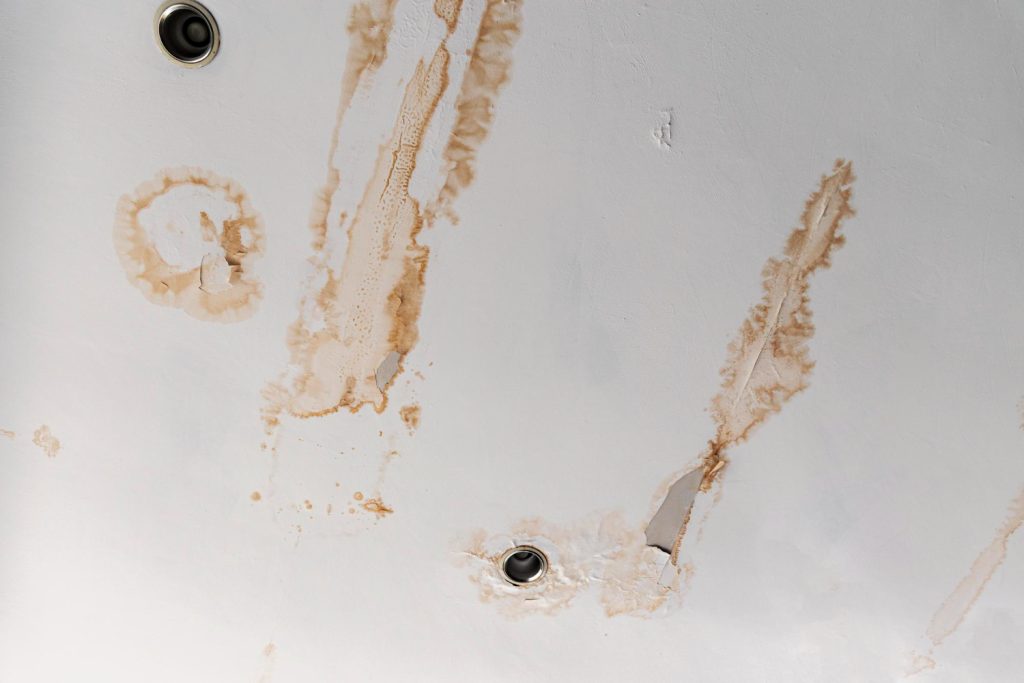
A flat roof can look fine from the ground while hiding concerns near drains, seams, flashing, or HVAC curbs. Heavy storms may leave behind debris, loosen edge materials, or push water into areas that were already wearing down. By the time a ceiling stain appears inside, water may have traveled farther than expected beneath the roof surface.
During a professional roof assessment, we look beyond the membrane itself. Our team evaluates the full roofing system, including places where water commonly finds a path indoors.
- Drainage around drains, scuppers, and low areas
- Flashing at walls, curbs, vents, and roof edges
- Membrane seams, punctures, blisters, and visible wear
- Rooftop debris and signs of ponding water
- Damage that may have followed recent wind or rain events
Early attention can help you make a clearer decision between a targeted repair and a larger replacement plan. It also gives you time to choose a system that fits the building instead of reacting after a leak interrupts your workday.
Understand TPO and Modified Bitumen Performance
TPO is a single-ply roofing membrane that usually comes in white or another light color. It is installed in wide sheets, and trained roofing crews heat weld the seams together. When those seams, flashings, and perimeter details are properly installed and maintained, TPO can create a continuous water-shedding surface for a low-slope roof.
Its light-colored surface is often appealing for buildings that receive strong sunlight for much of the day. A reflective roof surface may reduce how much heat the roof absorbs, which can be worth considering when we review the building’s insulation and overall roof design.
Modified bitumen is an asphalt-based roofing system installed in one or more layers. Depending on the selected system and the roof’s needs, sheets may be self-adhered, applied with cold-process adhesives, installed with hot asphalt, or placed through another approved method. The layered design can provide added redundancy, and it can be a practical choice for roofs that see regular maintenance traffic.
Neither material should be selected by name alone. For commercial flat roofing in St. Johns County, we also consider building height, wind-resistance needs, deck condition, drainage design, roof edges, and the number of penetrations through the roof.
Match The System To St. Johns Conditions
St. Johns roofs face bright sun, humidity, wind-driven rain, tropical weather, and sudden downpours. The end of hurricane season is a particularly useful time to check whether recent storms affected seams, edges, drains, or flashing. Even a small issue can become more noticeable when repeated rain keeps testing the same area.
TPO may be a strong fit when sun exposure is a major concern and the roof design supports a single-ply system. Still, the membrane is only one part of the job. We pay close attention to professionally welded seams, secure perimeter details, and compatible flashing around drains, HVAC equipment, vents, and parapet walls.
Modified bitumen may be a better match for a roof that needs a layered surface or receives frequent foot traffic from service crews. Its construction can be helpful around busy rooftop areas, but it still needs proper detailing and regular inspections.
No matter which system you choose, drainage deserves close attention. Standing water can reveal weaknesses around seams, flashing, and penetrations. It can also speed up wear over time. Before recommending a repair or replacement approach, we assess whether the roof slope, drains, scuppers, and insulation design are moving water as they should.
Balance Long-Term Value and Maintenance
A roof decision should account for more than the first scope of work. We encourage property owners to consider service life, repair options, maintenance needs, energy considerations, roof traffic, and weather exposure together. A system that does not address poor drainage, damaged insulation, or weak edge details may create repeat concerns later.
Several factors shape the work involved with either TPO or modified bitumen:
- Whether the existing roof must be removed
- The need for deck repairs or insulation replacement
- Membrane thickness or the number of installed plies
- The amount of rooftop equipment and other obstacles
- The complexity of flashing, edges, drains, and penetrations
A detailed proposal should explain these items clearly rather than reducing the project to a simple square-foot estimate. That way, you can see what work is being recommended and why it matters for your building.
Both systems also benefit from ongoing professional maintenance. We generally recommend inspections twice a year, along with an additional inspection after major storms. Keeping drains, scuppers, gutters, and equipment areas clear helps us spot punctures, seam concerns, ponding water, and deteriorating flashing before they lead to interior leaks or business disruptions.
Address Flat Roof Concerns Before Leaks Spread
Ceiling stains, loose flashing, membrane blisters, storm debris, ponding water, and unexplained changes in cooling performance all deserve professional attention. Small repairs can sometimes extend roof performance when they are handled before water reaches insulation, decking, or interior finishes.
TPO and modified bitumen can both perform reliably when the system is selected for the building, designed around drainage, installed correctly, and maintained over time. The practical next step is to base the decision on the roof’s present condition, how the roof is used, and how it stands up to Northeast Florida sun, rain, and wind.
Get a Clear Plan for Your Flat Roof
Interstate Roofing Jacksonville can assess your roof and recommend options that fit your property’s needs. Learn how we approach commercial flat roofing in St. Johns County, from repairs to replacement planning. For a professional evaluation, contact us to discuss your project.