Protect Your Home Before Freeze Damage Spreads
A Utah freeze can turn a small roofing concern into a much larger problem in a short time. As water freezes and thaws, it can widen cracks, loosen shingles, open gaps around flashing, and create ice buildup near roof edges. If moisture gets beneath the roofing materials, it may travel into attic spaces, insulation, ceilings, or walls before you see a clear sign indoors.
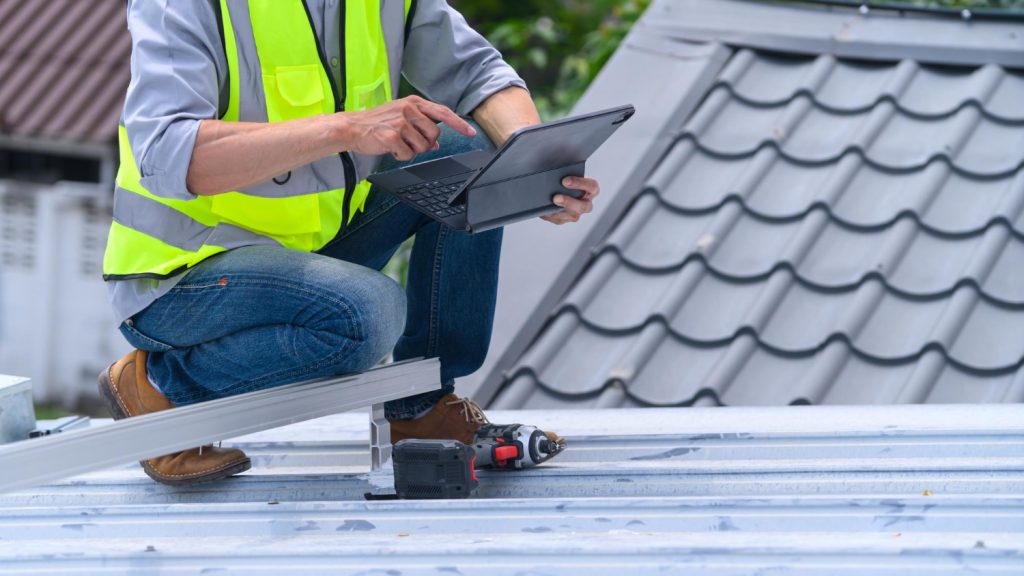
We at Interstate Roofing Midvale evaluate winter-related roof damage for residential and commercial properties in the Salt Lake City area. The right choice between repair and replacement depends on what the inspection reveals, including the roof’s age, the condition of its materials, and whether it can continue protecting your property through the rest of winter.
Signs Freeze Damage May Need a Focused Repair
Not every damaged roof needs to be replaced. When a problem is limited to one area and the rest of the roof remains in sound condition, a professional repair may help restore protection before snow and ice create additional trouble.
After a freeze, we often look for issues such as:
- Missing, cracked, or lifted shingles in a small section of the roof
- Loose flashing around chimneys, skylights, walls, and roof transitions
- Cracked pipe boots, exposed nail heads, or failing sealant around vents
- Ice dams or blocked gutters that push melting snow beneath shingles
Ice dams can be especially confusing because the visible roofing material may still look serviceable. When snow melts and then refreezes near the roof edge, water can back up beneath shingles and find its way inside. In those cases, the immediate concern may involve drainage, flashing, ventilation, or a damaged section of roofing rather than the entire roof system.
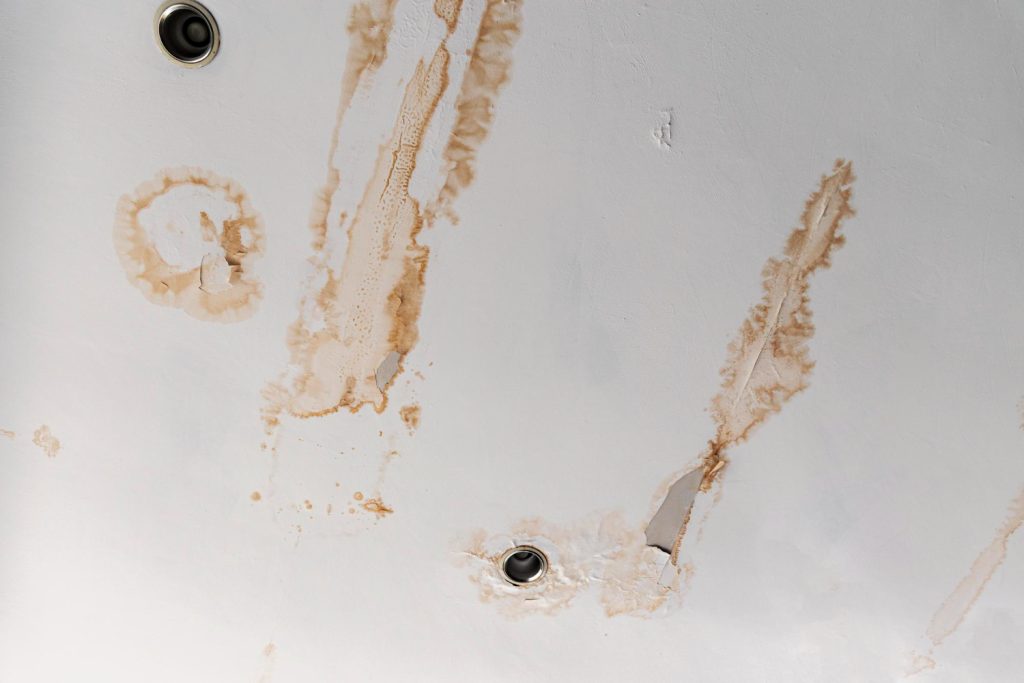
Prompt attention matters. Replacing affected shingles, securing flashing, resealing roof penetrations, and addressing drainage concerns can help stop active water intrusion. During an inspection, we also check beneath the surface when needed. A ceiling stain may look small, but water does not always enter directly above the stain. It can travel along decking, framing, or insulation before becoming visible inside.
When Replacement Is the More Dependable Choice
A repair can be a smart solution for localized damage, but it may only delay a larger problem when the roof is already worn throughout. Freezing temperatures often reveal weak spots that have been developing for some time, especially on older roofs with brittle shingles, worn seals, or declining protective layers.
Replacement may be the more responsible option when an inspection finds widespread concerns, including:
- Recurring leaks in different parts of the building
- Shingles that are curling, cracking, or losing protective granules across large areas
- Soft decking, sagging sections, or signs of trapped moisture
- Multiple past repairs that no longer provide dependable protection
- A roof nearing the end of its expected service life
A full replacement addresses more than the shingles you see from the ground. It gives us the opportunity to assess and replace the layers that work together to manage snow, ice, and moisture, including underlayment, flashing, and ventilation components. That broader approach can be especially helpful when winter weather has exposed concerns across the roofing system.
For property owners considering roof replacement in Cottonwood Heights, Utah, the goal is not simply to cover a leak. It is to determine whether the current roof can still provide reliable protection when snow loads, wind, and repeated temperature swings return. A newer roof may also support better attic airflow and give the property a cleaner, more finished appearance.
Compare Remaining Roof Life and Winter Readiness
The lowest short-term repair scope is not always the best long-term choice. If a roof has only a limited amount of reliable service life left, repeated patching can leave the building exposed when the next freeze, storm, or heavy snowfall arrives.
We recommend looking at the complete roofing system rather than judging the situation by one visible shingle or one ceiling stain. The roof’s winter readiness can be affected by:
- Attic ventilation and insulation conditions
- Gutters, downspouts, and drainage paths
- Flashing at roof edges, chimneys, and penetrations
- Decking condition beneath the outer roofing materials
- Areas where snow tends to collect or remain for longer periods
Local conditions also matter when weighing roof replacement in Cottonwood Heights, Utah. Properties near the foothills, in shaded locations, or in wind-exposed areas may deal with longer snow retention and more frequent ice dam concerns. An inspection helps us identify those site-specific conditions and recommend materials and installation methods that make sense for the building.
Before deciding between repair and replacement, ask for a clear explanation of the roof’s condition, the work being recommended, expected remaining roof life, warranty details, and the timing needed to protect the property. Understanding the full picture makes it easier to avoid treating a widespread problem as if it were a small isolated leak.
Plan Roofing Work Around Winter Conditions
Early November is a practical time to inspect a roof after the first freezes and before deeper winter weather limits access. Some repairs and replacements can be completed during colder conditions, but planning ahead gives you more options and helps prevent a small weakness from becoming an interior water problem.
Visible storm damage, ice buildup, peeling paint, damp attic insulation, and new ceiling stains all deserve professional attention. If weather conditions make a full replacement impractical right away, emergency leak repairs or temporary protection may still be appropriate while a larger plan is arranged. Commercial property owners should also have flat roof drains, scuppers, and membrane seams evaluated, since standing water can freeze and worsen existing weak areas.
Keeping gutters clear, monitoring attic moisture, and watching for changes inside the building can help you catch trouble early. The most useful next step is a professional inspection that separates a repairable winter issue from a roof system that no longer has the strength to handle another season of snow, ice, and thawing.
Get Clear Guidance for Your Next Roofing Decision
At Interstate Roofing Midvale, we assess the condition of your roof and explain whether targeted repairs or roof replacement in Cottonwood Heights, Utah is the more dependable choice. Our team can help you understand the work needed, the expected lifespan of your current roof, and the options available for your property. Contact us to schedule an evaluation and get answers tailored to your home.