Protect Your Home When Winter Winds Arrive
Windstorms can leave behind roof damage that is easy to miss from the ground. In Cheyenne, a few loose shingles, lifted flashing pieces, or a damaged vent can quickly turn into a leak when freezing temperatures, snow, and ice arrive.
Insurance claims can feel stressful when you are already worried about your home or business. The good news is that a clear record of the storm, a careful look at your policy, and professional roofing guidance can help you make informed choices. For insurance claim roofing in Cheyenne, the goal is to document the damage, protect the property from further harm, and understand the claim before permanent repairs begin.
Start with Safety and Capture Windstorm Evidence
Safety comes first after a major wind event. Staying off the roof is recommended, especially if it is wet, icy, covered in debris, or otherwise unstable. A roof can have hidden weak areas after wind damage, and climbing up for a closer look can put you at risk.
From the ground, look around the property for visible warning signs. You may notice:
- Missing, cracked, curled, or displaced shingles
- Bent gutters, loose downspouts, or damaged siding
- Fallen branches, roof debris, or pieces of flashing on the ground
- Exposed underlayment or damage around vents and roof edges
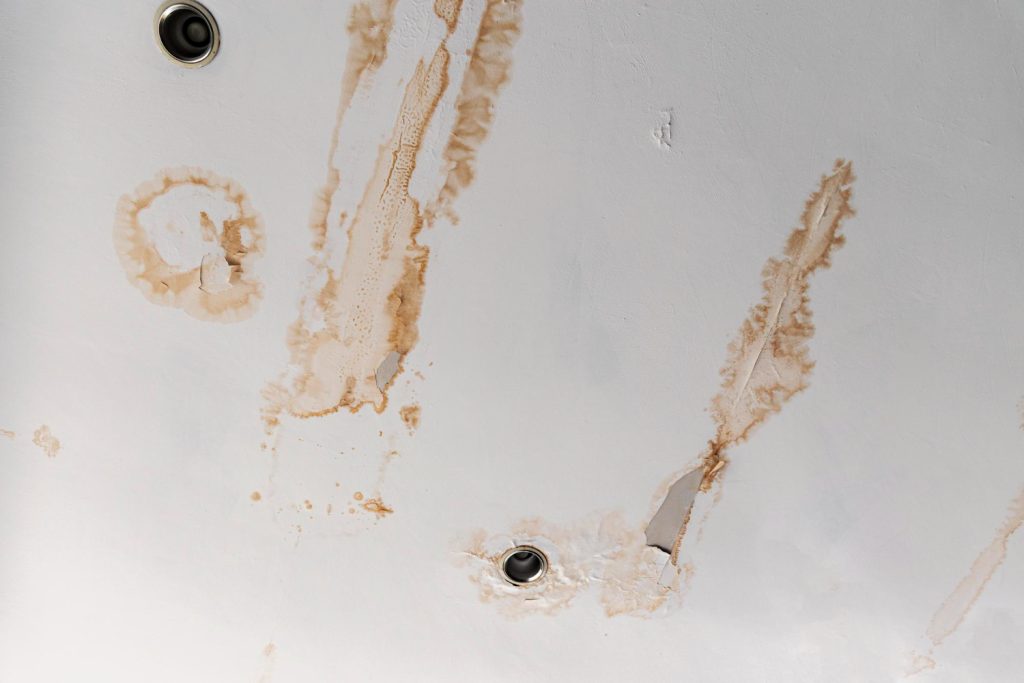
- Water spots on ceilings, walls, or attic areas
If water is entering the building, take reasonable steps to protect belongings and limit interior damage. Moving furniture, placing containers under active drips, or having a professional install temporary roof protection may be appropriate. Avoid permanent repairs before the damage is documented, unless immediate action is needed to prevent further loss.
Good documentation can make a big difference when you file a claim. Take clear photos and videos of visible roof damage, damaged interior areas, debris, and any personal property affected by water. Keep weather alerts when available, note the storm date, and write down when you first noticed a problem.
Save every record connected to the event. Keep invoices for emergency work, receipts for mitigation materials or services, and copies of emails or messages with your insurance company. A simple timeline can help keep details organized if the claim takes time to review.
Some wind damage is not visible from a driveway or sidewalk. Lifted shingle seals, loose flashing, punctures, weakened roof penetrations, and damaged membranes may require a closer professional inspection. Our roofing team can assess the roof’s condition and explain what we find, giving you a clearer understanding before an adjuster visit or repair decision.
Read Your Policy Before the Adjuster Arrives
Your policy is the starting point for any storm claim. Since coverage can vary from one policy to another, we recommend reviewing your declarations page and policy language before reporting damage. Look for details about wind coverage, deductibles, exclusions, depreciation, deadlines, and payment terms.
A deductible can affect whether filing a claim makes sense, particularly when the visible damage seems limited. Still, a small-looking issue can allow moisture into the roof system, so it is wise to understand the roof’s actual condition before deciding what to do next.
After you report the damage, the insurance company may send an adjuster to inspect the property and prepare an estimate for covered repairs. Have your storm photos, written timeline, inspection findings, and emergency mitigation records ready to share.
The adjuster represents the insurance carrier. We can provide independent roofing guidance so you understand the visible and hidden damage found during our inspection. That information can help you compare the adjuster’s scope of work with the condition of your roof.
Before accepting a settlement or signing any documents, take time to read the estimate carefully. Questions worth asking include:
- Does the estimate address all documented storm-related damage?
- Is depreciation included, and when may it be released?
- Are code-related requirements addressed in the scope of work?
- What happens if additional covered damage is found during repairs?
- Does the estimate explain payment timing and next steps?
Matching materials, nearby roof conditions, policy language, and code requirements can all affect the final scope. Insurance claim roofing in Cheyenne is not always limited to replacing the most obvious missing shingles, so careful review matters.
Keep Repairs Moving Before Winter Conditions Worsen
Once wind has opened a path for moisture, colder weather can make the problem worse. Water can enter beneath lifted shingles or around damaged flashing, then freeze and expand as temperatures drop. What begins as a small leak can become a larger roofing and interior concern after repeated freeze-thaw cycles.
A professional inspection helps determine whether temporary protection, a targeted repair, or roof replacement is the appropriate path. The right choice depends on the location and extent of the damage, as well as the overall condition of the roof.
Temporary measures may be needed while an insurance claim is under review. Depending on the situation, this can include covering exposed areas, sealing a minor opening, removing hazardous debris, or protecting the inside of the building from water intrusion. Document these steps with photos and receipts.
Temporary protection is only meant to reduce further damage. It does not replace permanent repairs when wind has affected shingles, flashing, vents, or other parts of the roofing system. Waiting too long can make it harder to separate the original storm damage from new damage caused by later weather.
Local experience matters when your roof must stand up to High Plains winds, snow, winter moisture, and changing temperatures. Our team can explain the storm-related conditions we find, recommend an appropriate repair or replacement plan, and help keep communication clear among you, your insurer, and the roofing team.
Schedule a Roofing Review Before the Next Storm
A roof does not always show its full condition right after a storm. If you suspect wind damage, it is wise to arrange a professional inspection, gather your records, and review your policy before small concerns become winter leaks or larger disputes. Clear photos, written notes, and temporary repair records can all help you stay organized during the claim process.
Before accepting a final settlement, make sure you understand the repair scope, depreciation terms, and whether all known storm damage has been addressed. Taking these steps early can help protect your property while you make decisions about repairs, replacement, and long-term weather protection.
Get Clear Guidance for Your Roof Repairs
Interstate Roofing Cheyenne can assess storm-related issues and provide documentation to support your next steps. For professional help with insurance claim roofing in Cheyenne, our team can evaluate your roof and explain practical repair options. Contact us to schedule an inspection.