Make a Confident Decision After Atlanta Roof Damage
Roof damage after a Metro Atlanta storm can feel urgent, especially when you spot a leak, loose shingles, or a branch on the roof. Still, filing an insurance claim should not always be your first move. We recommend learning what was damaged, reviewing your policy, and considering your deductible before you report a loss.
Severe thunderstorms, hail, falling branches, wind-driven rain, and debris buildup can all affect local roofs. In early November, heavier rain, gusty fronts, and piles of wet leaves may reveal problems that began during spring or summer storms. A professional inspection helps us separate visible storm-related damage from aging materials, normal wear, or maintenance concerns.
Start with a Professional Roof Damage Assessment
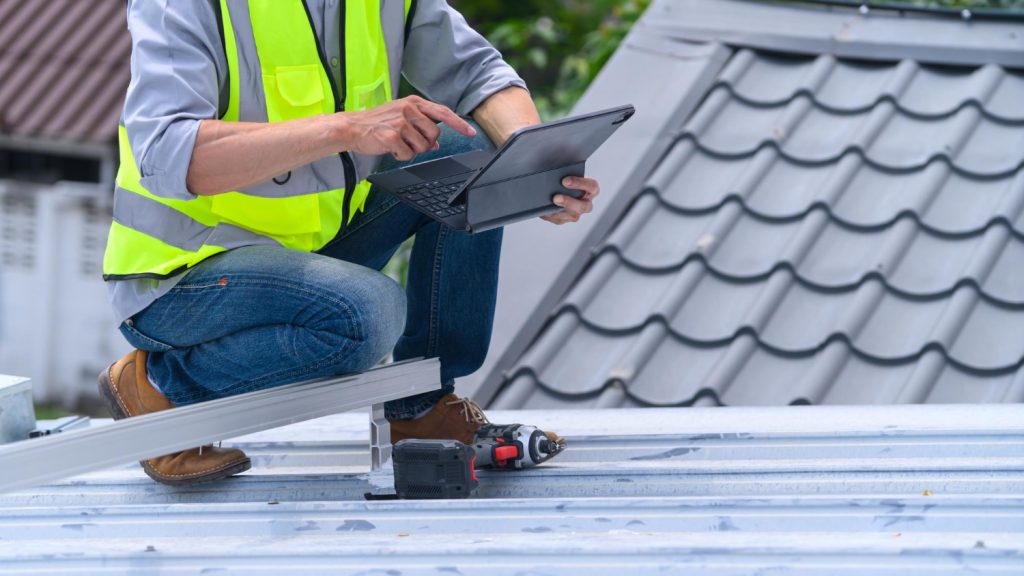
Before filing an insurance claim for roofing damage in Atlanta, it helps to know what is actually happening on your roof. From the ground, storm damage can be easy to miss. A few missing shingles may be visible, while lifted materials, damaged flashing, punctures, or moisture entry points may be hidden in less obvious areas.
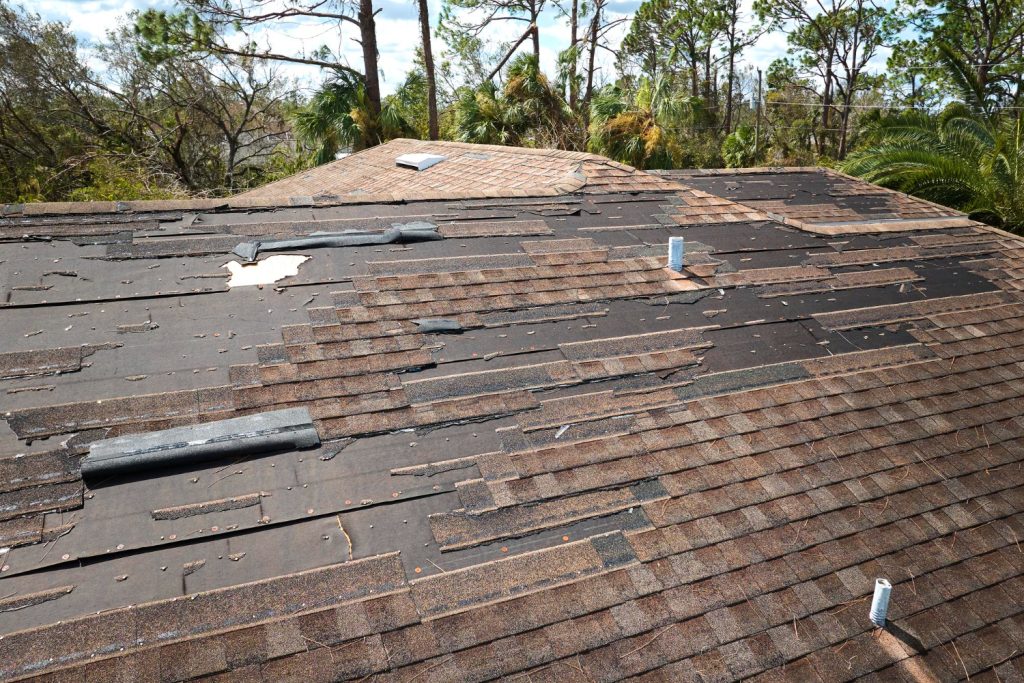
During a professional inspection, we look for damage patterns that may be tied to a weather event, including:
- Lifted, torn, cracked, or missing shingles
- Hail bruising, granule loss, and exposed roofing areas
- Damaged flashing around vents, chimneys, skylights, and edges
- Torn membranes on commercial roofing systems
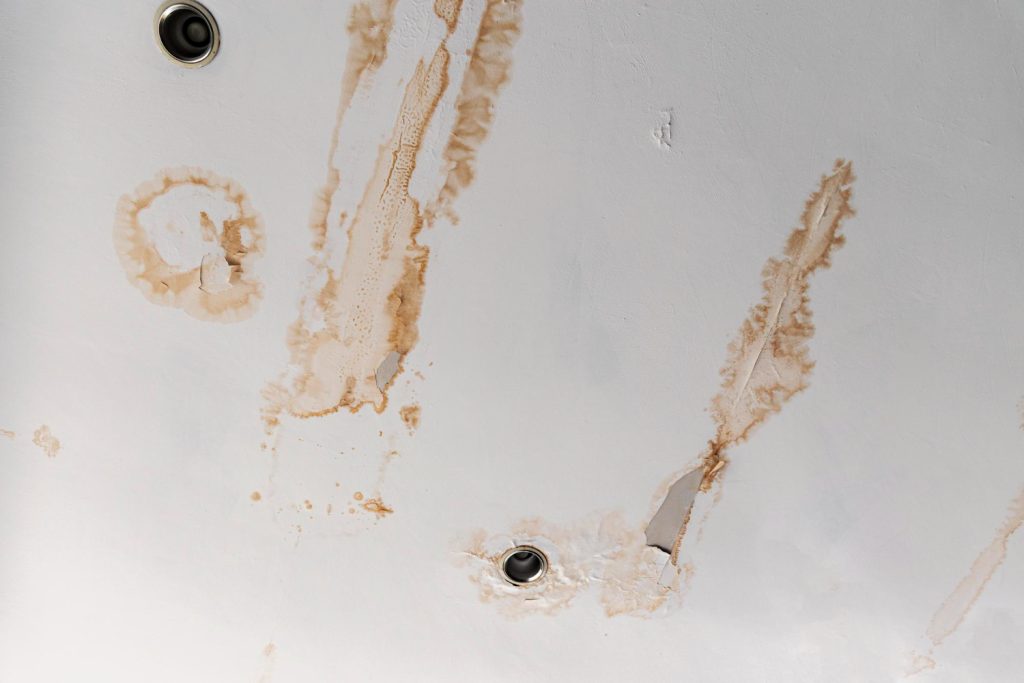
- Water stains, wet insulation, or signs of interior moisture
Insurance coverage often depends on the cause of the damage. A policy may cover qualifying damage tied to a specific covered event, while long-term deterioration, improper installation, old materials, deferred maintenance, or gradual leaks may not be covered. Our findings cannot determine coverage, but clear documentation can help you understand whether the condition appears consistent with recent storm activity.
As soon as it is safe, document what you can see. Take date-stamped photos of roof materials on the ground, fallen limbs, damaged gutters, ceiling stains, wet insulation, and affected belongings. Keep receipts for emergency protection measures, such as tarping or temporary leak control, if your policy allows them. Good records can be useful whether you file a claim or choose to make repairs directly.
Compare Repairs, Deductibles, and Claim Risks
A roof concern does not always mean a claim is the best financial choice. Your deductible is the amount you are responsible for before insurance benefits may apply. If the needed repair is close to or below that amount, filing may not make practical sense.
An inspection and written estimate give you a clearer comparison based on the scope of damage. Rather than guessing from a stain on the ceiling or a few loose shingles, you can make a decision with a better understanding of the work involved.
It is also wise to think beyond the immediate repair. Every carrier and policy handles claims differently, but smaller or non-covered claims may affect your claims history, future premiums, or renewal options. We encourage you not to assume that every roof issue needs to be submitted to insurance.
A claim may be more reasonable when the damage is widespread or involves major parts of the roofing system. Situations that may call for a closer review include:
- Hail impact across broad areas of the roof
- Significant wind damage or widespread missing materials
- A large tree strike or heavy debris impact
- Active water intrusion affecting interior spaces
- Damage to several roof components after one storm
When repairs or replacement appear to substantially exceed the deductible, an insurance claim for roofing damage in Atlanta may be worth considering. We can provide inspection findings and a recommended scope of work, while your insurance carrier decides what the policy covers.
Know What Happens After You File a Claim
Once you file a claim, your carrier typically assigns an adjuster to review the reported loss. The adjuster may inspect the property, look at the reported storm damage, and determine whether the policy provides coverage. Because the process can involve several steps, keeping organized records is helpful.
Store copies of your claim number, emails, photos, inspection reports, estimates, and receipts in one place. If the roof has been temporarily protected, include records showing what was done and when. These details help show the condition of the property and the steps taken to prevent more damage.
Our documentation can describe affected roofing materials, visible storm-related damage patterns, water entry concerns, and the work needed to restore the roof. This gives you a clear record of what we observed during the inspection. It can also help ensure visible damage is not overlooked during the review process.
Waiting for an adjuster should not mean ignoring an active leak. Water can continue to affect insulation, ceilings, walls, and other building materials. Reasonable mitigation, such as professional tarping or debris removal, may help limit additional damage. Review your policy requirements and keep records of any protective work completed.
Schedule a Roof Inspection Before Your Next Move
A thorough inspection is often the clearest starting point after severe weather. Whether you own a home or commercial property, we can assess visible concerns and help you understand the difference between repairable storm damage, normal aging, and conditions that may need more extensive attention. We serve property owners throughout Metro Atlanta, including Fulton, Cobb, DeKalb, and Gwinnett counties.
Before winter rain and colder conditions arrive, do not ignore a new leak, missing shingles, damaged flashing, or storm debris on the roof. A timely professional assessment gives you the information needed to protect the property, document its condition, and decide whether an insurance claim is appropriate.
Get Clear Guidance for Your Next Roofing Decision
At Interstate Roofing Alpharetta, we help property owners understand their options and prepare for the next steps with confidence. Get professional support for insurance claim roofing in Atlanta when your commercial roof needs experienced attention. To discuss your property’s needs, contact us today.