Stop Hidden Leaks at Adobe-Style Roof Transitions
Adobe-style roof transitions need more protection than a quick look from the ground can provide. Parapet walls, flat or low-slope roof areas, stucco finishes, and stepped elevations give Albuquerque properties their distinctive look, but they also create joints where water can collect or slip inside.
We pay close attention to these areas because New Mexico weather can be hard on roofing details. Monsoon rain and wind can force water toward walls, while strong sun, temperature swings, and winter freezes can wear down sealants, flashing, and drainage parts. Proper layers, dependable drainage, and routine inspections help protect against water stains, mold, damaged framing, and other costly moisture problems.
Why Adobe-Style Roof Transitions Fail More Often
A transition is any point where one roof surface meets another surface. On adobe-style homes and commercial buildings, these connections often include parapet-to-roof joints, wall intersections, raised roof sections, scuppers, penetrations near walls, and places where a flat roof meets a pitched section.
Water does not always enter through an obvious hole. It may travel behind stucco, beneath a membrane edge, or along a poorly overlapped flashing piece before reaching the interior. Caulk may help seal a small exposed gap, but it cannot replace a correctly installed flashing system that sheds water outward.
We often find early warning signs in aging materials, including:
- Cracked roof coatings or brittle membrane edges
- Loose coping along parapet walls
- Deteriorated mortar or failed sealant joints
- Punctured or separated flashing
- Stained stucco near roof-to-wall connections
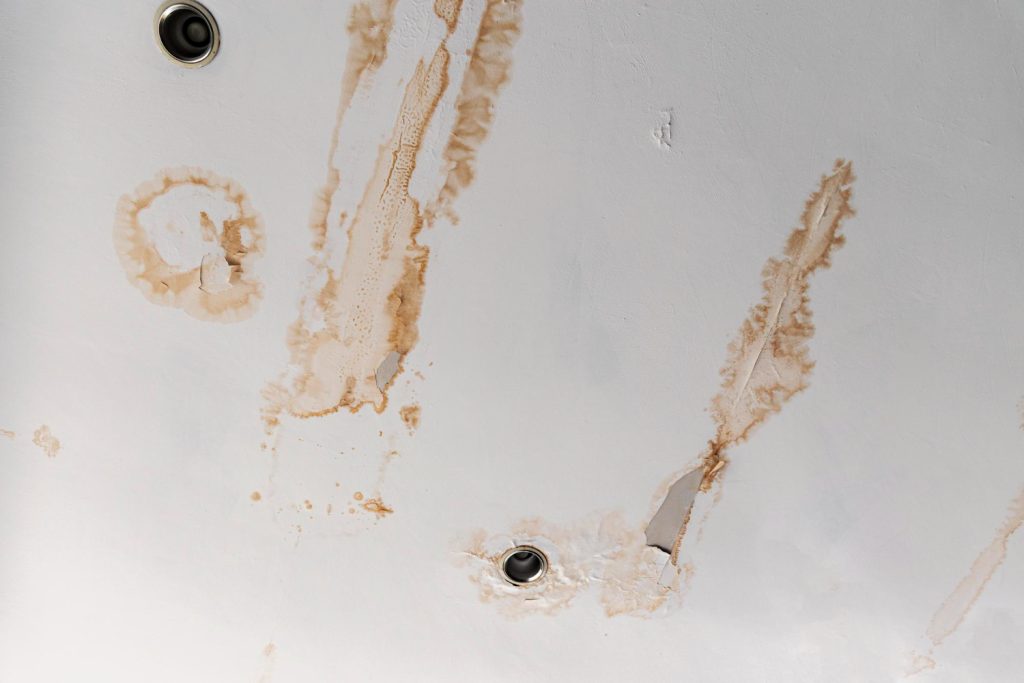
By the time a ceiling stain appears, moisture may have already been working through vulnerable layers for some time.
Flashing Details That Keep Transition Joints Dry
Long-lasting leak protection depends on layers that work together. Rather than relying on a surface seal alone, we evaluate how water moves across the roof and where it needs to exit. Depending on the roof assembly, protection may include base flashing, counterflashing, membrane transition details, termination bars, secured metal components, and compatible sealants.
Material compatibility matters in Albuquerque’s dry, high-UV conditions. A roofing membrane, metal flashing, stucco finish, coating, and sealant must be suited to work together. When materials expand, shrink, crack, corrode, or lose adhesion at different rates, a small separation can become a path for water.
Trained installation makes a real difference at these joints. Roofing professionals assess the complete roof assembly, not just the visible gap. The goal is to direct water away from the wall and roofing layers instead of trapping it behind finishes where it can cause hidden damage.
Drainage Design Prevents Water From Backing Up
Even low-slope adobe-style roofs need a clear drainage plan. Scuppers, internal drains, crickets, tapered insulation, and carefully planned slope can guide water away from parapets and elevation changes. Without reliable drainage, water may sit against transition details longer than the roof was designed to handle.
Ponding water puts added stress on seams and coatings. It can also expose small flaws in flashing that might not leak during a short, light rain. When water backs up near a parapet or roof level change, it has more time to find weak points.
Before seasonal storms, we recommend having these areas checked for blockages:
- Scuppers filled with leaves or windblown debris
- Internal drains blocked by roof granules or nesting materials
- Low spots where water remains after rainfall
- Damaged crickets that no longer guide water properly
- Loose material collecting near wall intersections
Summer monsoon storms can move in quickly, so a blocked drainage path may become a serious issue in a short period.
Fall Inspections Help Protect Roof Transitions Before Winter
Fall is a smart time to inspect adobe roof transitions after monsoon season and before colder nights and winter precipitation add more stress. Sun exposure and storm activity may leave behind damage that is easy to miss without a close roof inspection.
Pay attention to peeling sealant, rusted flashing, stained stucco, bubbling roof coatings, soft areas near walls, clogged scuppers, interior stains, or musty odors near ceiling corners. These signs do not always mean a major roof failure, but they do deserve prompt professional attention.
We help Albuquerque property owners assess roof conditions, storm damage, repairs, replacements, and leak-prone transition details. A trained inspection can identify small failures before moisture spreads into insulation, walls, or structural materials.
Address Small Transition Problems Before They Spread
Adobe roof transitions need more than fresh sealant applied over an old joint. Lasting protection comes from correctly layered flashing, sound roofing materials, drainage that moves water away, and regular professional review of areas that face the most weather exposure.
When you notice drainage trouble, aging roof materials, storm damage, or signs of water intrusion, acting early can limit the damage. Keeping transition joints dry helps protect the roof, the stucco finish, and the interior spaces beneath them.
Protect Vulnerable Roof Transition Areas
At Interstate Roofing Albuquerque, we provide practical solutions for adobe roof transitions that need dependable moisture protection. Our team can assess vulnerable details and recommend repairs or improvements suited to your roof’s design. Contact us to discuss your roofing needs with our team.