Protect Your Clearwater Home Before Small Leaks Spread
Hurricane damage is not always easy to spot from the ground. A roof can look mostly normal after a storm while loose shingles, lifted flashing, punctures, or trapped moisture are already creating a path for water.
In Clearwater, wind-driven rain, salt air, and flying debris can put extra strain on every part of a roof. We recommend a prompt professional check after a hurricane because a small problem can grow into interior water damage, mold growth, or damage to the roof structure during later fall rain and wind events.
Spot Hurricane Damage That Calls for Prompt Repair
Some storm damage is visible from a safe spot on the ground. Other signs show up inside your home first. Either way, a roof does not need a dramatic hole to need attention. One lifted shingle or a loose piece of flashing can let rain reach the layers below.
After a hurricane, we often look for warning signs such as:
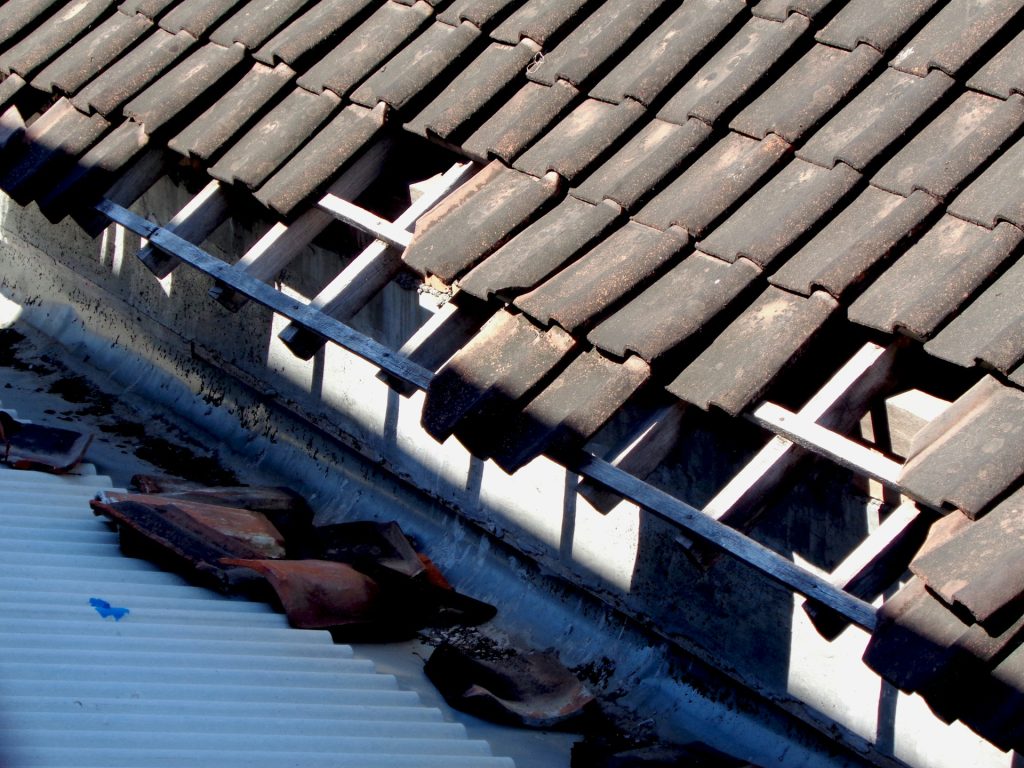
• Missing, cracked, curled, or lifted shingles
• Exposed nail heads, damaged ridge caps, or loose flashing
• Dented vents and debris impact marks
• Shingle pieces, roofing material, or branches around the property
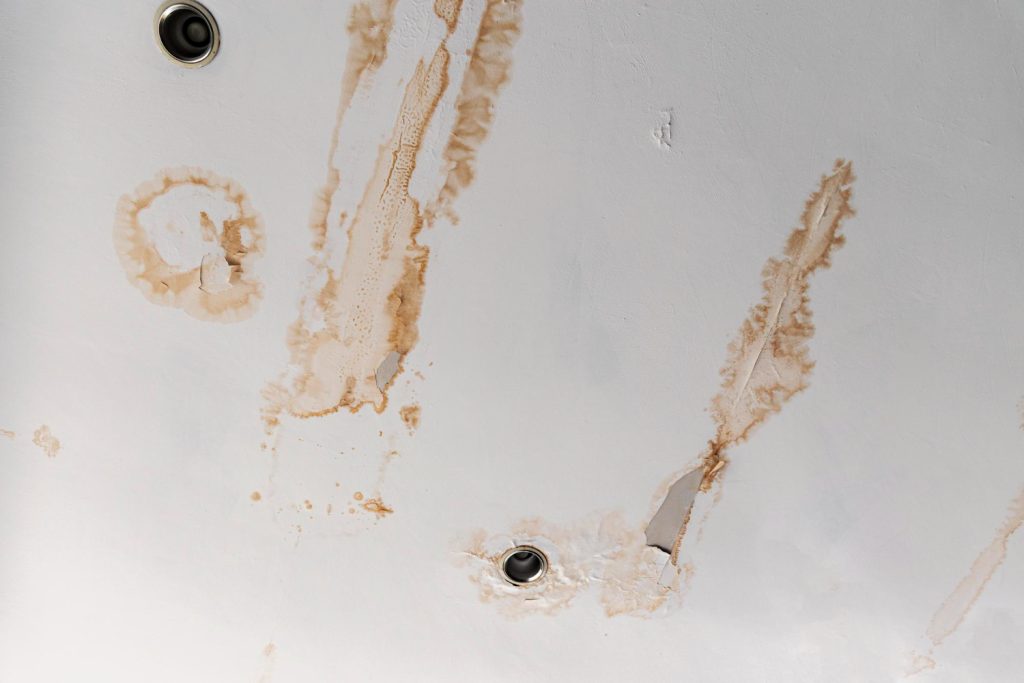
• Ceiling stains, peeling paint, musty odors, or damp attic insulation
Daylight visible through the roof deck is another serious clue that water and wind may have compromised the roof. A damp attic or wet insulation can also point to an issue before a stain appears on the ceiling below.
For hurricane roof damage repair in Clearwater, fast attention matters. Even a small leak can worsen when another rainstorm moves through. We encourage you to take clear photos from a safe location, including any debris on the ground and visible interior damage. Avoid climbing onto the roof or trying to move loose materials yourself. Storm-damaged roofing can be unstable, and a professional inspection is the safer way to find the full extent of the problem.
Know When Repairs Can Restore Your Roof
Repair is often a good option when damage is limited to one defined area. If a storm removed a few shingles, bent a small section of flashing, caused an isolated leak, or left a minor puncture, a targeted repair may restore the roof’s protection without replacing the full system.
Still, the visible damage is only part of the picture. When we assess a roof, we look beyond the missing shingle or stained ceiling area. The repair should address the source of water intrusion, not simply cover the symptom. That includes checking nearby shingles, flashing, underlayment, roof edges, vents, and the surrounding deck.
Material matching also matters. A repair should fit with the existing roof as closely as possible while protecting the affected area from future rain and wind. An uneven or poorly sealed patch may leave your roof vulnerable again.
Choosing qualified help for hurricane roof damage repair in Clearwater can make a meaningful difference. We understand the types of wind and rain exposure local roofs face, as well as the common weak points storms can reveal. Timely repairs can help preserve your roof’s remaining service life, maintain its appearance, and prevent a limited storm issue from turning into a larger restoration project.
Recognize When Replacement Is the Safer Choice
Not every hurricane-damaged roof is a strong candidate for repair. When damage reaches several areas of the roof or affects the layers beneath the shingles, replacement may offer more reliable protection than repeated patching.
Replacement may be worth considering when an inspection finds:
• Widespread shingle loss or wind uplift across multiple roof slopes
• Repeated leaks in different rooms or areas of the home
• Major damage to the roof deck
• Worn materials on an older roof near the end of its expected service life
• Problems involving underlayment, ventilation, flashing, or drainage components
Roof age plays a large part in this decision. A newer roof with one damaged section may respond well to a focused repair. On the other hand, an older roof with storm damage in several places may continue to develop leaks after each repair. In that situation, replacement can be the more dependable path for protecting the home.
A professional inspection helps separate isolated damage from system-wide concerns. We examine how the roof components work together, including the deck, underlayment, flashing, ventilation, and drainage paths. Hurricane roof damage repair in Clearwater should come with a clear explanation of what a repair can reasonably accomplish and whether a replacement would provide better long-term storm readiness.
Avoid Delays That Can Increase Storm Damage Costs
Waiting for a leak to become obvious can allow water to spread through hidden roof layers. Moisture may travel along the deck or insulation before it reaches a ceiling, which means the first indoor stain may not sit directly beneath the damaged area.
After a major wind event, we recommend arranging an inspection even if you do not see immediate signs of trouble. This is especially helpful during hurricane season and in the weeks after late-season storms, when additional rain can expose weakened shingles, seals, and flashing.
Good records can also make the next steps clearer. Keep photos of visible damage, notes about when the storm occurred, and records of any temporary protection or repairs. Review your insurance policy’s reporting requirements early, since waiting too long can create unnecessary stress when you are trying to sort out storm-related damage.
Temporary protection may be needed while a permanent repair plan is being developed. Emergency tarping and other professional leak-mitigation steps can help limit additional water entry, but they are not a substitute for a full assessment and proper repair.
Schedule a Roof Assessment Before the Next Storm
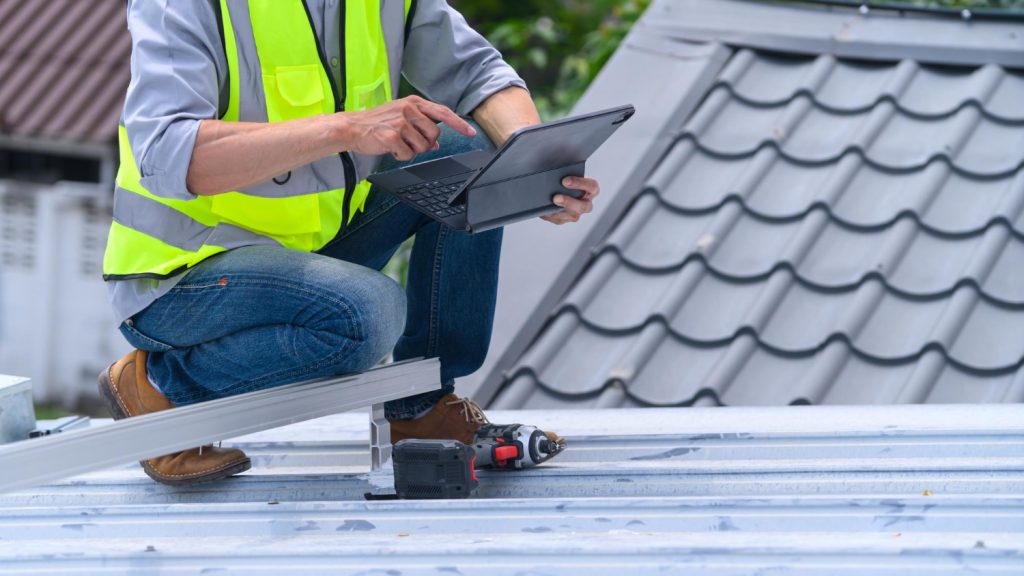
A trained roofing team can identify damage that is easy to miss from the ground, including loose materials, hidden moisture, and weakened areas around flashing or roof penetrations. An assessment can also help determine whether a focused repair will restore protection or whether the roof has broader damage that calls for replacement.
The practical takeaway is simple: do not wait for water stains or a larger leak to tell you there is a problem. Checking a hurricane-exposed roof soon after the storm gives you a clearer path to protect your home before the next round of wind and rain.
Restore Your Roof With Confidence
Interstate Roofing Tampa can assess the condition of your roof and recommend the right next steps for lasting protection. For dependable hurricane roof damage repair in Clearwater, our team is ready to address storm-related concerns with practical solutions. Contact us to request an inspection and discuss your repair needs.