Protect Your Roof Before Winter Weather Arrives
Asphalt shingles in Fountain can face a lot in late fall and winter. Cold nights, sunny afternoons, wind, and snow can all show up within a short time. Those fast temperature shifts may expose small roof problems that were easy to miss during warmer weather.
Water is often the troublemaker. When moisture enters a crack, lifted shingle edge, or worn sealant point, it can freeze after temperatures drop. Frozen water expands, which may make the opening larger. After several freeze-thaw cycles, a minor issue can turn into a leak, damaged materials, or water stains inside.
Before heavier winter weather settles in, we recommend having the full roofing system evaluated. The age and condition of the shingles matter, but so do drainage, flashing, attic airflow, and the roof’s exposure to sun, wind, and snow.
How Freeze-Thaw Cycles Stress Shingles
Freeze-thaw damage starts when snow or ice melts during a warmer part of the day. Melted water can travel beneath damaged shingles or reach weak points around vents, flashing, nail holes, valleys, and roof transitions. Once temperatures fall below freezing again, the trapped water expands and puts pressure on those areas.
Over time, that repeated movement can contribute to shingles that crack, curl, loosen, or blow away. Older shingles are often at greater risk because they may be less flexible and may have lost some of their protective granules. Granules help shield shingles from sun and weather exposure, so widespread loss can leave the roof more vulnerable.
Ice dams can create another concern. When snow melts higher on the roof and refreezes near the colder edges, ice may hold water back behind it. That standing water can work beneath the shingle layer if conditions allow. Problems with insulation, ventilation, or clogged gutters can make uneven snowmelt and ice buildup more likely.
Fountain weather can change quickly, so it helps to keep an eye on your roof throughout the colder months. Bright sun may melt snow during the day, while overnight temperatures can refreeze that moisture before it drains away.
Warning Signs Your Roof Needs Attention
You can spot some roofing concerns from the ground, and we encourage you to keep it that way. Walking on a roof during icy, wet, or snowy conditions can be unsafe and may damage brittle shingles. Instead, look for visible changes from a safe location and watch for signs inside your property.
Common exterior warning signs include:
- Missing, cracked, curled, or lifted shingles
- Exposed nail heads or loose ridge caps
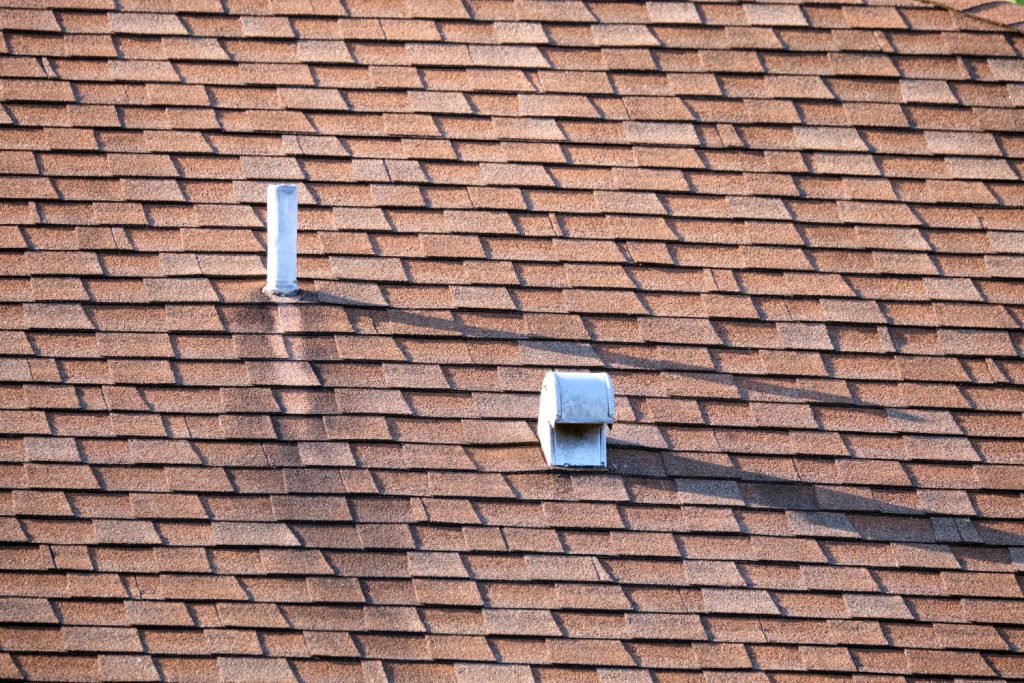
- Damaged flashing near chimneys, vents, or skylights
- Granules gathering in gutters or at downspout exits
- Sagging areas, loose materials, or shingles scattered around the property
Granule loss deserves attention because it can reduce a shingle’s ability to handle UV exposure and everyday weathering. A few loose granules may not always mean a major problem, but heavy or repeated buildup can point to wear.
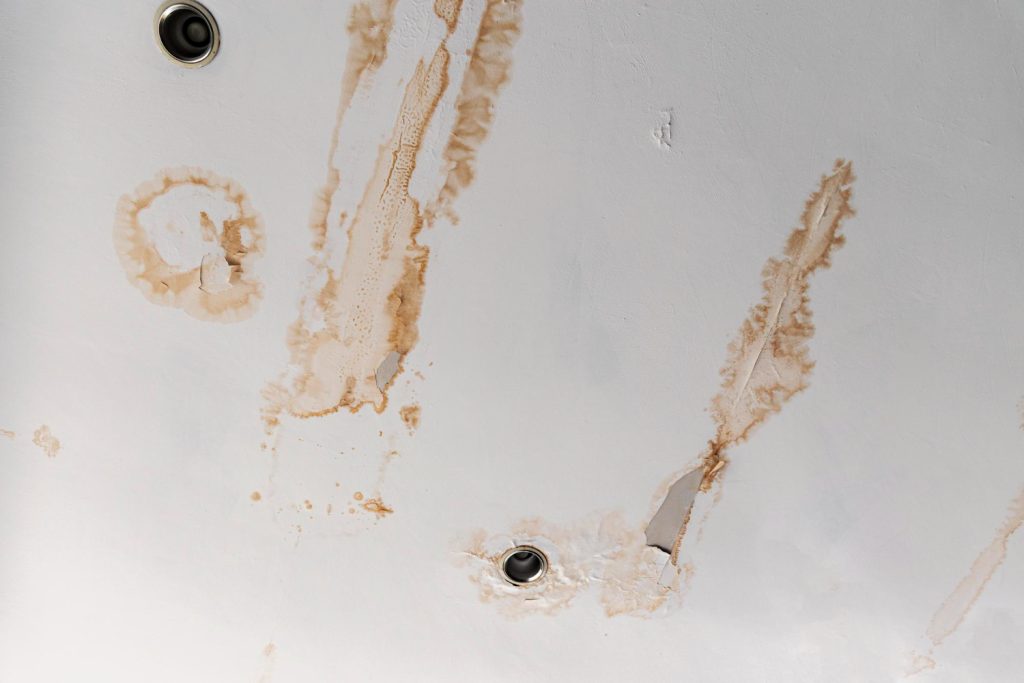
Inside, moisture often gives the first warning. Check your attic and upper rooms for ceiling stains, peeling paint, damp insulation, musty smells, or visible daylight where it should not be. Even a small leak can become more serious when snow melts, water moves into an opening, and freezing temperatures return.
After a major windstorm, hail event, heavy snowfall, or sharp temperature swings, a professional inspection can reveal issues that are not obvious from the ground. We look closely at vulnerable areas, including valleys, penetrations, flashing, skylights, chimneys, and transitions between roof sections.
Steps That Limit Winter Shingle Damage
Good drainage helps protect asphalt shingles in Fountain when snow begins to melt. Gutters and downspouts should be cleared before persistent freezing weather arrives, so water has a path away from the roofline. When drainage is blocked, meltwater may pool, freeze, and place extra stress along eaves.
It also pays to address small roof repairs before conditions get harsher. A damaged shingle, loose flashing section, worn seal around a vent, or small active leak may seem manageable now, but winter moisture can make each issue spread.
We recommend focusing on these professional maintenance priorities:
- Have damaged shingles and loose flashing repaired promptly
- Keep gutters and downspouts clear for proper runoff
- Ask for an attic ventilation and insulation assessment
- Watch for recurring ice buildup along roof edges
- Arrange an inspection after severe weather passes
Balanced attic airflow and adequate insulation can help manage uneven roof temperatures. That matters because warm areas of the roof can melt snow while colder edges refreeze it. A roofing professional can assess how the roofing system, ventilation, and drainage are working together.
Avoid chipping ice directly off shingles or applying harsh chemicals to the roof. Those actions can harm roofing materials and create more problems than they solve. Snow and ice concerns are safer to evaluate with experienced roofing guidance.
When Repairs May No Longer Be Enough
Not every freeze-thaw issue means you need a roof replacement. In many cases, a timely repair can restore protection around a limited problem area. Still, repeated patches may not be the best answer when wear is widespread or the roof has ongoing moisture trouble.
A professional assessment may point toward replacement when shingles are brittle across large sections, granule loss is heavy, or many shingles are missing, cracked, or curled. Multiple active leaks, recurring ice-dam concerns, extensive storm damage, and damage to underlying decking or moisture barriers can also signal that the roof needs more than isolated repairs.
A replacement plan can address the full system, not just the visible shingles. We can assess flashing, underlayment, ventilation, and drainage alongside the shingle surface, which helps identify why problems started and what support the roof needs moving forward. Interstate Roofing Colorado Springs provides residential and commercial inspections, repairs, replacements, storm-damage assistance, and flat-roof solutions for Colorado property owners.
Keep Your Roof Ready for Changing Weather
Freeze-thaw weather does not have to catch you off guard. Paying attention to drainage, shingle condition, attic moisture, and visible storm damage can help you act before a small weakness becomes interior water damage.
The best protection comes from treating the roof as a complete system. Sound shingles, secure flashing, proper drainage, and balanced ventilation all work together to help your property handle snowmelt, overnight freezing, wind, and changing temperatures.
Get Clear Answers About Your Shingle Condition
If you have noticed curling, granule loss, or recurring leaks, our team can assess whether your asphalt shingles in Fountain need repair or replacement. Interstate Roofing Colorado Springs provides straightforward recommendations based on your roof’s condition and your property’s needs. Contact us to discuss your roofing concerns and request an inspection.