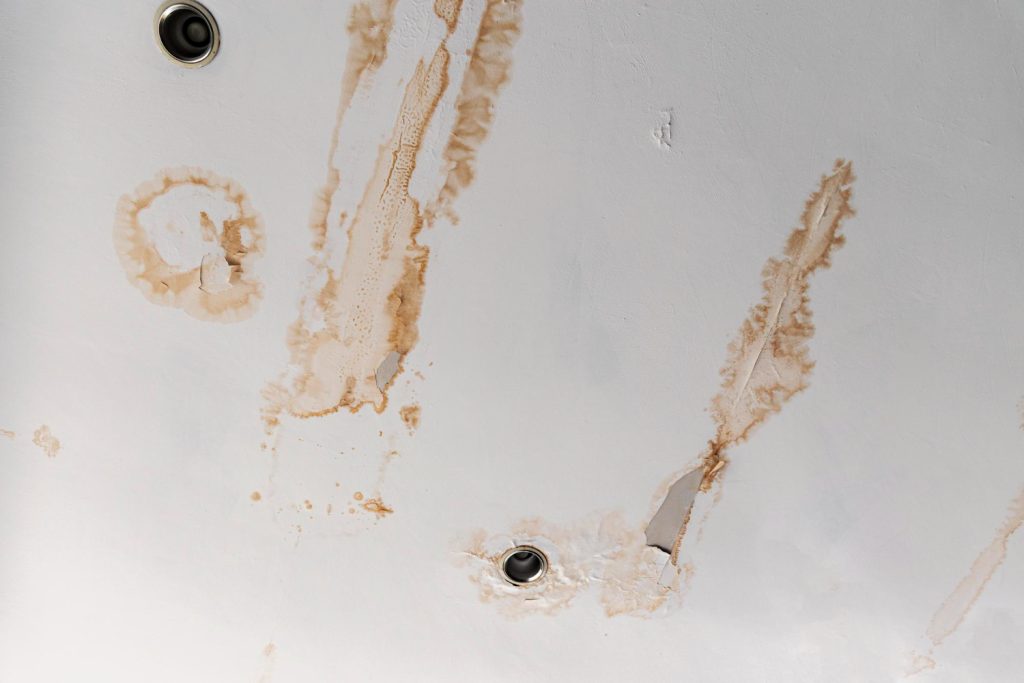
See Small Roof Gaps Before They Become Costly Leaks
Daylight in an attic is not always harmless. Light coming through a properly installed gable vent, soffit vent, or ridge vent can be normal, but an unexplained beam shining through the roof area may point to a gap that needs attention.
We often recommend looking up when you are in the attic for seasonal storage or while getting your Wichita home ready for cooler October weather. Catching attic daylight gaps early can help prevent a small opening from becoming a path for rain, wind, snow, and freezing air. Knowing what is normal and what is not helps you decide when a professional roof inspection is needed.
Attic Daylight Gaps Can Signal Larger Roof Problems
A small spot of light can mean there is a break somewhere in the roof’s protective layers. The visible opening may come from missing or lifted shingles, cracked flashing, damaged roof decking, separated trim, or storm damage that is difficult to see from the ground.
Even a pinhole of daylight deserves attention. Wind-driven rain can enter through tiny gaps and reach insulation, wood framing, and ceiling materials. Over time, we may find signs such as damp insulation, stained drywall, wood rot, or mold growth. Wet insulation can also lose some of its ability to help keep indoor temperatures comfortable.
The light you see may not show the full size of the problem. A narrow beam can come from a larger opening on the outside of the roof, especially when shingles have shifted or flashing has pulled loose during strong Kansas winds. Light follows a path, so its source may be farther away than it first appears.
Where Hidden Roof Gaps Commonly Begin
Roof openings often form where different materials meet or where something passes through the roof. These areas need careful sealing because they handle water differently than a broad, flat section of shingles.
We commonly inspect areas such as:
- Roof valleys, where two roof slopes meet
- Chimney flashing and trim around masonry
- Skylight edges and surrounding flashing
- Plumbing vent pipes, attic fans, and other roof penetrations
- Ridge caps, dormers, and places where roofing meets a wall
Storms can make these trouble spots worse. High winds may loosen shingles or ridge caps. Hail can crack or weaken roofing materials, while flying debris can damage flashing or puncture roof components. Wichita’s spring and summer storms may leave behind issues that are easier to notice later in fall, when you spend more time checking the attic or preparing for colder weather.
Not every bit of attic light means roof damage. A screened gable vent or soffit intake is designed to bring outdoor air into the attic, and it may allow daylight to show through. Light through roof decking, near flashing, around a vent pipe, or beside a chimney is different. We recommend having those areas evaluated by a qualified roofing professional rather than assuming they are part of the ventilation system.
How Attic Daylight Gaps Affect Kansas Homes
Kansas weather can turn a small roof gap into a larger concern. Wind-driven rain does not always fall straight down, and strong gusts can push water beneath roofing materials. Rapid temperature changes, winter freezes, and occasional snow can also expose weak spots that seemed minor during dry weather.
Attic daylight gaps can affect comfort as well as moisture protection. When openings allow outside air into the attic, conditioned indoor air may escape more easily. That can make a home harder to heat during colder Wichita months. If moisture damages insulation, the problem may continue even after the roof opening is repaired.
Before winter weather settles in, an inspection can help identify storm-related weaknesses that are not visible from the yard. We look for signs that shingles have loosened, flashing has failed, or roofing materials have been damaged by wind or impact. Addressing concerns before freezing temperatures arrive can limit the chance of moisture spreading into other parts of the home.
What to Note Before a Professional Inspection
It is best not to climb onto the roof or walk across attic framing to investigate a beam of light. Attics may contain electrical hazards, exposed nails, weak decking, and areas where one wrong step can damage the ceiling below. A roof surface can also be unsafe, especially after rain, wind, or frost.
From a safe position, you can make a few useful observations for our team:
- Note where the light appears in relation to a chimney, vent, ridge, or exterior wall
- Look for water stains on framing or ceilings near the area
- Watch for damp, compressed, or discolored insulation
- Consider whether the light appeared after a recent wind, hail, or debris event
- Take note of any indoor signs, such as new ceiling stains or musty odors
These details can help us narrow down where the opening may be coming from. Still, the exact source is not always obvious from inside the attic. A complete inspection may reveal that the problem began at flashing, under shifted shingles, or in another nearby roof component.
Protect Your Home with a Professional Roof Inspection
Attic daylight gaps are early warning signs worth taking seriously, even when there is no active leak. We can inspect the roof system, identify whether aging materials or storm damage are involved, and explain what the visible light is telling you about the condition of the roof.
The practical takeaway is simple: expected light through ventilation is one thing, but light coming through the roof structure or around roof features should not be ignored. Noting the location and any nearby moisture signs, then having the area professionally inspected, can help protect your home before weather turns a small gap into interior damage.
Get Clear Answers About Your Roof
At Interstate Roofing Wichita, our team can assess attic daylight gaps and identify the roofing conditions that need attention. We provide a thorough evaluation and clear recommendations tailored to your home. When you are ready to discuss your concerns, contact us to schedule an inspection.