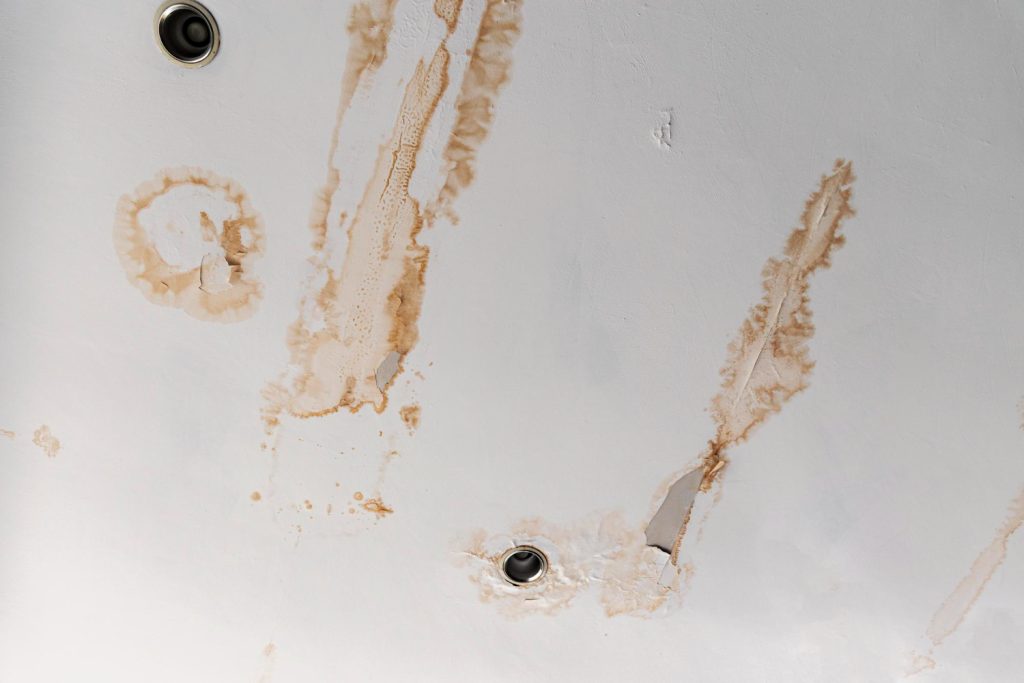
A fall roof leak can interrupt your business long before it becomes a major roofing failure. Water can reach ceilings, equipment, inventory, electrical areas, and tenant spaces, creating safety concerns and unwanted disruption for everyone inside the building.
For Lee’s Summit property owners, autumn is a smart time to investigate recurring leaks. Rain, wind, falling leaves, and changing temperatures can expose weak spots, while winter snow and ice may make existing damage harder to manage. We help you look beyond the water stain to determine whether commercial roof repair in Lee’s Summit is the right answer or whether replacement deserves consideration.
Stop Fall Leaks Before They Disrupt Your Business
Fall weather puts commercial roofs under added pressure. Heavy rain can test seams and flashing, wind can blow debris across the roof, and leaves can clog drains or scuppers. When water cannot move off the roof as intended, it may sit near weak areas and work its way indoors.
Temperature swings also matter. Roofing materials expand and contract as conditions change, which can reveal cracks, separated seams, loose edge metal, or worn sealants. A small opening may not be obvious during dry weather, but it can quickly become a leak during a hard fall storm.
Taking action early gives you more control over the situation. Instead of waiting for an emergency leak during business hours, we recommend having the roof evaluated when the first signs appear. Prompt attention can help limit interior damage, reduce interruptions, and identify whether a focused repair can protect the roof through the coming seasons.
Spot Damage That May Need Commercial Roof Repair
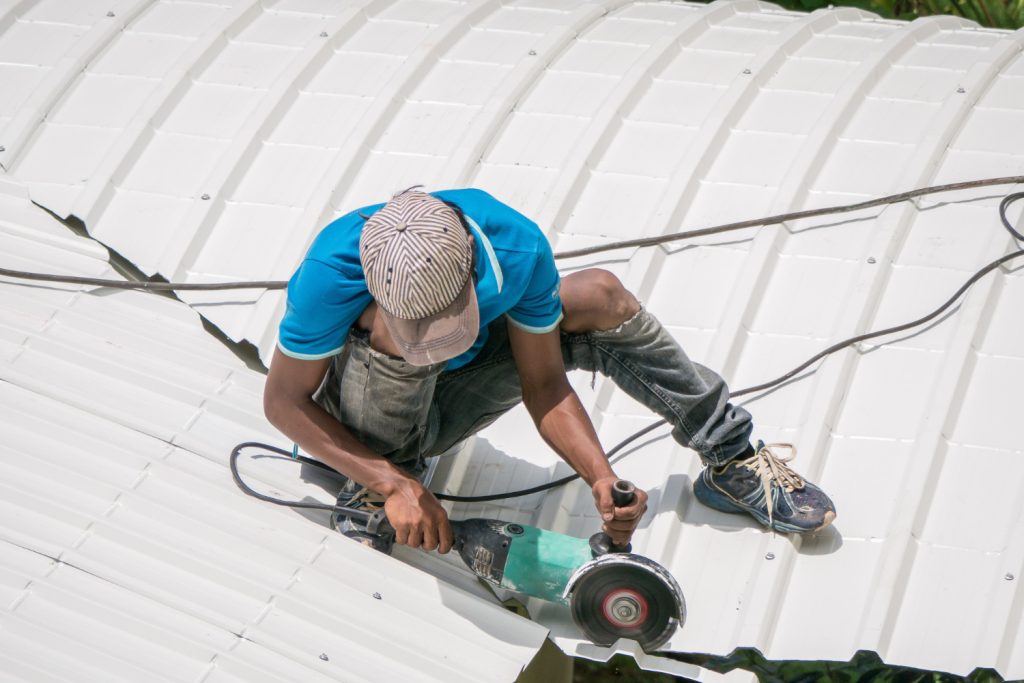
A leak does not always mean your commercial roof needs to be replaced. When damage is limited to a specific area and the overall roof system remains in good condition, commercial roof repair in Lee’s Summit may address the problem effectively.
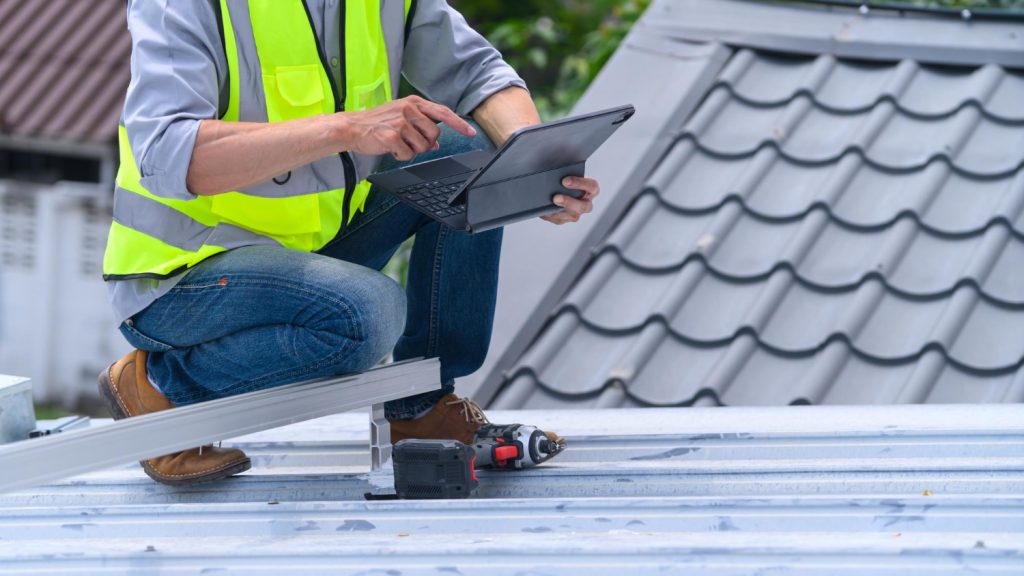
During an inspection, we look for the actual source of water entry, not just the place where water appears inside. Water can travel under roofing materials, along framing, or around rooftop equipment before it reaches a ceiling tile or wall.
Repairable concerns may include:
- Cracked flashing around walls, curbs, and rooftop equipment
- Open or separated seams in membrane roofing
- Punctures, tears, or small worn areas in the roof surface
- Loose edge metal, damaged pipe boots, or failing sealant
- Clogged drains, scuppers, gutters, or downspouts
Flat and low-slope roofs deserve close attention after storms. Ponding water, blistering, membrane shrinkage, and drainage trouble can worsen when rain continues to collect in the same spot. Left unaddressed, standing water may place more stress on the roof surface and increase the chance of recurring leaks.
It also helps to document what you notice. Make note of where leaks appear indoors, when they occur, and whether they follow heavy rain, strong wind, or both. Those details can help us trace the issue more efficiently and focus the inspection on likely trouble areas.
Know When Replacement Offers Better Protection
Repeated repairs can be a sign that the roofing system is reaching the end of its useful life. While repairs can extend the life of a serviceable roof, replacement may offer a better long-term path when damage is widespread or leaks keep appearing in different areas.
Warning signs that deserve a replacement discussion include:
- Leaks returning after prior repairs
- Water appearing in several areas of the building
- Widespread membrane deterioration or major seam failure
- Large areas of wet insulation or ongoing ponding water
- Structural concerns beneath the roofing system
The decision should consider more than the immediate leak. We review the roof’s age, its general condition, past repair history, warranty status, drainage performance, and the risk that another interior leak could interrupt your operations. A roof with isolated damage may be a good repair candidate, while one with repeated failures across the surface may need a broader solution.
Modern commercial roofing systems can provide stronger weather resistance and improved drainage planning. Depending on the roof design, replacement may also create an opportunity to address insulation concerns, weak flashing details, and areas where water has repeatedly collected.
Consider Your Roof Type and Fall Weather Risks
The best recommendation depends on the type of roof protecting your building. TPO, EPDM, PVC, modified bitumen, metal, and built-up roofing can all age differently and require different repair methods. A professional inspection helps us determine how the material is performing and whether the damage is isolated or part of a larger pattern.
Leaves are a frequent fall concern for commercial properties. They can gather near drains, scuppers, gutters, and rooftop equipment, slowing drainage when rain arrives. Water that remains on a flat roof for too long can expose vulnerable seams, deteriorated areas, and damaged flashing.
Before winter conditions arrive, we recommend reviewing:
- Roof drains, scuppers, gutters, and downspouts
- Flashing around walls, vents, and rooftop equipment
- Pipe penetrations and other sealed openings
- Areas where water, snow, or ice tends to collect
- Signs of damaged insulation or soft spots beneath the roof surface
Missouri weather can change quickly, so small defects should not be ignored simply because they are not leaking every day. A roof may seem fine during a light shower but fail during wind-driven rain or after a freeze-and-thaw cycle.
Build a Smart Plan Before Winter Arrives
A proactive plan starts with a detailed roof inspection after a fall storm or at the first sign of indoor water damage. Even a small stain can point to a problem that needs attention before snow, ice, and added moisture reach the roof.
Following the inspection, we recommend asking for a written assessment that explains the current damage, likely causes, repair priorities, the condition of the overall system, and any replacement considerations. Clear information makes it easier to plan around business operations and avoid treating every new leak as a separate surprise.
Ongoing maintenance also plays an important role. Seasonal debris removal, drain cleaning, sealant checks, flashing inspections, and prompt storm repairs can help you catch developing problems before they spread. Addressing fall leaks now gives your building a better chance of entering winter with a dry, dependable roof overhead.
Restore Confidence In Your Commercial Roof
Interstate Roofing Merriam can assess the source and extent of your leak-related damage and recommend a practical solution for your property. Get experienced support for commercial roof repair in Lee’s Summit tailored to your roof’s condition and long-term needs. Contact us to request an inspection and discuss your repair or replacement options.