Protect Your Roof Edge Before Leaks Spread
Coping caps are a first line of defense for commercial flat roof parapet walls. These covers sit along the top of a parapet wall and help direct water away from materials that can be damaged by moisture. When coping cap joints fail, water can slip behind the roof edge and remain hidden until the damage becomes much harder to spot.
At Interstate Roofing Denver, we often see how a small joint opening can lead to larger trouble around a flat roof. Water may affect the parapet wall, flashing, insulation, and roof membrane even when the main roof surface appears to be in good shape. For commercial properties in Denver and across the Front Range, keeping roof-edge details in good condition matters through every season.
Coping caps may be made from metal, stone, or precast materials. No matter the material, the joints between sections need to allow for movement while keeping water out. Sealant can dry out, fasteners can loosen, and changing temperatures can pull sections apart over time. That makes coping cap failure a concern worth addressing early.
Coping Cap Joints Shield Vulnerable Parapet Edges
A parapet wall rises above the roof line, creating an edge that needs more protection than an open roof field. Properly installed coping caps cover the top of that wall, while sealed joints help stop rain, melting snow, and wind-driven moisture from entering below.
When those joints are sound, the roof edge system can move water where it belongs, away from wall materials and roof components. The coping cap works alongside the flashing and roof membrane, not separately from them. Each piece has a role in keeping moisture from reaching areas where it can become trapped.
Water entering through a coping joint may travel behind exterior finishes or down inside the parapet wall. Because it can move away from the original opening, the leak you notice indoors may not be directly below the failed joint. We inspect these areas as a connected system, including:
- Coping cap sections and seams
- Sealant, fasteners, and expansion points
- Flashing where the membrane meets the parapet
- Roof membrane conditions near the edge
- Signs of moisture inside or below the parapet wall
A flat roof membrane can look intact while water is entering from above at the wall. That is why roof-edge inspections should include more than the visible roof surface.
Coping Cap Failure Lets Water Reach Roof Edge Systems
Coping cap failure often starts small. A crack in sealant, a separated seam, a missing fastener, or a loose metal section can create an opening for moisture. Thermal movement can also create gaps as materials expand in warm weather and contract when temperatures drop.
Once water gets past the coping cap, it can reach parts of the roof system that are not meant to stay wet. Over time, moisture can saturate insulation, weaken wood blocking, rust metal components, and damage flashing. It may also work its way into the roof membrane at the perimeter, creating blisters, openings, or recurring leaks.
Roof edges receive a lot of weather exposure. Wind can force rain into small gaps, while snow may melt and refreeze around seams. We recommend treating roof-edge issues seriously, even when the opening looks minor. A small repair made at the right time can prevent moisture from spreading into materials that require broader restoration.
Fall Freeze-Thaw Cycles Worsen Joint Failures
Autumn weather in Denver can put extra stress on coping cap joints. Fall rain, early snow, freezing nights, and warmer daytime temperatures create repeated cycles of expansion and contraction. A seam that seemed harmless during dry weather can become a path for water when moisture starts collecting around the parapet.
Trapped water expands when it freezes. That pressure can widen cracks in sealant, push against metal joints, and worsen small gaps around coping sections. Mortar and parapet materials can also be affected when moisture repeatedly freezes and thaws within tiny openings.
Other Front Range conditions can add to the wear. Strong sunlight may dry and age sealant, hail can damage exposed roof-edge materials, and high winds can strain loose coping sections. Before winter weather becomes more frequent, we recommend having exposed parapet edges checked for signs that water could get behind the coping cap.
Visible Warning Signs Reveal Failing Coping Cap Joints
Some coping cap problems can be seen from the ground, but many appear only during a close professional inspection. Facility managers should watch for changes around parapet walls after storms, especially if leaks seem to return in the same area.
Exterior warning signs may include:
- Separated seams or visible gaps between coping sections
- Cracked, shrunken, or missing joint sealant
- Lifted, bent, or loose coping cap sections
- Rust stains, loose fasteners, or displaced metal
- Cracks or moisture staining on parapet wall finishes
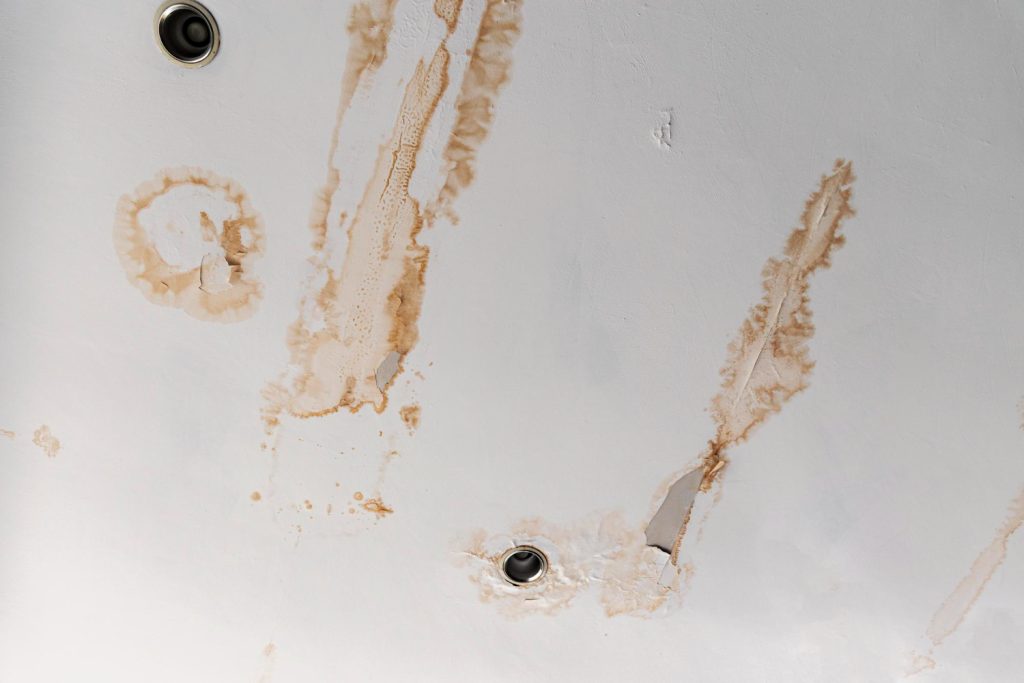
Inside the building, water damage may show up as ceiling stains near exterior walls, damp areas near the top of the wall, or recurring leaks after rain or snowmelt. On the roof, blistering membrane material, loose flashing, or staining near the perimeter can also point to moisture entering at the coping cap.
We do not recommend walking roof edges or attempting roof-edge repairs without proper safety measures. Parapets, coping caps, and perimeter flashing can be difficult to assess safely, and an improper repair may trap water instead of stopping it.
Address Roof Edge Problems Before Winter Weather
A professional inspection can help determine whether a coping cap joint needs resealing, a coping section needs to be secured, flashing needs attention, or moisture has already affected the roof-edge system. The right repair depends on how far water has traveled and which materials have been affected.
Waiting can allow winter moisture to reach deeper into the parapet wall or roof assembly. Paying attention to seams, sealant, flashing, and recurring leak patterns gives you a better chance to address coping cap failure before hidden damage spreads through the roof edge or into interior spaces.
Protect Your Roof Edge With Timely Repairs
Interstate Roofing Denver can assess the condition of your roof perimeter and provide targeted solutions for coping cap failure. Our team focuses on practical repairs that help preserve the integrity of your commercial flat roof. To discuss your roof’s needs, contact us for an inspection.