Catch Plumbing Vent Leaks Before Winter Weather Arrives
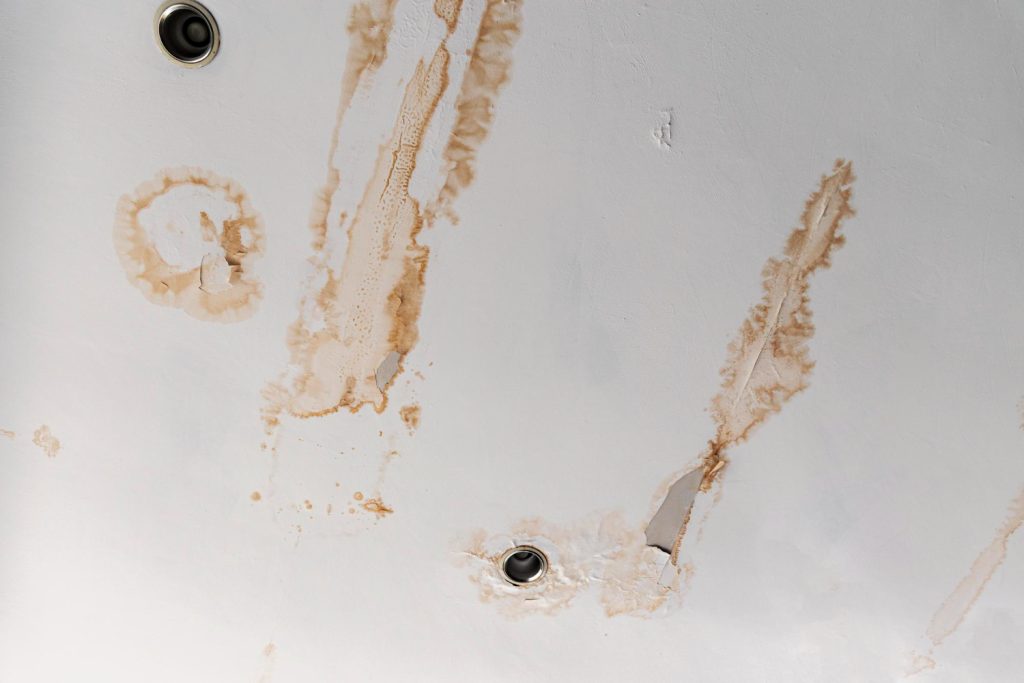
Cracked pipe boots can cause a small roof leak that stays hidden for far too long. Water may slip into your attic, insulation, ceiling, or roof deck before you ever see a stain indoors. By the time a brown spot appears on the ceiling, moisture may have already affected materials beneath the roof surface.
A pipe boot is the flashing piece that seals the opening where a plumbing vent pipe comes through your roof. It may look like a simple rubber collar, but it has an important job: keeping water out while allowing the pipe to pass through the roofing system. In Colorado Springs, October temperature swings, wind, rain, and early snow can quickly expose weak spots around these roof penetrations.
How Cracked Pipe Boots Fail in Colorado Springs
Most pipe boots include rubber, neoprene, or a similar flexible material around the vent pipe. Over time, that material can dry out under the sun, become brittle, shrink, split, or pull away from the pipe. Once a crack or gap forms, the boot can no longer create a reliable watertight seal.
Colorado Springs weather can be tough on these small roofing parts. Strong sunlight, hail, wind, freeze-thaw cycles, and heavy snow all place stress on roof penetrations. Even a boot that appears mostly intact from the ground may have small splits along its upper edge or where the rubber meets the pipe.
When rain or melting snow reaches a damaged boot, water can run down the vent pipe or beneath nearby shingles. From there, it may travel into the roof system rather than dripping directly into a room below. We often find that leaks around vent pipes have been moving quietly through insulation or along framing before the property owner notices a clear indoor warning sign.
Recognize the Early Signs of a Plumbing Vent Leak
Leaks near plumbing vents do not always show up during every storm. A light rain may cause no obvious trouble, while wind-driven rain, fast snowmelt, or a longer storm can send water through a cracked opening. That inconsistent pattern can make the source of the leak hard to identify without a close roof inspection.
Inside your property, keep an eye out for warning signs near bathrooms, kitchens, laundry rooms, or any area below a vent pipe. Possible signs include:
- Water spots or discoloration on ceilings
- Peeling paint or bubbling drywall
- Damp, compressed, or stained attic insulation
- Musty odors in the attic or upper rooms
- Drips that appear only during rain or snowmelt
From the ground, you may also notice a visibly split rubber collar, lifted shingles around a vent pipe, rusty flashing, or deteriorated sealant. Still, many problems are not easy to see safely from below. We recommend having a qualified roofer inspect the area rather than relying on what appears visible from the yard.
Why Fall Weather Can Worsen Cracked Pipe Boots
Fall weather can turn a small crack into a larger leak. Autumn rain can work its way into gaps around an aging pipe boot, especially when wind pushes water uphill or sideways beneath shingles. If moisture becomes trapped in a damaged collar or flashing seam, an overnight freeze can make the opening worse.
As water freezes, it expands. Repeated freezing and thawing can widen cracks, loosen sealant, and increase separation where the boot meets the vent pipe. Snow adds another concern because it can sit on the roof, melt gradually, and keep water near vulnerable penetrations for longer periods.
Waiting until winter can make an otherwise straightforward repair more difficult. Snowy or icy conditions may limit access to the affected area, while hidden moisture continues to affect the roof deck and insulation. A plumbing vent leak can also create conditions that support mold growth if damp materials are left in place.
Choose the Right Repair Before Hidden Damage Spreads
The right repair depends on more than the condition of the pipe boot alone. During an inspection, we look at the boot, vent pipe, surrounding shingles, flashing, roof deck, and any signs that water has traveled below the surface. A cracked boot may be the main problem, but worn shingles or damaged materials beneath the roofing can allow the leak to continue.
Depending on what we find, the repair may involve:
- Replacing a damaged or aged pipe boot
- Resealing the roof penetration correctly
- Repairing shingles affected around the vent
- Addressing damaged flashing or roof decking
- Checking for storm-related damage nearby
A surface layer of caulk may seem like a quick answer, but caulk-only repairs often do not last through Colorado’s changing weather. Sealant can crack, peel, or separate as temperatures shift. Instead of covering up the visible gap, a proper repair should address the condition of the penetration and the roofing materials around it.
Schedule a Roof Inspection Before Winter Storms Arrive
When you notice water stains, musty attic odors, damaged vent collars, or aging roof penetrations, a professional inspection can help identify the source before the next storm. Our team at Interstate Roofing Colorado Springs can inspect pipe boots, flashing, shingles, and possible storm damage to help determine whether water is entering around a plumbing vent.
Small cracks around a vent pipe deserve attention because they can let moisture reach places you cannot easily see. Checking these roof penetrations before winter weather settles in can help limit hidden damage and keep a minor roof issue from becoming a larger water-intrusion problem.
Protect Your Roof From Further Damage
At Interstate Roofing Colorado Springs, we provide thorough assessments and dependable repairs for cracked pipe boots. Our team can identify compromised flashing and help restore a secure seal around your plumbing vents. To discuss your roof repair needs, contact us today.