A small roof problem can turn into a much larger property issue faster than most people expect. A lifted shingle, loose piece of flashing, puncture, or minor leak may let rain move into the roof deck, attic, insulation, ceilings, walls, and even electrical areas. During Jacksonville’s late hurricane season, repeated wind and rain can push an already weak spot past its limit.
We want you to know when emergency roof repair services may help limit damage and protect the structure below your roof. Fast professional attention can reduce safety concerns, prevent wider water spread, and help you make a clear plan for repairs after a storm or sudden leak.
Small Roof Problems Rarely Stay Small
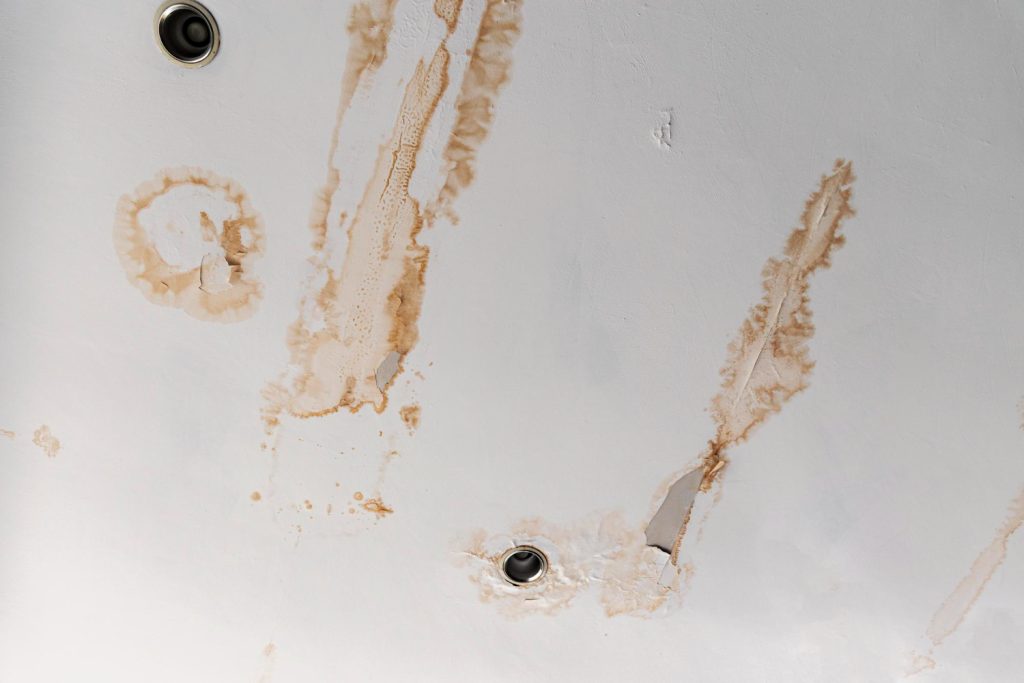
Roof damage does not always look dramatic from the ground. Sometimes the first sign is a faint ceiling stain or a drip that appears only during heavy rain. By the time water is visible indoors, it may have already traveled along framing, insulation, or drywall.
A roof opening does not need to be large to create trouble. Wind can lift flashing around vents, loosen shingles, or leave a gap where rain can enter. Fallen branches may puncture roofing materials, while older areas of a roof can become more vulnerable after several storms.
Prompt action matters because moisture can spread beyond the original entry point. We often see water affect areas far from where the leak first started. Addressing the source early gives you a better chance of limiting damage to the roof and the spaces underneath it.
Emergency Roof Repair Services Limit Water Damage
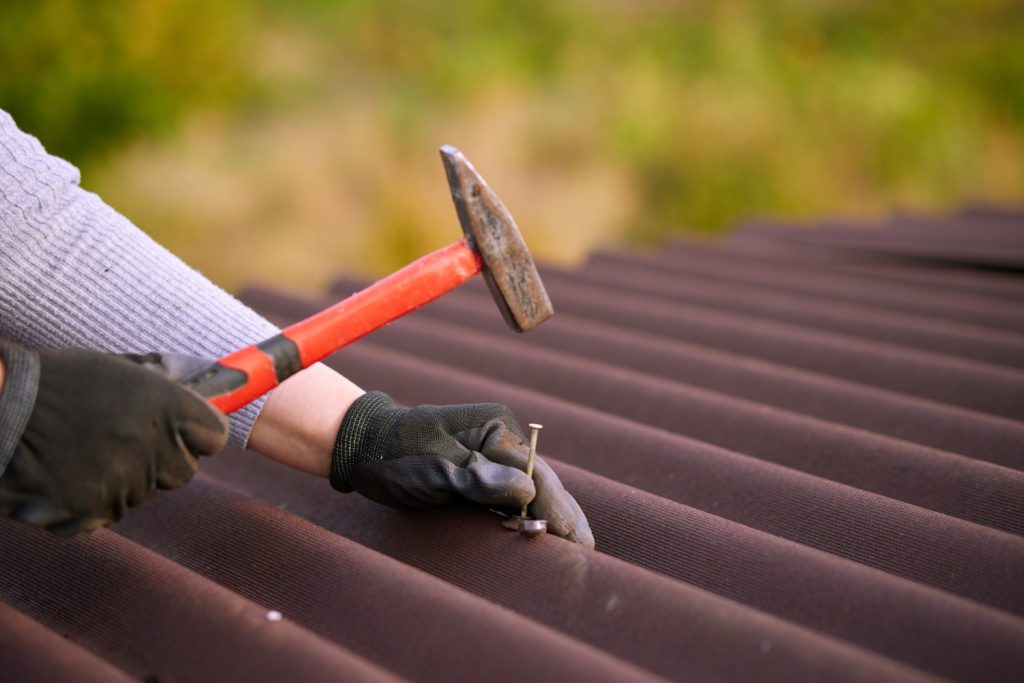
Emergency roof repair services are especially helpful when active water entry needs to be controlled quickly. The first goal is usually to stop or reduce the leak, protect exposed roofing areas, and keep additional rain from reaching the building interior.
A professional assessment can identify whether the problem came from wind, debris, damaged shingles, failed flashing, or moisture beneath the roofing materials. What looks like one small issue may have hidden damage nearby, especially after a strong storm. A temporary patch may seem helpful in the moment, but it can fail when the next round of rain arrives.
Unresolved water intrusion can affect much more than the roof itself. It may lead to:
- Damaged ceilings, walls, and flooring
- Wet insulation and moisture trapped in attic spaces
- Wood rot and mold concerns
- Damage to furniture, electronics, documents, or stored belongings
- Interior restoration work that could have been avoided with earlier action
For commercial properties, the impact can spread into tenant areas, storage rooms, offices, equipment spaces, and customer-facing areas. Controlling water entry early can help keep a roofing issue from becoming a larger building disruption.
Jacksonville Storm Damage Can Escalate Overnight
October is still an active time for heavy rain, strong winds, and tropical weather in Jacksonville. A roof that has already been stressed during hurricane season may be more likely to lose materials or develop leaks when another storm moves through.
Certain warning signs deserve immediate attention. If you notice any of the following, it is wise to treat the situation seriously:
- Active dripping or water collecting indoors
- Ceiling stains that are spreading or darkening
- Missing, curled, cracked, or displaced shingles
- Damaged flashing around chimneys, vents, or roof edges
- Exposed roof decking or debris resting on the roof
- Sagging areas, ponding water on a low-slope roof, or leaks near rooftop equipment
Safety comes first after a storm. We recommend staying off the roof, since wet surfaces, loose materials, and hidden damage can make it unsafe. If possible, move valuables away from active leaks and place containers beneath dripping water. Downed power lines, major structural collapse, or any immediate danger should be handled by emergency responders before roofing work is considered.
Storm damage is not always obvious from the ground. A careful inspection can reveal vulnerable areas that may leak during the next storm, even if the roof appears mostly intact.
Fast Action Protects Homes, Businesses, and Budgets
A rapid roofing response protects more than shingles and flashing. In a home, stopping water early can help protect living areas, furniture, flooring, electronics, and personal belongings. It can also reduce the chance that moisture stays hidden inside insulation or wall cavities.
Businesses face added concerns when a roof leak develops. Water on floors can create slip hazards, while leaks near equipment, inventory, files, or customer spaces may interrupt normal operations. For property managers, a leak can also affect tenants and require quick communication about access, safety, and temporary protection.
Emergency work does not always mean a full roof replacement is needed. Depending on the condition of the roof, we may be able to secure the damaged area, remove debris, cover exposed sections, and identify the next appropriate repair step. A full inspection helps determine whether the problem is isolated or part of a broader roofing concern.
The right plan should consider the roof’s age, the amount of storm damage, the condition of nearby materials, and the chance of future leaks. Clear information helps you avoid repeated emergencies caused by the same unresolved issue.
Safe Recovery Starts with a Clear Assessment
After sudden roof damage, an organized response can make the recovery process less stressful. The immediate focus is typically on controlling water entry and stabilizing damaged areas until more extensive work can be completed safely.
Documentation is also helpful. From a safe location, take photos of visible roof damage, interior water stains, fallen branches, or affected belongings. Note when you first saw the issue and keep records of any temporary protective work. These details may be useful when communicating with an insurance provider, property manager, or tenant.
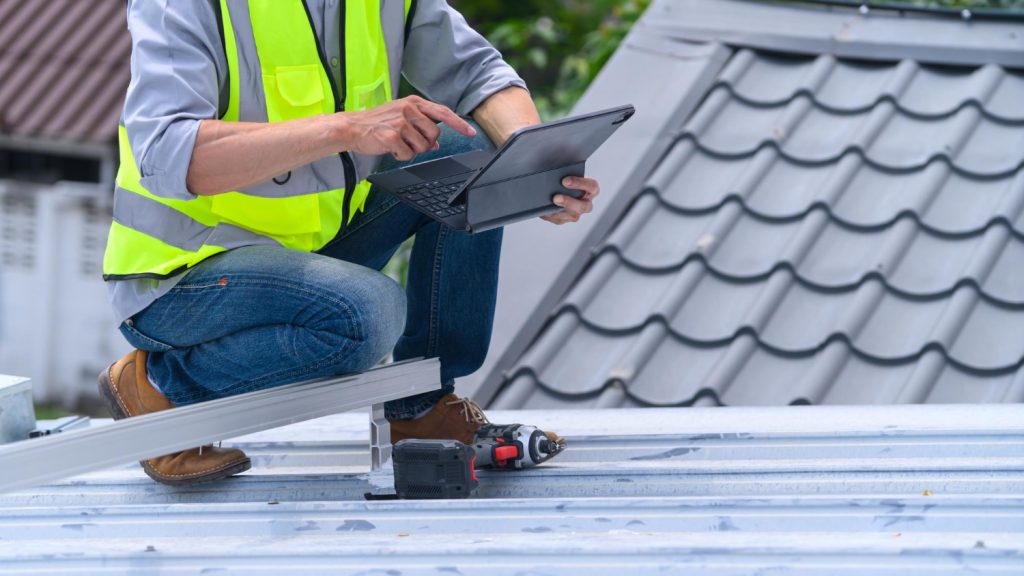
During a professional roofing visit, you should expect an evaluation of visible damage, likely water-entry points, and immediate protection options. We also look for signs that the storm affected more than the area you first noticed. On older roofs or roofs with widespread wind exposure, concerns may not be visible from the ground.
It is important to separate an urgent leak from a larger roof condition issue. A careful assessment gives you a practical path forward instead of leaving you to guess after every storm.
Address Damage Before the Next Storm
Waiting on a small leak or a few missing shingles can allow the next heavy rain to create a much bigger problem. Keep an eye on ceiling stains, loose roofing materials, damaged flashing, and storm debris, especially during the later part of hurricane season.
The most useful takeaway is simple: treat active leaks and visible storm damage as time-sensitive. Early professional attention can help protect your building, reduce disruption, and give you a clearer understanding of what your roof needs before severe weather raises the stakes again.
Protect Your Property With Prompt Roof Support
Interstate Roofing Jacksonville helps property owners address urgent roofing concerns with practical solutions and clear next steps. Our emergency roof repair services can help limit further damage while supporting your building’s long-term needs. When you need experienced guidance, contact us to discuss your roofing concerns.