Protect Your Property Before Denver Snow Arrives
Fall is the best time to prepare a commercial roof for Denver winter weather. Snow, freezing temperatures, strong winds, and repeated freeze-thaw cycles can turn a small roof concern into a disruptive leak. Early maintenance helps you reduce the chance of interior water damage, slippery areas, business interruptions, and emergency repairs during difficult weather.
Denver roofs also face more than winter snow. Hail from earlier seasons, windblown debris, bright sun, and UV exposure can wear down roofing materials over time. When moisture reaches a weak seam or flashing detail, then freezes and expands, the opening may grow quickly.
With commercial roof maintenance in Denver completed during fall, we have a clearer view of the roof surface and more workable conditions for repairs. Once snow covers the roof or temperatures stay below freezing, locating and correcting problems can take more time and may be limited by weather.
Start with a Thorough Fall Roof Assessment
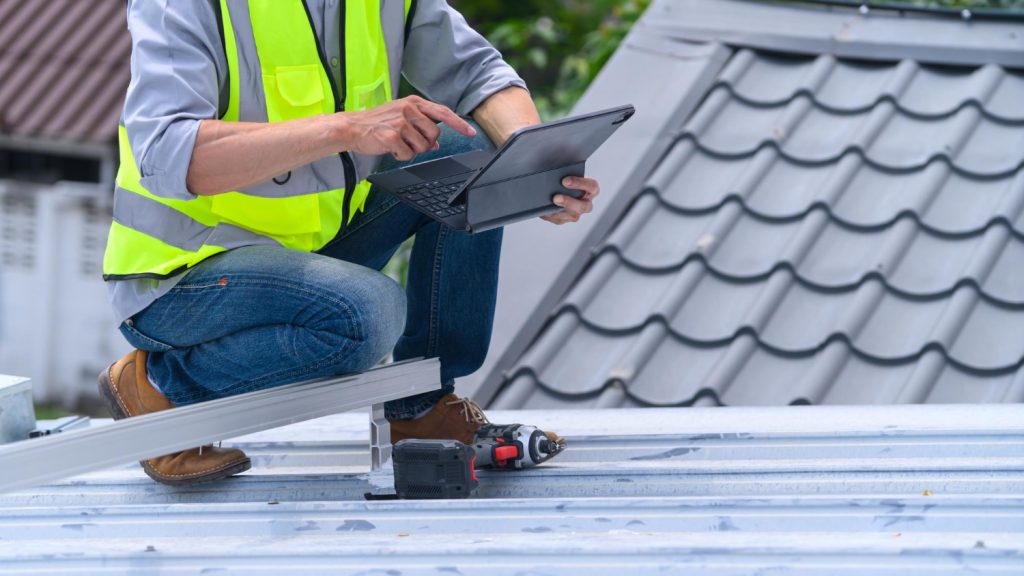
A professional roof inspection gives us a full picture of your roofing system before winter arrives. Commercial roofs have many areas that need attention, not just the main membrane. We inspect surfaces, seams, flashings, penetrations, parapet walls, rooftop equipment areas, drainage points, and locations where repairs were completed in the past.
Small defects can look harmless on a dry fall day. Under melting snow and refreezing water, however, a loose edge or aging sealant can become a path for moisture. Water may travel beneath roofing materials before it appears inside, which is why early inspection matters.
Before an inspection, let us know if you have noticed signs such as:
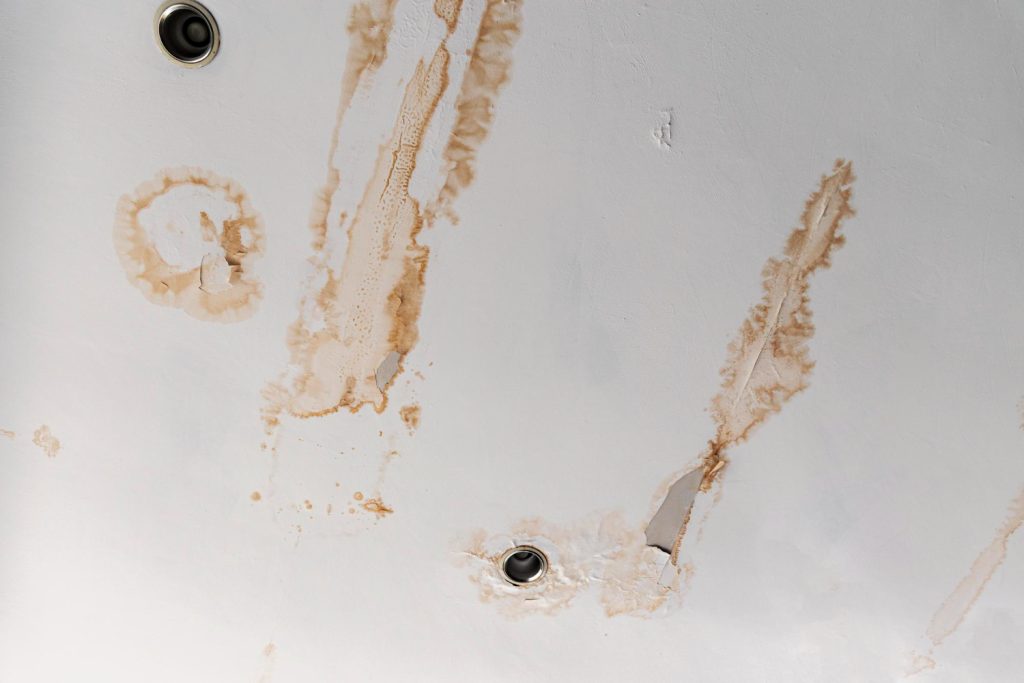
- Water stains on ceilings or walls
- Damp insulation or musty interior areas
- Bubbling, cracking, or lifting roof materials
- Loose flashing, open seams, or damaged sealant
- Ponding water, debris buildup, or concerns around HVAC equipment
Interior warning signs should not be brushed aside. They can mean moisture has already entered the roof assembly, even if the visible damage seems minor. Our findings can also help you prioritize repairs, plan future work, and keep records of roof conditions after hailstorms or other weather events.
Clear Drainage Paths Before Freeze-Thaw Cycles
Drainage is a major part of winter roof preparation. Drains, scuppers, gutters, downspouts, and roof valleys need to move water away from the roof surface. During fall, leaves, dirt, gravel, branches, and windblown debris can collect in these areas and slow that process.
When water cannot drain properly, it may remain on the roof long enough to freeze. Ice can block drainage even further and keep melting snow from leaving the roof. That cycle can create standing water, ice buildup, and stress around seams, flashing, and penetrations.
Ponding water is not just a surface issue. It adds weight to the roof, can speed up material wear, and may find its way into small openings. If that water freezes, expanding ice can worsen cracks that were already present.
We recommend having drainage components reviewed after major fall storms and again before the first long stretch of winter weather. Nearby trees and landscaping deserve attention, too, because overhanging branches can leave fresh debris on the roof after every windy day. A professional maintenance team can remove debris safely while checking whether the drainage system is working as intended.
Address Small Defects Before Snow Loads Build
Fall is the time to correct damaged membranes, punctures, loose seams, deteriorated sealant, and compromised flashing. Commercial roofs deal with year-round wear from foot traffic near equipment, wind-driven debris, hail impacts, sunlight, and changing temperatures. A small damaged area can become an active leak once snow and ice settle over it.
Snow loads can place added strain on roofing materials and drainage areas. A well-designed roof is built for normal weather, but weak spots may not perform as expected when snow accumulates and meltwater has nowhere to go. Since problems can remain hidden beneath snow, interior damage may be the first clue that water has entered the building.
Some of the most common leak-prone locations include:
- Vents, pipes, and exhaust systems
- Skylights and their surrounding flashing
- HVAC equipment curbs and service areas
- Wall transitions and parapet details
- Previous repair locations with aging materials
These areas rely on flashing and sealants to remain watertight. We pay close attention to them during fall maintenance because cold temperatures and repeated expansion and contraction can cause aging materials to separate or crack.
Build a Maintenance Plan for Your Roof
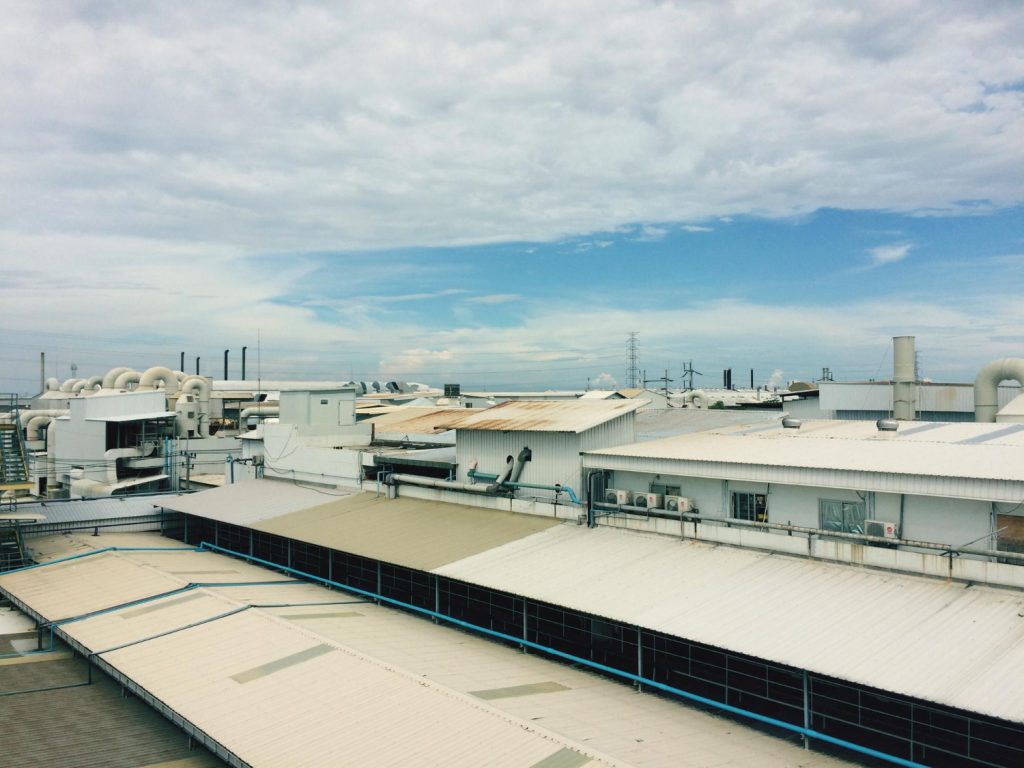
Commercial roof maintenance in Denver should fit the building, not follow a one-size-fits-all checklist. Roof type, age, slope, drainage layout, equipment placement, building use, and exposure to weather all affect what we look for. Flat and low-slope roofs often have different concerns than steep-slope commercial roofs, metal systems, or buildings with more than one roof type.
A steady maintenance plan gives you useful information long before a major decision is needed. We can document roof conditions, identify repairs that need prompt attention, and monitor areas that may need future restoration or replacement. That kind of recordkeeping also supports planning after a storm, especially when hail or wind damage may need to be reviewed.
Regular care may include fall inspections, post-storm evaluations, drainage cleaning, minor repairs, and condition documentation. Because we work in Colorado, we understand how snow, hail, wind, and UV exposure can affect commercial roof systems across Denver and the Front Range.
Prepare Before Winter Weather Sets In
The most practical step is to have your roof reviewed while surfaces are visible and drainage paths can be cleared. Catching concerns before sustained snow arrives gives you a better chance to prevent leaks, protect interior spaces, and avoid having a small issue grow under ice and snow.
Keep records of inspections, repairs, and storm-related concerns, then use them to guide future maintenance decisions. A roof that receives consistent professional attention is easier to manage through winter and easier to plan for when the seasons change.
Protect Your Roof Before Winter Weather Arrives
Interstate Roofing Denver can help identify maintenance priorities and address developing concerns before snow complicates repairs. Our team provides dependable commercial roof maintenance in Denver tailored to your building’s condition and seasonal needs. To discuss your roof or schedule an assessment, contact us today.