Protect Your Building Before Woodland Park Snow Arrives
Commercial roof maintenance in Woodland Park deserves attention before snow and freezing temperatures settle in. Late October can bring quick weather changes at this elevation, and a roof that seems fine during a dry afternoon may reveal weak spots once wind, snowmelt, and overnight freezes arrive.
Fall provides a practical window to inspect and repair concerns while roof access is safer and weather delays are less likely. Small openings, worn seals, or poor drainage can lead to leaks, interior damage, and emergency repairs after winter weather moves in.
A proactive maintenance plan also helps protect the parts of your business that keep daily operations moving. By addressing roof concerns early, you can help reduce disruptions to employees, visitors, inventory, equipment, and tenant spaces. Our team brings Colorado roofing experience to commercial roof systems, and we understand how quickly mountain weather can test a building.
Start with a Fall Roof Inspection
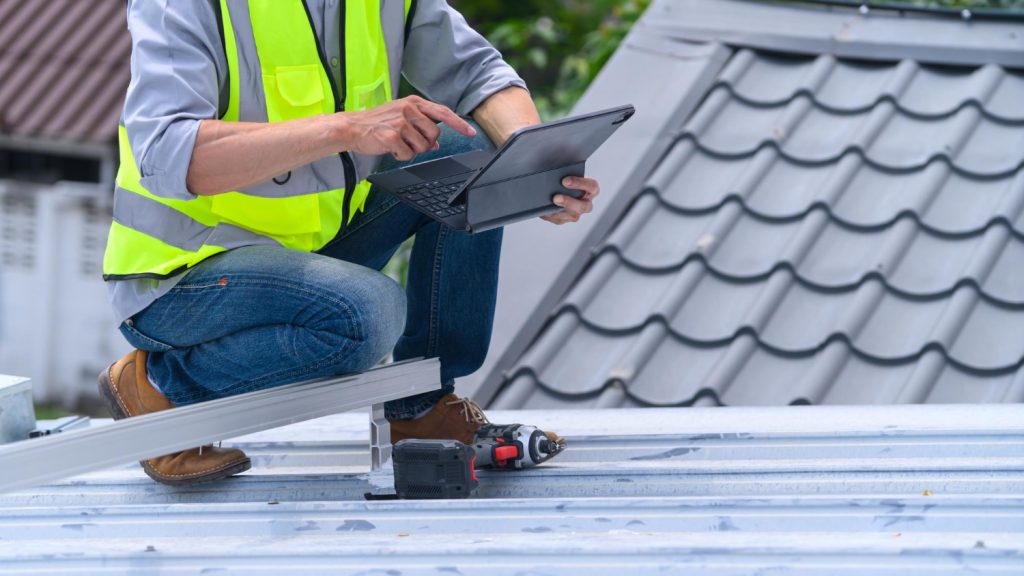
A professional inspection gives you a clearer picture of your roof’s condition before snow and ice make small deficiencies harder to spot. Commercial roofing systems have many areas where materials meet, change direction, or surround equipment. Those areas deserve close attention before winter.
During an exterior inspection, we look closely at common water-entry points, including:
- Membrane seams and roof edges
- Flashing around walls, curbs, and transitions
- HVAC curbs, pipe penetrations, and rooftop equipment
- Skylights, drains, scuppers, and coping
- Areas with older patches or visible surface wear
Seals can weaken over time, and wind can shift materials in ways that are not always obvious from the ground. A fall inspection helps us identify whether a repair should be completed now, monitored through the season, or considered as part of longer-term replacement planning.
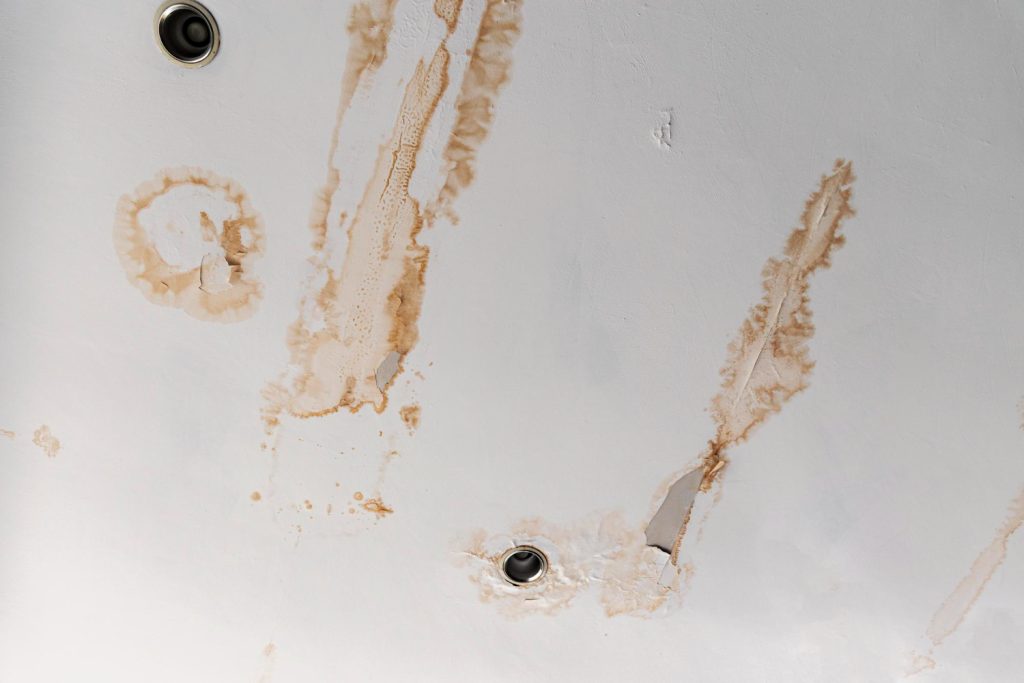
The inside of your building can also offer clues. Ceiling stains, bubbling paint, musty odors, damaged insulation, and unexpected indoor humidity may point to a roofing concern. The visible symptom is not always directly below the leak source, since water can travel along decking, insulation, pipes, or framing before it becomes noticeable.
Keeping photos and written notes from each inspection is also recommended. Good records help you track repeat trouble spots, prioritize maintenance, and document the roof’s condition if a winter storm causes damage.
Clear Drainage Paths Before Freeze-Thaw Weather
Drainage is one of the biggest priorities for commercial roof maintenance in Woodland Park. Rain, snowmelt, and ice need a clear path off the roof. When drains, gutters, scuppers, or downspouts are blocked, water can remain on a low-slope roof longer than intended.
Fall weather often leaves behind pine needles, leaves, branches, roofing debris, and windblown dirt. Even a small buildup around a drain can slow water flow and create ponding after a storm or a warm afternoon melt. Standing water adds stress to the roof surface and can expose weak seams or deteriorated areas.
Freeze-thaw cycles create another concern. Water trapped in gutters, scuppers, and downspouts can freeze overnight and expand. That pressure may contribute to cracks, separations, and ice buildup. As ice redirects melting water, it can send moisture toward places that were not designed to handle it.
Trained roofing professionals can inspect and clear drainage components while checking that the whole system works together. Maintenance should include confirming that:
- Drains flow properly and strainers are secure
- Scuppers are open and free of damage
- Gutters and downspouts remain intact
- Water moves away from the foundation
- Drainage does not create slippery areas near entrances or walkways
Repair Small Weak Points Before Winter Loads
Minor roof damage has a way of becoming more serious once moisture gets below the roof surface. Fall is often the best time to address issues before snow accumulation, high winds, and freezing temperatures add more pressure to the system.
Common inspection points include loose flashing, open seams, punctures, cracked sealant, worn pipe boots, damaged coping, and failing older repairs. Any of these conditions can allow water beneath a membrane. Once moisture enters the roofing assembly, it may affect insulation or decking and spread farther than the original opening.
Delaying repairs can make the situation harder to manage. Moisture beneath a membrane can freeze and expand, while snow loads can stress materials that are already weakened. A small leak may grow into interior damage or a larger restoration project when winter conditions limit access.
Prompt, properly planned repairs can often help extend the useful life of an existing commercial roof. Depending on the roof’s age and overall condition, we may recommend targeted repairs, a protective coating solution, or a plan for future replacement. The right choice depends on what the inspection shows, not on a one-size-fits-all answer.
Plan Flat Roof Care Around Snow and Ice
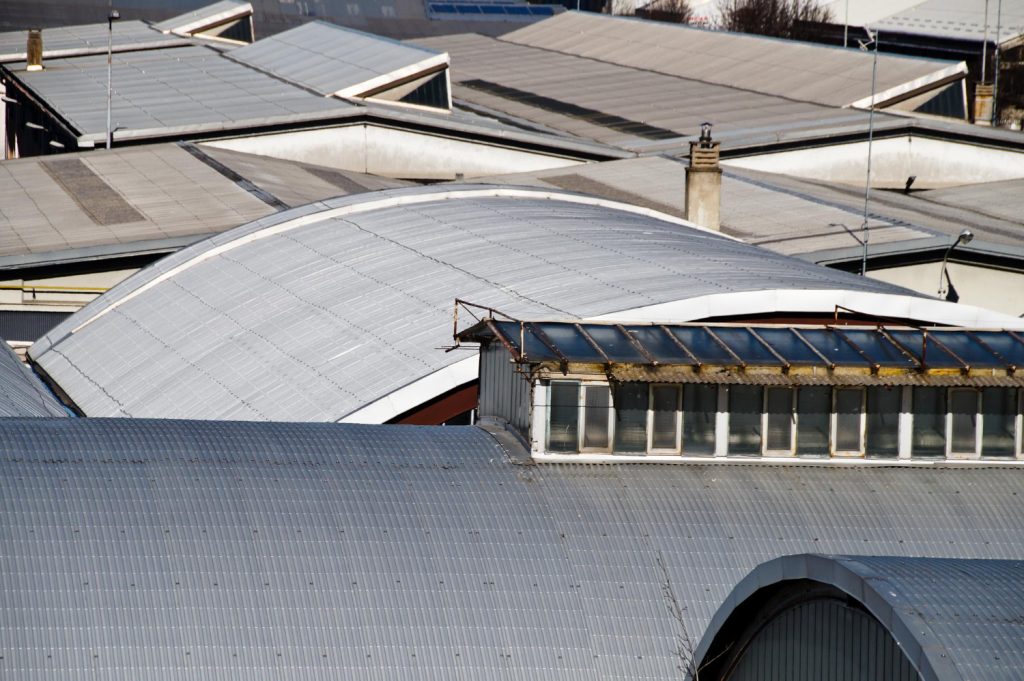
Flat and low-slope roofing systems need special attention during snowy weather. These roofs are built to manage water, but drainage performance and surface condition become even more important when melting snow and refreezing ice are part of the forecast.
Ponding water should be monitored because it can speed up membrane wear. Uneven snow accumulation also deserves attention, especially near parapet walls, rooftop equipment, and roof transitions. Drifting snow in these areas can create concentrated moisture exposure as temperatures rise and fall.
Snow removal requires care. Improper shoveling, scraping, or sharp tools can puncture roofing membranes, damage coatings, and create new leak points. When snow depth, ice dams, or drainage concerns become significant, professional guidance is preferable to sending untrained staff onto the roof.
Before winter weather arrives, review your roof access and safety procedures. Confirm who is authorized to go onto the roof, how they can move safely around equipment, and what signs should trigger a professional post-storm inspection. Clear procedures can help prevent both roof damage and unsafe conditions.
Build a Winter-Ready Maintenance Plan
A practical maintenance plan helps you stay ahead of weather-related roofing problems. A sound plan includes a fall inspection, drainage cleaning, post-storm checks, photo documentation, and records of completed repairs. This approach makes it easier to spot patterns and address concerns before they interrupt business operations.
For commercial properties with flat roofs, recurring drainage issues, storm damage, or aging materials, professional maintenance guidance can help clarify repair priorities. Interstate Roofing Colorado Springs provides commercial inspections, repairs, flat-roof solutions, storm-damage assistance, and long-term roofing support throughout the area.
The best time to address roofing concerns is before snow makes every task more difficult. A clear record of your roof’s condition, working drainage, and completed repairs can help your building face winter weather with fewer unpleasant surprises.
Protect Your Building With Expert Roof Care
Interstate Roofing Colorado Springs provides practical assessments and repair support tailored to your property’s needs. Get dependable commercial roof maintenance in Woodland Park from a team prepared to identify issues and recommend clear next steps. To discuss your building, contact us today.