Prepare Your Roof for Wasatch Winter Weather
Fall is the right time to look closely at your roof before snow becomes a regular part of the forecast. In Cottonwood Heights, leaves, cold nights, wet snow, and canyon winds can all put pressure on a roofing system in a short time. We recommend addressing small concerns now, when repairs are easier to complete and hidden weak spots are easier to find.
A little seasonal attention can help protect your building from leaks, water stains, and disruptions during winter storms. For roof maintenance in Cottonwood Heights, we focus on the full system, including roof materials, drainage, attic conditions, and areas where moisture may enter.
Start with a Safe Seasonal Roof Assessment
From the ground, you may notice clues that your roof needs attention. Missing shingles, cracked tiles, loose materials, sagging areas, and debris piled in valleys are all worth noting. Wind can lift roofing materials, while sun and temperature changes can wear down seals around vents, pipes, skylights, and chimneys.
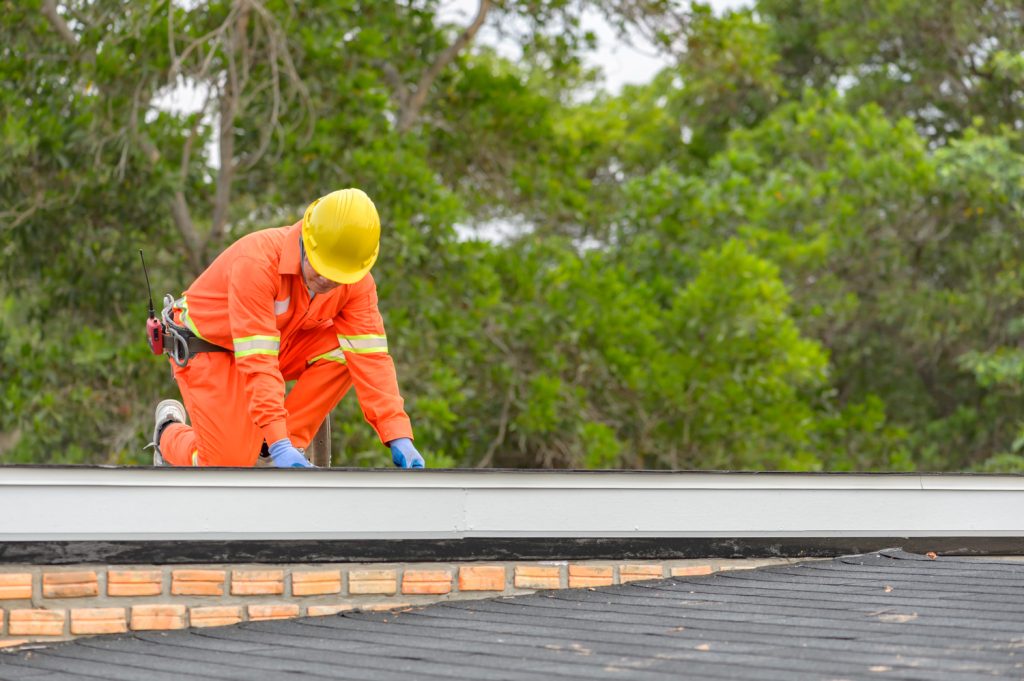
A visual check is useful, but we do not recommend walking on a roof without the right experience and safety equipment. Steep slopes, damp surfaces, and older roofing materials can create a safety risk. Foot traffic can also damage shingles, tiles, or fragile areas that already need repair.
During a professional assessment, we look beyond the roof covering for signs such as:
- Worn or separated flashing around chimneys, skylights, and walls
- Exposed fasteners, cracked vent boots, or aging sealant
- Soft spots or signs of damaged roof decking
- Loose materials collecting near valleys and roof edges
- Areas where water may collect or move beneath the surface
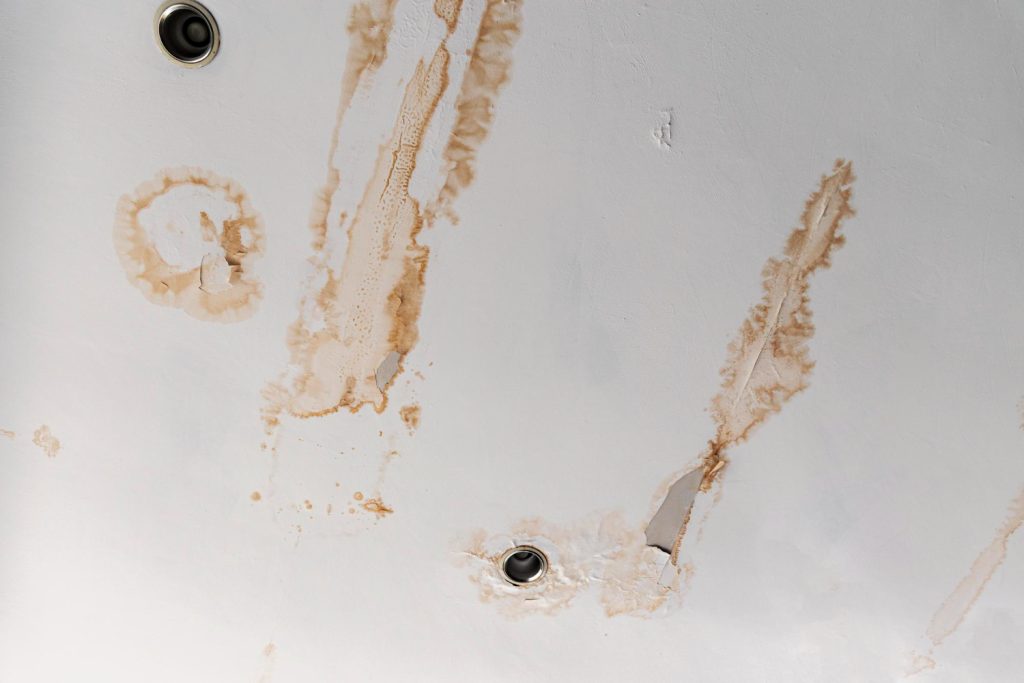
Inside the building, attic spaces, upper walls, and ceilings can tell an important part of the story. Water stains, damp insulation, musty odors, frost, or daylight visible through the roof deck may point to a concern that has not yet appeared as an active leak. We often find that early warning signs are easier to address before snow covers the roof.
Commercial properties need the same careful review, with added attention around rooftop equipment, seams, drains, and scuppers. Water that cannot drain properly may sit on low-slope roof areas and stress the roofing materials over time.
Keep Gutters and Drainage Moving Freely
Gutters do much more than keep rain from spilling over the edge of your roof. They guide rainwater and melting snow away from shingles, fascia, siding, walkways, and the foundation. When leaves, pine needles, twigs, and roofing granules clog that path, water can back up where it does not belong.
Overnight freezing makes blocked drainage even more troublesome. Water trapped near roof edges can freeze and expand. As snow melts and refreezes, ice may build up near the eaves and force moisture beneath roofing materials. That is one reason gutter care is an important part of fall roof maintenance in Cottonwood Heights.
We suggest having these areas professionally cleared and checked before winter weather settles in:
- Roof valleys where leaves and branches tend to gather
- Gutters that are overflowing, loose, or pulling away from the roofline
- Downspouts and their exits near the ground
- Commercial roof drains and scuppers
- Drainage paths near entryways, sidewalks, and foundations
Water should move away from the building instead of pooling beside it. This can help limit fascia and soffit damage, stained siding, erosion around landscaping, and icy spots near doors or walkways. After a major wind event, it is also wise to have drainage areas checked again, especially if nearby trees have dropped more leaves.
Repair Small Weak Spots Before Snow Builds Up
Small roof problems rarely stay small through a snowy winter. A lifted shingle, open seam, cracked pipe seal, or separated flashing section may not leak during a light fall rain. Snow can remain on the roof longer, though, allowing meltwater to work into openings that would otherwise go unnoticed.
When temperatures fall again, that moisture can freeze and widen the weak spot. Repeated freeze-thaw cycles may loosen materials further and create a path for water into the roof deck, attic, or interior spaces. Roof valleys and edges deserve close attention because they handle concentrated water flow.
On flat and low-slope commercial roofs, we look for punctures, failed seams, and areas where water remains after precipitation. Standing water can place added stress on the roof system, especially when debris blocks nearby drains.
Temporary patches are not always a dependable answer when snow load and freezing temperatures arrive. We recommend a professional evaluation to determine whether a targeted repair is appropriate or whether the roof needs a larger plan. Clear notes about roof conditions can also help property managers prepare maintenance plans before weather limits access.
Protect Attics, Ventilation, and Insulation
Your roof’s winter performance depends on more than what is visible outside. Heat and moisture moving through the attic can affect how snow melts across the roof. If warm indoor air reaches a cold attic, it may warm the roof deck from below and cause uneven melting.
That meltwater can run down to colder roof edges, where it refreezes and contributes to ice dams. Balanced ventilation helps control excess heat and humidity, while insulation helps keep conditioned indoor air where it belongs. Both work together, so addressing only one part may not solve the underlying problem.
Signs we recommend having evaluated include uneven snow melt, frost in the attic, mildew odors, warped decking, recurring ice dams, damp insulation, or higher-than-expected heating demands. These issues can point to moisture or airflow concerns that deserve attention before they lead to more serious damage.
For commercial buildings, insulation and ventilation also affect condensation around roof assemblies. A whole-system review gives us a clearer view of how roofing materials, interior moisture, airflow, and drainage are working together.
Schedule Fall Maintenance Before Winter Limits Access
Once regular snow arrives, roof access can become more difficult and repair options may be more limited. Fall maintenance gives you time to identify drainage issues, worn materials, ventilation concerns, and hidden moisture before a storm turns them into an interior problem. Professional roof assessments and clear recommendations can help residential and commercial property owners prepare for winter conditions.
The practical takeaway is simple: address roof concerns while conditions are dry, visible, and manageable. A professional inspection before winter can help you understand the condition of your roof and make informed decisions for the season ahead.
Protect Your Property With Reliable Roof Care
Interstate Roofing Midvale provides practical support for property owners who need roof maintenance in Cottonwood Heights. We can help identify maintenance priorities and recommend services that fit your roof’s needs. To discuss your property with our team, contact us today.