Why Ponding Water Threatens Fort Collins Flat Roofs
Standing water on a flat roof can turn a small drainage concern into major roof damage. We call this ponding water when it remains on a flat or low-slope roof for more than 48 hours after rain or snowmelt. A flat roof is not meant to hold water forever. It is built with subtle slopes, drains, scuppers, or gutters that move water off the surface.
Fort Collins weather can make ponding problems worse. Fall rain, early snowstorms, heavy winter snow, and repeated freeze-thaw cycles all add moisture to a roof. When water cannot drain as planned, it sits in the same low area and keeps working on the roofing system.
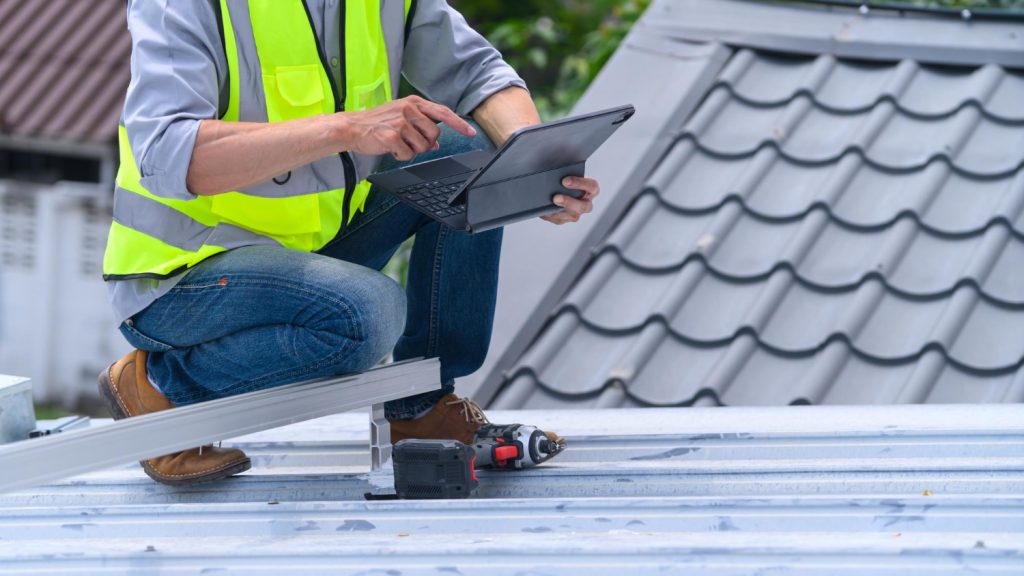
A small puddle may not look urgent, but repeated pooling can create trouble by adding weight and wearing down materials. During an inspection, we look closely at the areas where water tends to collect, including seams, flashing, drains, and roof penetrations. Recognizing the warning signs early can help you determine when flat roof repair in Fort Collins is needed and when maintenance may prevent a leak before winter.
How Standing Water Damages a Flat Roof Over Time
Water that stays on a roof can slowly weaken the materials designed to protect the building below. Roof membranes, seams, protective coatings, and flashing all face more stress when they stay wet for long periods. On an aging roof, persistent moisture may contribute to cracks, blisters, loose seams, or worn coatings.
The weight of water is another concern. Even a shallow pond can become heavier after another storm, melting snow, or a blocked drain. That added load stays on the roof deck and supporting components until the water finally drains or evaporates. If a low area continues to hold water, the problem can repeat every time precipitation falls.
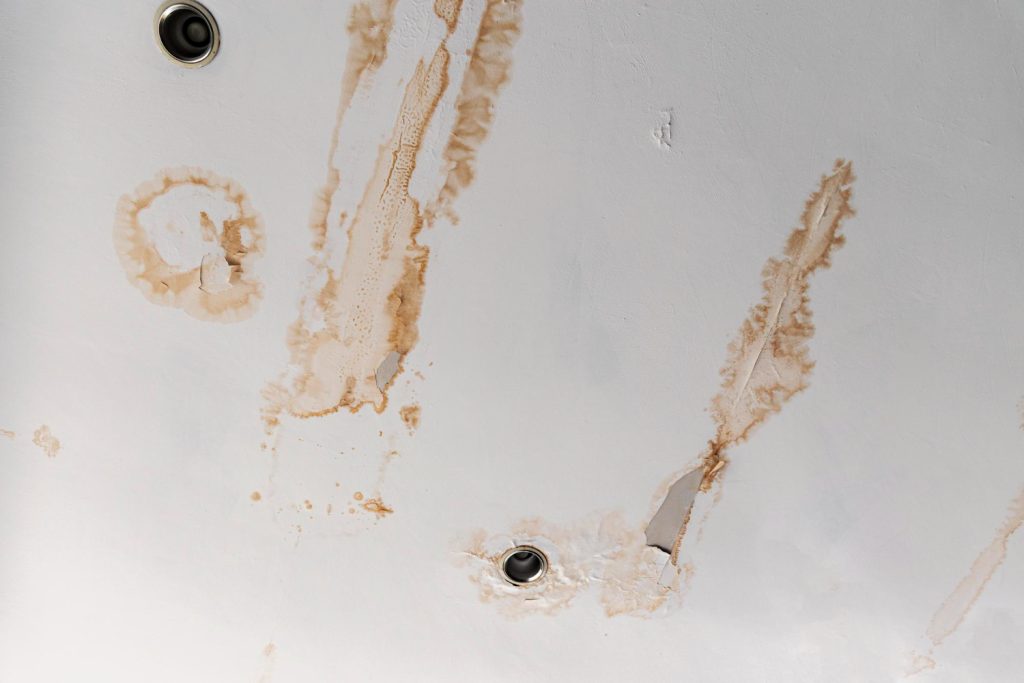
Damage is not always limited to the visible puddle. Water can move underneath roofing materials and travel away from where it entered. By the time you see a stain indoors, moisture may have already affected insulation, decking, or other hidden areas.
Signs of water infiltration can include:
- Ceiling or wall stains
- Damp insulation or musty odors
- Mold growth in moist areas
- Damaged stored items or inventory
- Electrical concerns near an active leak
We recommend treating indoor moisture as a roof warning sign, especially when it appears after rain, snowmelt, or a period of standing water.
Watch for These Signs of Flat Roof Drainage Problems
The clearest sign of a drainage problem is water that remains on the roof longer than two days after rain or snowmelt. Still, ponding water is not the only warning. During roof evaluations, we also watch for changes in the roof surface that suggest water is not moving where it should.
Common exterior signs include:
- Puddles near drains, scuppers, or roof edges
- Leaves, dirt, and windblown debris blocking drainage paths
- Sagging or visibly low roof areas
- Bubbling, blistering, or separating roofing materials
- Algae growth where moisture regularly collects
Inside the building, the signs can be less obvious. Water spots on ceilings or walls, peeling paint, damp insulation, elevated indoor humidity, and musty smells may point to a leak above. Because water can travel beneath a roof membrane, the interior symptom may not sit directly below the original problem area.
Autumn is a smart time to pay attention to drainage. Leaves and debris can collect quickly after windy weather, while early snowmelt may expose slow drains before temperatures drop. Once freezing weather arrives, trapped water can freeze, expand, and place more pressure on vulnerable seams and materials.
When Flat Roof Repair in Fort Collins Is Needed
Professional flat roof repair in Fort Collins should be considered when ponding water continues after 48 hours, indoor leaks appear, roofing materials pull apart, or drainage components are damaged. Waiting can allow a manageable repair to become a larger issue beneath the roof surface.
The right repair depends on what is causing the water to collect. A thorough inspection helps us identify whether the main issue is a blocked drain, damaged scupper, worn seam, puncture, failed flashing, or a low area that needs attention. In some cases, the repair may focus on restoring the roof surface. In others, improving drainage is the most important step.
Repair options may include clearing or repairing drains, resealing seams, replacing damaged flashing, patching membrane damage, restoring low areas, or making changes to help water move off the roof more effectively. If a coating has worn down, restoration may also be an option depending on the roof’s condition.
Not every ponding issue means the whole roof needs replacement. We often find that targeted repairs or ongoing maintenance can address the problem when the rest of the roofing system remains in workable condition. A professional assessment gives you a clearer picture of the roof’s condition and helps avoid guessing based only on what is visible from the ground.
Prevent Winter Ponding Before It Becomes a Leak
The best time to deal with drainage trouble is before snow and ice make the problem harder to spot and harder to repair. Seasonal roof maintenance gives us a chance to find clogged drainage paths, small membrane issues, and loose materials before winter moisture tests every weak point.
Before winter weather settles in, we recommend having a professional check:
- Drains and scuppers for leaves and debris
- Gutters and downspouts for blockages or damage
- Roof seams, flashing, and penetrations for separation
- Low areas where water repeatedly collects
- Signs of moisture inside the building
Small concerns can grow quickly during freeze-thaw cycles. Water may enter a minor crack, freeze as temperatures fall, and expand enough to widen the opening. Ice can also slow drainage and hold water against roof materials longer than usual. For homes with low-slope sections and commercial buildings with flat roofs, routine inspections are a practical way to catch these concerns early.
Standing water deserves attention before it becomes an interior leak or a structural concern. Keeping drainage paths clear, watching for warning signs, and arranging an inspection when ponding persists can help protect the roof through changing weather and extend its useful service life.
Restore Reliable Roof Protection
Interstate Roofing Fort Collins provides thorough assessments and practical solutions for flat roofing concerns. For dependable flat roof repair in Fort Collins, our team can address drainage-related damage and help restore your roof’s performance. Contact us to discuss your roof and arrange service.