Know What a No-Cost Inspection Should Deliver
A free roof inspection in Jacksonville should give you clear, useful information about your property, not vague promises or pressure to replace a roof that may still have life left. We believe a good inspection should explain what we see, what it may mean, and whether repair, maintenance, or replacement could be appropriate.
Roof checks are especially helpful after heavy rain, tropical weather, high winds, or months of intense sun and humidity. These conditions can wear on roofing materials in ways that are easy to miss from the ground. When choosing someone to inspect your roof, look for clear information about their qualifications, inspection process, and recommendations.
The Inspection Starts at the Roofline
The exterior roof surface is where a thorough evaluation begins. We look at the roofing material, visible age-related wear, and areas that may be exposed to water flow, wind, heat, and humidity. Different roof systems need different attention, whether you have shingles, tile, metal, or a flat commercial roof.
Certain roof areas tend to deserve extra scrutiny because they handle runoff or receive stronger wind exposure. During an inspection, we may review:
• Roof slopes, ridges, hips, valleys, and transitions
• Missing, lifted, cracked, curled, or worn shingles
• Soft spots, sagging areas, punctures, or exposed fasteners
• Ponding water on low-slope roofs and visible decking concerns
• Roof-edge materials, including drip edges and fascia
Flashing also matters more than many property owners realize. The metal and sealant around chimneys, vents, skylights, walls, and other roof openings help direct water away from vulnerable spots. Gaps, corrosion, cracked pipe boots, loose sealant, or poorly secured flashing can create a path for moisture to get inside.
Drainage is part of the picture, too. Clogged gutters, damaged downspouts, and loose roof-edge components can keep water where it does not belong. By the end of the visit, you should understand which exterior concerns need prompt attention and which ones can be watched over time.
Interior Clues Help Tell the Full Story
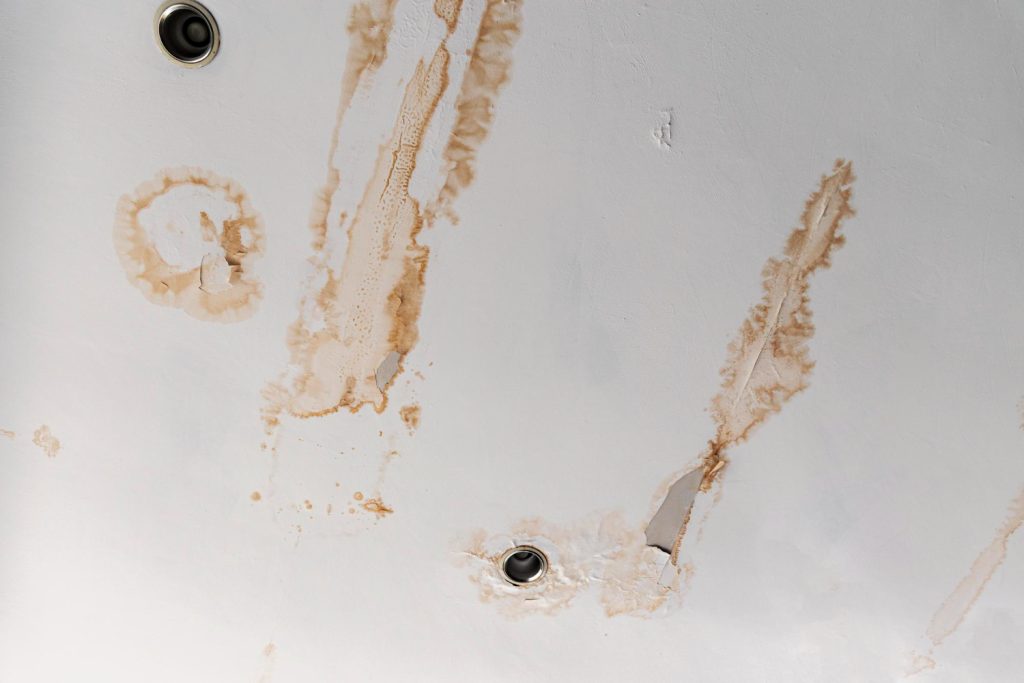
A roof can look fairly normal from outside while leaving warning signs indoors. That is why a reliable assessment may include accessible attic areas, ceilings, walls, and other places where moisture issues become visible. We do not assume every stain is a roof leak, but we know it deserves a closer look.
Attics can reveal a great deal about how a roofing system is performing. When accessible, an inspector may look for water stains, damp insulation, darkened wood, mold or mildew, poor ventilation, and daylight showing through the roof deck. Jacksonville’s humid conditions can make ventilation concerns more noticeable, especially when heat and moisture build up beneath the roof.
Inside the building, signs such as peeling paint, bubbling drywall, musty odors, ceiling stains, and active drips should be taken seriously. A trained roofing professional can help determine whether the source may be the roof, plumbing, condensation, or another exterior component. Identifying the source matters because treating the wrong problem can allow damage to continue.
The property around your roof also deserves attention. Overhanging limbs, storm-damaged branches, leaves in drainage paths, and debris collecting on the roof can all raise the risk of future trouble. A useful inspection explains both what is happening now and what conditions may cause problems later.
Clear Findings Build Confidence
The real value of an inspection comes from how well the findings are explained. You should leave with plain-language answers, supporting photos when available, and recommendations based on the actual condition of your roof. We do not believe a free inspection should automatically lead to a full replacement recommendation.
A clear report should separate concerns into practical categories:
• Urgent issues, such as active leaks, missing materials, or damaged flashing
• Repairs that should be planned soon before they worsen
• Maintenance needs, such as minor sealant wear or drainage concerns
• Cosmetic changes that may not require immediate work
Photos and written notes can make it easier to understand what was found, especially when the issue is in a hard-to-see roof area. Documentation may also be helpful if you need to speak with an insurance provider after storm damage. While we can identify visible signs of wind or debris damage, no contractor should guarantee that an insurance claim will be approved.
For commercial properties, the inspection may also point out maintenance priorities for a flat or low-slope roof. Small punctures, drainage problems, and worn seams can become disruptive leaks if they are ignored. Clear information helps you plan around tenants, building operations, and future roof needs without guesswork.
Use Fall to Prepare for Future Rain
Late October is a smart time for a free roof inspection in Jacksonville because hurricane season continues through November, and tropical rainfall, wind events, and thunderstorms can still affect local properties. Summer heat, heavy rain, and storm activity may have caused damage that has not yet led to a visible indoor leak.
Waiting for water to drip from a ceiling can turn a manageable repair into a larger restoration project. Small flashing gaps, weakened sealant, blocked drainage, and wind-lifted roofing materials may let water enter during the next major storm. Finding those concerns early can help protect insulation, drywall, framing, and belongings.
Fall also gives you time to handle roofing concerns before holiday travel, guests, and the busier end-of-year calendar. Commercial property managers can use this period to plan maintenance around tenant needs and reduce the chance of unexpected leaks disrupting daily operations.
Keep Small Roof Problems Small
Whether you have noticed a stain, found shingles in the yard, experienced storm damage, or simply want a professional opinion, a complete inspection should cover more than a quick glance from the ground. Exterior materials, flashing, drainage, accessible interior signs of moisture, and surrounding property conditions all help tell the story of your roof.
The most helpful takeaway is simple: ask questions, request clear documentation, and make decisions based on visible conditions rather than fear or guesswork. Addressing legitimate concerns while they are still small can help protect your property through the rest of the season and beyond.
Get Clear Answers for Your Commercial Roof
Interstate Roofing Jacksonville can help you understand your roof’s condition and priorities with a free roof inspection in Jacksonville. Our team evaluates commercial roofing systems with attention to the details that affect performance and planning. When you are ready to discuss your property’s needs, contact us to arrange an inspection.