Protect Your Gulfport Property Before Winter Storms
Late October is a smart time to look closely at your commercial roof. Gulfport may have mild winters, but the months ahead can still bring heavy rain, strong coastal winds, cooler nights, and leftover moisture from hurricane season. Those conditions can expose weak spots that were easy to miss during sunnier stretches.
Small roof problems rarely stay small for long. An opening at a seam, a clogged drain, or worn flashing can allow water into the roofing system and eventually into your building. We recommend proactive commercial roof maintenance in Gulfport so you can spot concerns before they disrupt tenants, damage inventory, or create a messy surprise during the holiday season.
Commercial roofs come in many forms, including flat, low-slope, and metal systems. Each one needs regular attention, especially near the coast. Our team looks for early warning signs that can affect roof performance before seasonal rain and wind put extra pressure on the system.
Ponding Water Reveals Flat Roof Drainage Trouble
Standing water is one of the clearest signs your roof needs attention. A flat or low-slope roof should move water toward its drainage points. When water remains on the surface for more than 48 hours after rainfall, something may be blocking that path or preventing proper drainage.
Ponding water can wear down roofing materials over time. It may stress membrane seams, add extra weight to the roof deck, and collect leaves, dirt, and other debris. In Gulfport’s humid coastal environment, wet areas can stay damp longer than expected, allowing minor drainage trouble to become a bigger maintenance concern.
During a professional roof visit, we look closely at the areas where water tends to gather. Maintenance may include checking drainage routes and examining the roof surface for problems that keep water from moving away as it should.
Watch for recurring issues such as:
- Water sitting in the same area after rain
- Drains or scuppers blocked by leaves or rooftop debris
- Overflowing gutters or downspouts
- Dark, dirty, or algae-prone spots on the roof surface
If you notice a pattern, document it after rainstorms. That information can help us identify whether the roof needs cleaning, repairs, drainage improvements, or surface corrections.
Membrane Damage Lets Coastal Moisture Spread
Flat commercial roofs often rely on membranes to keep water out. Damage can show up as cracks, punctures, blisters, wrinkles, open seams, or loose sections around rooftop equipment. Foot traffic from HVAC technicians, maintenance crews, and contractors can also leave behind small defects that are hard to notice from the ground.
Salt air, intense sunlight, wind-driven rain, and humidity can gradually wear on exposed roofing surfaces. Even a small opening can allow moisture beneath the membrane. Once water gets under the surface, it may travel away from the original damaged spot, making the source of a leak difficult to find.
That is why early attention matters. A visible indoor leak may be the last sign of a problem that has been developing outside for some time. As part of commercial roof maintenance in Gulfport, we inspect seams, penetrations, rooftop curbs, expansion joints, vents, and areas around mechanical units where moisture can enter.
Flashing Failures Put Roof Edges at Risk
Flashing protects the transitions where different roof components meet. It helps seal areas around parapet walls, roof edges, vents, skylights, drains, HVAC curbs, and other penetrations. These details may be small compared with the full roof surface, but they are common entry points for wind-driven rain.
After tropical weather or strong wind events, the primary roof may appear fine while the flashing has shifted or loosened. A lifted edge or cracked sealant bead can create a path for moisture that is not obvious from inside the building.
Signs that flashing may need maintenance include:
- Lifted metal at roof edges
- Cracked or missing sealant
- Rusted flashing or separated seams
- Loose counterflashing or missing fasteners
- Visible gaps around vents, curbs, and other roof penetrations
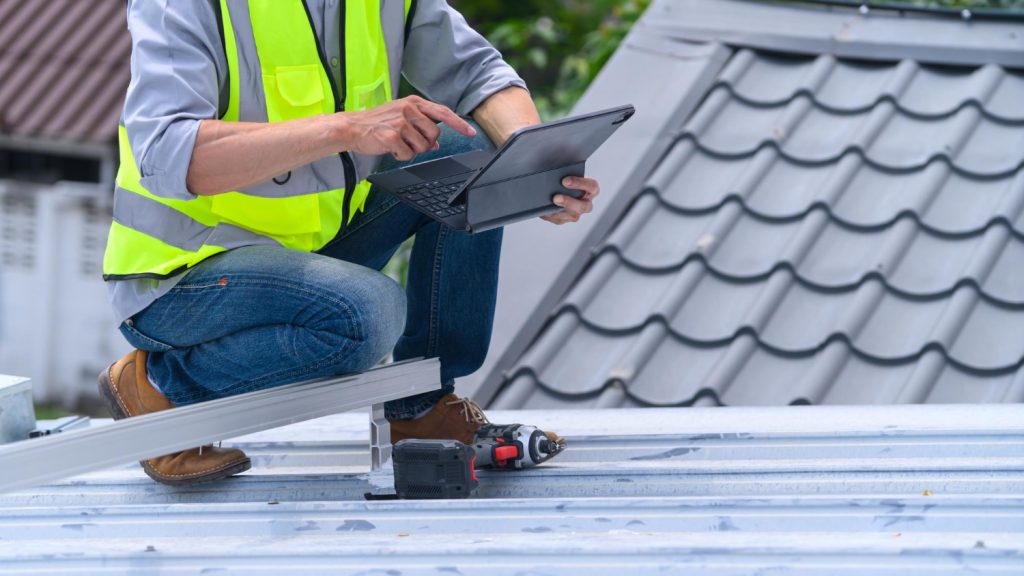
We do not recommend climbing onto a commercial roof to inspect these areas yourself. Roof edges and rooftop equipment can create safety concerns, and a trained professional can assess sealants, attachment points, and metal details without causing further damage.
Interior Clues Signal Hidden Roof Leaks
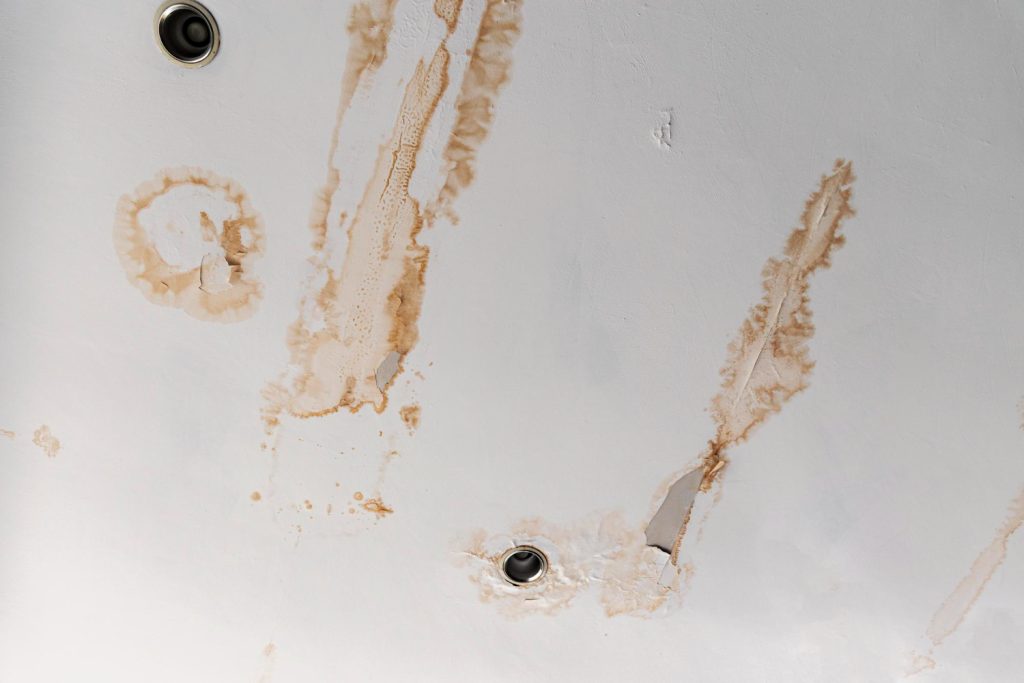
Not every roof issue begins with a visible puddle on the roof. Sometimes the first warning sign appears inside the building. Water stains on ceiling tiles, peeling paint, damp drywall, warped insulation, and musty odors can all point to moisture entering through the roofing system.
The visible stain is not always directly below the actual leak. Water can travel through roofing layers, insulation, and framing before it reaches a ceiling or wall. Replacing a stained ceiling tile without finding the source may leave the building open to more water damage during the next heavy rain.
Pay close attention to operational problems, including dripping near electrical fixtures, damp spots that return after storms, damaged inventory, slippery floors, or rooms that feel unusually humid. We recommend addressing these clues quickly so we can inspect the roof, identify likely entry points, and help limit disruption to your building and its contents.
Schedule Maintenance Before Small Problems Grow
Routine roof care can help your commercial property stay drier and more dependable through rainy, windy months. Before winter arrives on the calendar, a professional inspection can identify drainage concerns, membrane damage, flashing trouble, and hidden leak sources that may otherwise interrupt daily operations.
For coastal properties, regular attention is especially important because humidity, salt air, storms, and year-round sun can place added stress on roofing systems. A timely inspection gives you a clearer picture of your roof’s condition and helps you address small concerns before they lead to larger repairs.
Protect Your Roof Before Winter Weather Arrives
Interstate Roofing Tampa can help you create a practical maintenance plan that supports your building’s needs and budget. Learn more about commercial roof maintenance in Gulfport and the services available for your property. When you are ready to discuss your roof, contact us to schedule an assessment.