A chimney cricket that is too small, poorly shaped, or incorrectly flashed can send water exactly where it should not go, behind brick and beneath the roof system. Because this damage often starts out of sight, a small defect can turn into a leak that returns with every hard rain, snowmelt, or wind-driven storm.
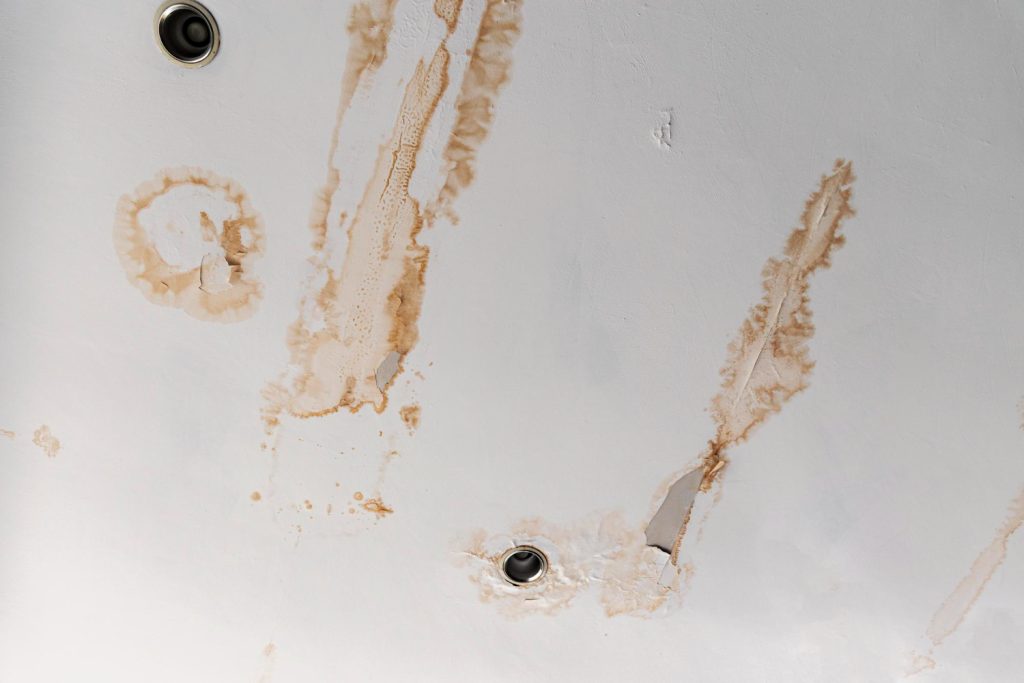
We often find that the ceiling stain is not the first sign of trouble. Water may already be affecting roof decking, insulation, framing, or the masonry around the chimney long before it becomes visible inside.
Protect Your Home From Hidden Chimney Leaks
A chimney cricket is a raised, peaked section built on the uphill side of a chimney. Its job is simple: redirect water, snow, and roof debris around the chimney instead of allowing it to collect where the roof meets the brick.
When we inspect a properly built cricket, we look for a shape and slope that move water away smoothly. The cricket must also work with the shingles, underlayment, and flashing around it. If one part of that system fails, water can slip beneath the roofing materials without leaving an immediate stain on your ceiling.
Late September is a smart time for Denver property owners to pay attention to chimney areas. Fall leaves, pine needles, and early moisture can collect behind a chimney before winter snow arrives. Catching drainage trouble early may help keep a minor issue from becoming a repeating winter leak.
How Chimney Cricket Defects Force Water Behind Brick
Water needs a clear path down the roof. Chimney cricket defects interrupt that path and can create a low area where water slows down, pools, or backs up. A cricket with inadequate slope, uneven framing, or poor sizing may hold water against the chimney instead of moving it around the sides.
Debris makes the situation worse. Leaves, granules, pine needles, and windblown material can pile up along cricket edges and form a small dam. Once water is trapped there, it has more time to work into weak spots.
Brick is durable, but it is not a waterproof barrier. Mortar joints and brick surfaces can absorb moisture, especially when water repeatedly stands against the chimney. From there, moisture may move through joints, behind flashing, or through small gaps where the roof connects to masonry.
Chronic leaks often behave in confusing ways because water can travel under shingles and underlayment before reaching the roof deck. We may see a leak disappear during dry weather, then return after snowmelt or a heavy storm. The stain or drip you notice indoors may be several feet away from the chimney cricket defects causing the problem.
Flashing Errors That Undermine Cricket Drainage
A well-shaped cricket cannot do its job if the flashing around it is failing. Step flashing, counterflashing, and cricket flashing must overlap in the right direction so water stays on top of the roof system and continues downhill.
Problems we commonly inspect for include:
- Missing, rusted, bent, or loose flashing
- Flashing laps that direct water beneath shingles
- Gaps where flashing meets brick or mortar joints
- Surface sealant that has dried, cracked, or pulled away
- Flashing that was not rebuilt during a past roof replacement
Around brick chimneys, flashing should be protected by properly installed counterflashing or integrated into masonry joints. A bead of sealant on the surface may look fine for a while, but temperature changes can cause brick, metal, and roofing materials to move differently. As those materials expand and contract, sealant can crack and flashing can loosen.
Roof replacement work can also reveal older defects. New shingles alone do not solve a chimney leak if the cricket, underlayment, or flashing transition underneath remains damaged. When we assess a chimney area, we consider the whole water-management system, including roofing materials, flashing overlaps, mortar joints, and the roof deck below.
Clues That Point to Chimney Cricket Defects
Some warning signs are visible from the ground, especially after rain or snow. You may notice dark staining on shingles behind the chimney, debris collecting in one spot, moss growth, damaged shingles, or visible gaps in metal flashing. Water marks on brick near the roofline can also point to repeated moisture exposure.
Avoid climbing onto a steep, wet, or debris-covered roof to inspect these areas. A close evaluation is safer when handled by roofing professionals who can examine the chimney transition without causing further damage.
Inside, signs can be subtle. Keep an eye out for:
- Ceiling or wall discoloration near the chimney chase
- Peeling paint or bubbling finishes
- Damp attic insulation near the chimney
- Musty odors in the attic or upper rooms
- Drips that appear after wind-driven rain or melting snow
No visible ceiling stain does not mean the roof is dry. Water may move along rafters, decking seams, or framing before it reaches a place where you can see it. That is why we look beyond the obvious drip and inspect the cricket, flashing, roof covering, attic, and nearby masonry together.
Denver Weather Makes Small Leaks Worse
Denver roofs face changing conditions that can expose small weaknesses around chimney penetrations. Heavy rain, hail, strong winds, snow accumulation, and fast temperature swings all place stress on shingles, flashing, sealants, and mortar.
Freeze-thaw cycles are especially hard on areas where water gets trapped. Moisture behind a chimney can freeze overnight and expand inside tiny openings around flashing or masonry. When temperatures rise, melting snow can feed more water into those widened gaps. Repeated through the colder months, that cycle can turn a small drainage issue into a larger repair.
Fall maintenance gives us a chance to spot loose shingles, aging flashing, debris buildup, and water-holding areas before severe winter conditions arrive. For Denver and Front Range properties, clearing debris and evaluating chimney drainage before snow season can help protect the roof deck from prolonged moisture exposure.
Get Ahead of Chimney Leaks Before Snow Arrives
If you have seen water stains, deteriorating flashing, missing shingles, or debris gathering behind a chimney, a professional roof and chimney inspection can identify what is happening beneath the surface. The needed work may involve a targeted flashing repair, a cricket rebuild, masonry repairs, or restoration of damaged roofing materials.
Lasting repairs should address the full path water takes across the roof. Proper slope, sound underlayment, correctly layered flashing, intact shingles, and stable brick and mortar all need to work together. Addressing chimney cricket defects before winter moisture builds up can help prevent a recurring leak from becoming hidden structural damage.
Stop Recurring Leaks at Their Source
At Interstate Roofing Denver, we can assess the condition of your roof and recommend practical repairs for chimney cricket defects. Our team looks for the related roofing details that may be contributing to water intrusion. To discuss your repair needs, contact us today.