Protect Your Roof Before Fall Storms Arrive
Straight-line wind damage can begin at your roof’s edges long before you see shingles scattered across the yard. As stronger cold fronts and thunderstorms move through Kansas City in early fall, sudden wind events can put pressure on small, exposed roof components that are easy to miss from the ground.
Straight-line winds are powerful winds that push outward in one direction. They can occur during severe thunderstorms, downbursts, and other storm systems, and they do not need a tornado to damage a roof. We often find that the first signs of trouble appear along the roof rake, where wind can loosen materials and create an opening for future shingle loss or water intrusion.
Roof Rakes Absorb the First Burst of Wind
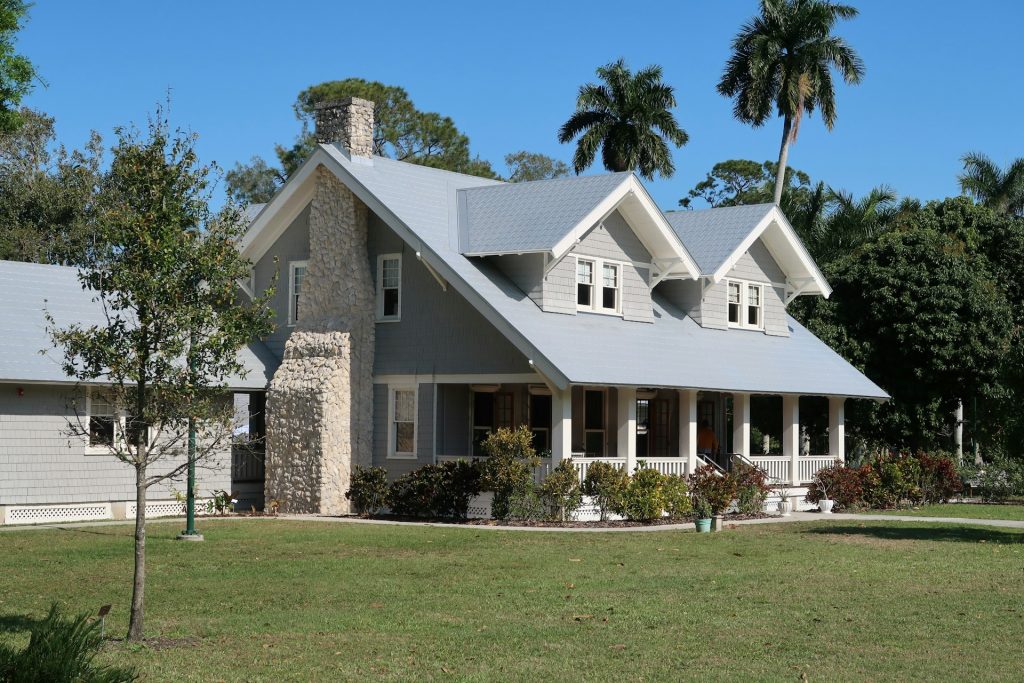
A roof rake is the sloped edge along the side of a gable roof, where the roof surface meets the gable end wall. These angled edges are especially exposed when wind moves across and around the roof. Instead of hitting every part of the roof the same way, a strong gust can concentrate pressure near corners, ridges, and rakes.
When wind catches the edge of a shingle, it can push underneath it and pull upward. That force may lift a metal drip edge, loosen fasteners, break the seal between shingles, or put strain on the fascia board behind the roof edge. An entire row of shingles does not have to blow away for damage to begin.
Rake areas may be more likely to show problems when a roof already has wear from age, previous storms, poorly sealed shingles, or fastening issues. During a professional inspection, we look beyond the visible edge to see whether the concern is limited to the outer materials or reaches the underlayment and roof decking below.
Why Straight-Line Wind Damage Starts Along Roof Rakes
Wind changes speed and direction as it passes over a roof. At exposed transition points, including roof corners, rakes, and ridges, that movement can create a pulling effect. The shingles and metal pieces at these edges have less protection than materials located farther toward the middle of the roof.
Damage often develops in stages. A storm may first loosen a few tabs or lift part of the drip edge. Then, the next round of high winds can catch beneath those weakened materials and pull up a larger area. What began as a small edge issue can eventually lead to missing shingles, exposed underlayment, or a leak.
After a strong storm, we recommend watching for warning signs such as:
- Shingles that look lifted, creased, cracked, or uneven along a gable edge
- Bent or loose drip edge metal near the sloped sides of the roof
- Nails, shingle pieces, or metal fragments found around the property
- Cracked fascia boards or gutters that have pulled away from the roofline
A roof can still look mostly intact from the sidewalk while these smaller signs point to straight-line wind damage. That is why a closer assessment matters after severe weather.
Small Rake Failures Can Become Shingle Loss
Once a rake shingle loosens, the shingles beneath it may lose part of their protection from wind uplift. Future gusts can reach under the edge more easily, lifting nearby shingles and stressing the fasteners that hold them in place. Over time, shingles may crease, crack, separate, or blow off.
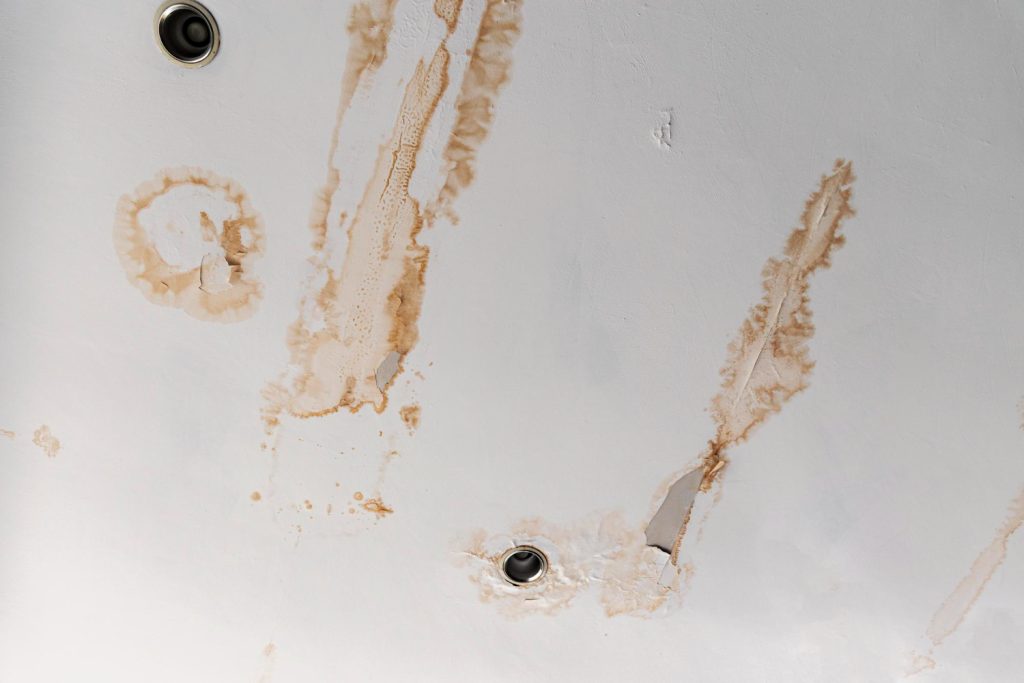
Water is another concern. Wind-driven rain can enter beneath lifted shingles or damaged drip edge, even if there is no obvious hole in the roof. Moisture may affect the underlayment, roof decking, attic insulation, or interior ceilings if the issue is left in place through more storms.
For safety, we do not recommend climbing onto a roof after high winds. From the ground, you can look for fallen materials, new water stains on ceilings, displaced gutters, or changes along the roofline. If something looks different, a qualified roofing professional can examine the rake and surrounding roof components without putting you at risk.
Document Wind Damage Before Repairs
Clear documentation can be helpful before repairs begin. Once it is safe to go outside, take dated photos from the ground of anything you can see. Include the roofline when possible, along with fallen shingles, bent gutters, cracked fascia, water spots, and storm debris around the property.
A professional inspection report can provide a fuller picture of what happened. We can evaluate shingles, flashing, drip edge, decking, and other areas that may not be visible from below. This helps you understand whether the wind damage is isolated to an edge material or part of a broader roofing concern.
If you believe storm damage may be involved, review your insurance policy and contact your insurer when appropriate. No one can promise how an insurance claim will turn out, but timely photos and a professional assessment can help you make informed decisions about the next steps.
Get Your Roof Checked After the Next Storm
Strong winds can move through Merriam with little warning, and small roof rake problems can worsen when the next storm arrives. Addressing a lifted shingle, loose drip edge, or damaged fascia early may help prevent water entry and wider shingle loss later.
After a wind event, pay attention to changes around your roof edges instead of waiting for a visible leak. A prompt professional inspection can identify hidden concerns while repairs may still be limited, helping protect your home or commercial property before fall and winter weather adds more stress.
Protect Your Roof’s Vulnerable Edges
Interstate Roofing Merriam provides experienced evaluations and repair solutions for straight-line wind damage affecting roof rakes and other exposed areas. Our team can assess the condition of your roofing system and explain practical next steps for your property. To discuss your concerns with our team, contact us today.