Choose a Roof Ready for Monument’s First Heavy Snow
Metal roofing and asphalt shingles can both protect a Monument property through winter, but they handle snow differently. Your roof material affects snow buildup, water drainage, ice near the eaves, and the amount of attention the roof may need after a storm. The best fit depends on your roof pitch, framing, drainage layout, exposure to wind, and long-term plans for the property.
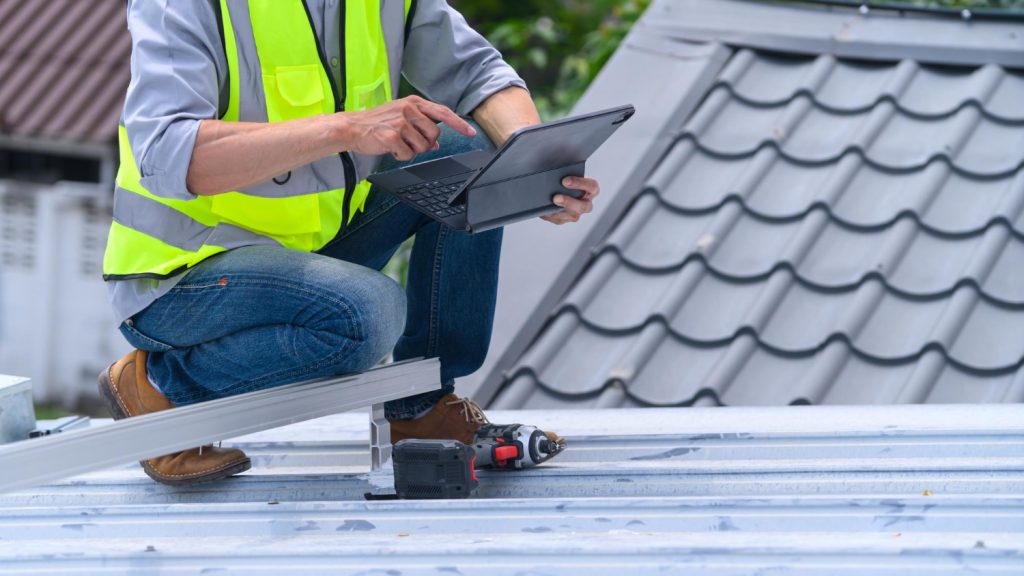
Late October is a smart time to look closely at roof conditions before regular freeze-thaw cycles and heavier snow make repairs harder. At Interstate Roofing Colorado Springs, we provide residential and commercial inspections, and we often see small concerns become much harder to address once snow and ice settle in.
Snow load is about more than the depth you can see from the ground. Wet snow can weigh heavily, wind can create deep drifts, and ice can collect in valleys or low areas. Existing drainage trouble may also allow moisture to stay where it should be moving off the roof.
Snow Shedding Changes Winter Roof Loads
Metal roofing usually has a smoother surface than asphalt shingles. As a result, snow may release more easily from metal panels, especially on a steeper roof with sunlight and changing temperatures. That can reduce the time snow remains on the roof, but it does not mean every metal roof sheds snow at the same speed.
Several details affect how snow moves across a roof:
- Roof pitch and panel profile
- Snow depth, temperature, and sun exposure
- Valleys, lower roof sections, and additions
- Gutter placement and drainage paths
- Snow guards near entrances, walkways, and landscaping
Asphalt shingles have a textured surface that creates more friction. Snow often stays in place longer after a Monument storm. That is not always a problem. In some situations, gradual melting can be easier to manage than a large amount of snow sliding off at once. Still, the roof structure carries that snow for a longer period.
No matter which material you choose, framing and structural capacity matter. We recommend having a professional look at roof valleys, low-slope transitions, additions, and drainage points before winter. These areas can behave differently than the main roof plane and may need more attention.
Why Metal Roofing in Monument Appeals to Many Property Owners
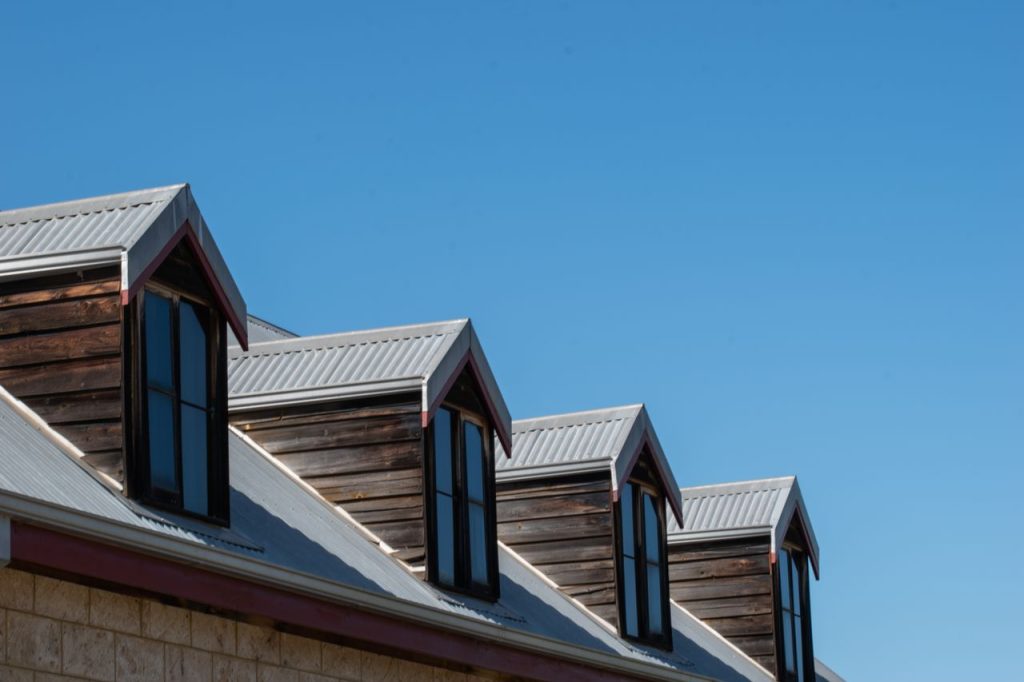
Metal roofing in Monument is often appealing when you want a durable roof system that can handle changing Colorado weather. Properly installed panels can resist many common forms of weather-related wear, including cracking and warping. They can also perform well through bright sun, strong wind, hail, snow, and moisture when the full roofing system is designed correctly.
The panels are only one part of that system. Winter performance also depends on the details underneath and around the metal, including underlayment, ice-and-water protection, flashing, ridge work, ventilation, fasteners, and seals around roof penetrations. A weak detail in any one of these areas can allow moisture into places it does not belong.
Fast-moving snow is one of the biggest planning points with metal. Snow guards may be needed to help control how snow releases above doors, sidewalks, decks, driveways, lower roof sections, and planted areas. Without thoughtful planning, a roof that sheds snow efficiently can create a safety concern below.
Metal systems also need experienced installation. Panel layout, flashing design, and snow retention should fit the shape of the building rather than follow a one-size-fits-all plan. This is especially important on roofs with multiple slopes, chimneys, skylights, valleys, or unusual transitions.
Asphalt Shingles Offer Familiar Protection and Repair Options
Asphalt shingles remain a common choice for steep-slope residential roofs in Monument. Modern architectural shingles offer a traditional look with many color and style options. When they are installed with appropriate ventilation, drainage, and flashing, they can provide dependable protection through normal snow, rain, and wind.
Their layered, textured surface holds snow longer than metal, which means the roof may carry winter weight for a longer time after a storm. That makes a sound roof deck, dependable drainage, and proper attic conditions especially important.
Shingles can also be practical when damage is limited to one section of the roof. Isolated repairs may be possible after some storm events. However, older shingles may not match new materials exactly because of fading, weathering, or changes in available products.
During a prewinter inspection, we look for concerns that may worsen when ice and snow arrive, such as:
- Lifted, loose, or missing shingles
- Granule loss and worn shingle surfaces
- Exposed nails or damaged flashing
- Worn seals around vents and penetrations
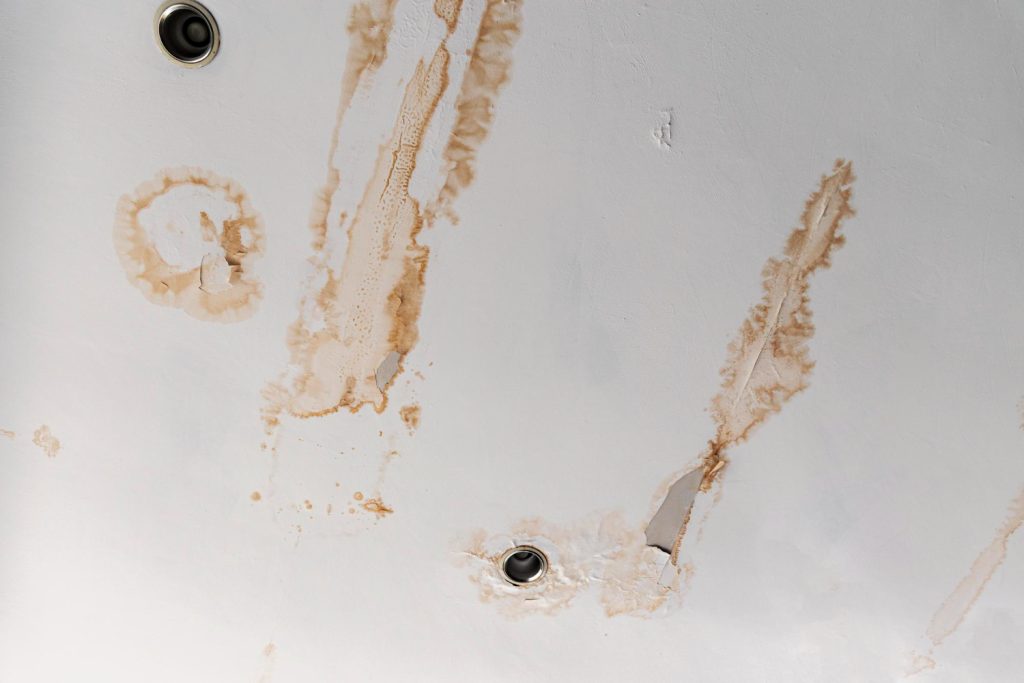
- Water staining or signs of drainage trouble near eaves
Catching these issues before repeated freezing and melting begins can help prevent a minor roof concern from becoming an interior leak.
Ice Dams and Roof Details Matter More Than Material Alone
Choosing between metal and shingles involves more than how each roof looks from the street. Service life, storm exposure, maintenance needs, roof shape, deck condition, and the property owner’s plans all play a part in the decision. A roof with complicated valleys and low sections may need a different approach than a simple, steep gable roof.
Ice dams deserve special attention in Monument’s freeze-thaw conditions. They are often tied to heat loss from the home or building, uneven attic temperatures, and limited ventilation, not just the roofing material itself. Both metal and asphalt systems benefit from sound insulation, airflow, drainage, and ice-and-water protection in vulnerable areas.
For metal roofs, panel choice, snow guards, flashing, and gutter placement should all work together. For shingle roofs, ventilation, underlayment, eave protection, and the condition of the shingles can make a major difference. The goal is not simply to choose a material, but to build a roof system that fits the property.
Schedule a Prewinter Roof Assessment Before Snow Arrives
Before winter weather becomes more severe, a professional assessment can identify loose materials, small leaks, worn seals, storm damage, clogged drainage areas, and flashing concerns. We inspect residential and commercial roofs throughout the Colorado Springs area, including roof surfaces, gutters, ventilation-related conditions, and areas where water may collect or back up.
The right choice between metal roofing and asphalt shingles should reflect your property’s snow-management needs, roof design, and plans for the years ahead. Addressing existing issues before heavy snow arrives gives your roof the best chance to manage winter moisture, ice, and changing temperatures.
Get a Roof Built for Your Property
Interstate Roofing Colorado Springs can help you compare materials, installation needs, and long-term performance for metal roofing in Monument. Our team provides clear recommendations based on your home’s structure and priorities. Contact us to discuss your replacement project with an experienced roofing professional.