Heavy monsoon rain can leave roof damage that is easy to miss from the ground. Wind-driven debris, hail, sudden temperature changes, and hard rain can weaken shingles, flashing, drains, and areas around vents. By late October, it is wise to find and address those concerns before freezing nights, winter rain, snow, and wind turn a small opening into a larger leak.
A prompt inspection helps protect more than the roof itself. It can help prevent damage to ceilings, insulation, framing, and belongings inside your property. Early attention after storm season can often mean simpler repairs before colder weather arrives.
Spot Warning Signs Left by Monsoon Storms
Start with a careful look from the ground after a storm, especially around roof edges and areas below trees. Strong winds can lift shingle edges, loosen protective granules, and expose materials that should stay covered. We recommend watching for visible changes such as:
- Missing, cracked, curled, or lifted shingles
- Granules collecting near downspouts or along roof edges
- Bent or displaced flashing around chimneys, skylights, and vents
- Debris resting in valleys or near drainage areas
- Damaged roofing materials after hail or falling branches
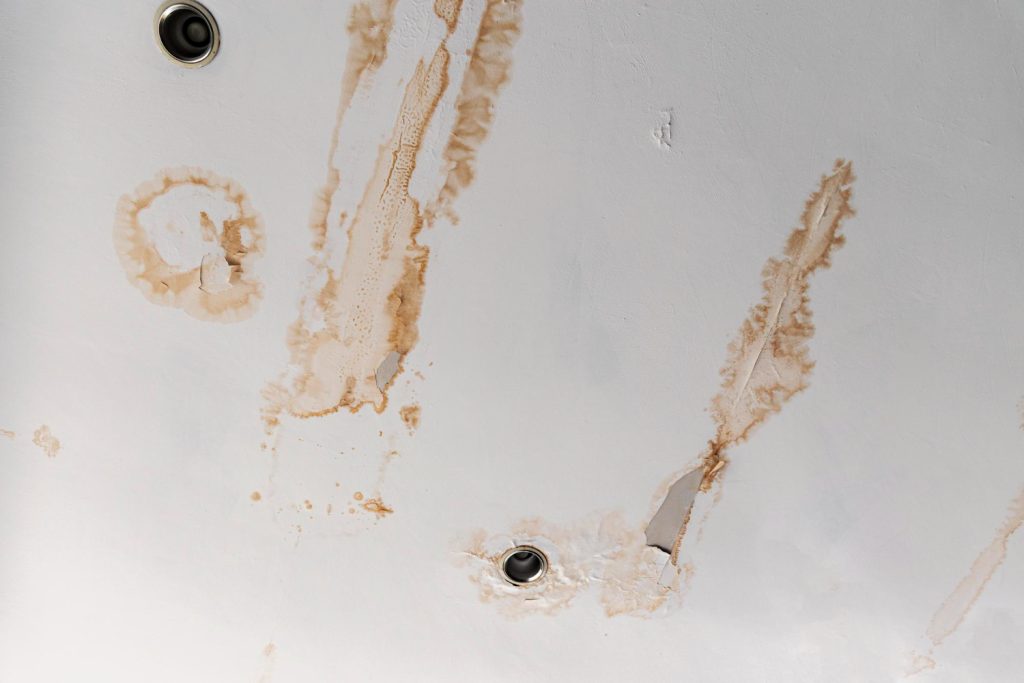
Indoor clues matter just as much. Water stains on ceilings, peeling paint, damp attic insulation, musty odors, or visible drips can all point to a roof leak. The stain may not sit directly below the damaged spot because water can travel along roof decking or rafters before it reaches the ceiling.
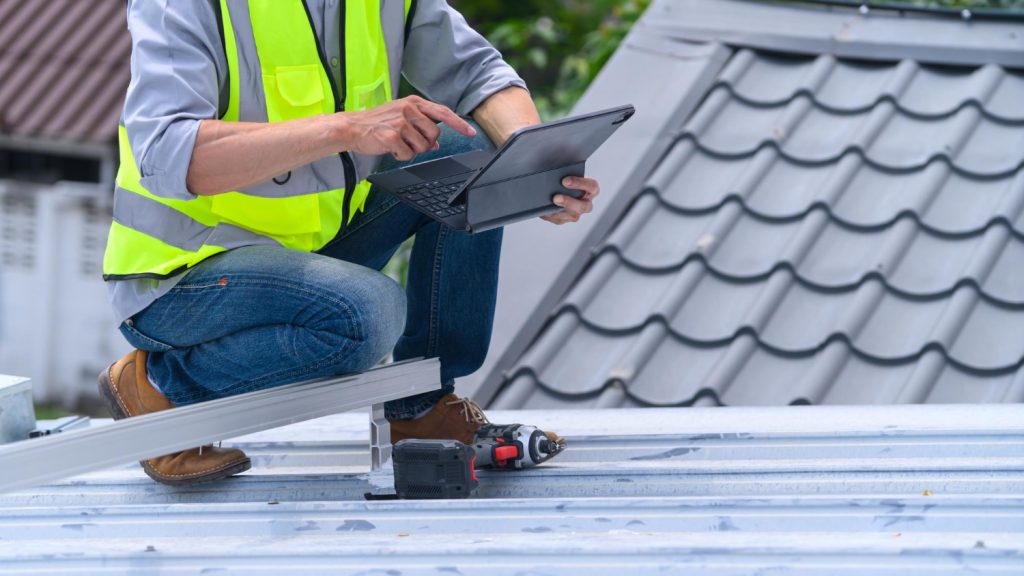
For roof repair after monsoon damage in Albuquerque, early professional evaluation can uncover trouble that is not obvious from below. Take photos of anything you can safely see after a storm, but do not climb onto a wet, steep, or visibly damaged roof. That work is safer left to qualified roofing professionals.
Repair Flashing, Shingles, and Drainage Before Freezes
Flashing deserves close attention after monsoon season. This material creates a water-resistant barrier where the roof changes direction or meets another surface, including around chimneys, vents, skylights, valleys, and walls. When flashing bends, loosens, corrodes, or loses its seal, water can slip beneath roofing materials that otherwise look sound.
Damaged shingles need timely repair as well. A small missing section, a cracked shingle, or wind-lifted edge can expose the underlayment and roof deck to moisture. Depending on the condition of the roof, we may recommend replacing damaged shingles, resealing vulnerable edges, repairing punctures, or correcting lifted areas before winter moisture reaches deeper layers.
Drainage should not be overlooked. Leaves, grit, broken branches, and other monsoon debris can clog gutters, downspouts, scuppers, and roof drains. When water cannot move off the roof as intended, it can collect near edges and penetrations, putting more pressure on materials and seams.
Protect Flat and Low-Slope Commercial Roofs
Commercial roofs have their own post-monsoon concerns. Flat and low-slope systems can hold standing water when drains are blocked, membranes are damaged, or low spots develop on the roof surface. Ponding water can wear on roofing materials and eventually find a path through seams, penetrations, and weakened flashing.
Rooftop equipment areas deserve particular care. HVAC units, pipe penetrations, equipment curbs, and access points are common places for wind-driven rain to enter if seals or flashing have been disturbed. During an inspection, we look beyond the open roof field to identify these higher-risk transition points.
Common repair needs may include:
- Sealing separated or worn membrane seams
- Repairing punctures and damaged roof coatings
- Clearing blocked drains and drainage paths
- Addressing loose flashing around rooftop equipment
- Evaluating areas where water has collected after storms
For building owners seeking monsoon damage roof repair in Albuquerque, a timely inspection can help reduce the chance of interior disruptions, tenant concerns, damaged inventory, and emergency work during colder weather. A careful evaluation can give property owners added confidence when considering commercial roofing work.
Know When Repair or Replacement Makes Sense
Not every storm-damaged roof needs to be replaced. When damage is limited to a few shingles, a small flashing failure, or an isolated membrane puncture, targeted repairs may be a practical solution if the overall roof is in good condition. We assess whether the problem is contained or whether it points to a larger issue beneath the surface.
Replacement may be worth considering when roofing materials are aging, leaks keep returning, shingle damage is widespread, or storm conditions have affected a large portion of the system. Compromised decking, recurring drainage problems, and repeated repairs can also signal that patching individual spots may not provide dependable long-term protection.
A clear explanation matters before any decision is made. We encourage you to ask how the roof’s age, material type, storm damage, drainage performance, and maintenance needs affect the recommendation. Understanding those details helps you avoid delaying work until winter weather turns an existing weakness into an emergency.
Schedule a Pre-Winter Roof Inspection
The weeks after monsoon season are a smart time to assess what heavy rain, wind, hail, and debris may have left behind. We inspect residential and commercial roofs throughout Albuquerque and surrounding New Mexico communities, helping property owners understand the condition of their roofing systems and the repairs that may be needed before winter.
Quick attention to loose shingles, damaged flashing, drainage blockages, and signs of leaks can help protect your property during colder months. Addressing concerns while conditions are manageable gives you a clearer picture of what needs repair and helps reduce the risk of water getting farther into the roof system.
Protect Your Roof Before Winter Weather Arrives
Interstate Roofing Albuquerque can assess storm-related concerns and recommend repairs suited to your roof’s condition. For dependable monsoon damage roof repair in Albuquerque, our team is ready to help restore protection where it is needed. Contact us to schedule an inspection and discuss your repair options.