Stop Hidden Attic Heat From Shortening Roof Life
Shingle damage does not always start where you can see it. In Georgia homes, trapped heat and moisture in the attic can put stress on the roof deck and shingles from below, especially after long stretches of sun, humidity, and rain.
We often find that a roof can look mostly fine from the ground while the attic tells a different story. Poor airflow may contribute to faster shingle aging, uneven indoor comfort, moisture concerns, and a roof that needs major attention sooner than expected.
Why Attic Ventilation in Georgia Protects Shingles
An attic needs a steady path for air to move through it. A balanced ventilation system generally lets outside air enter near the lower edge of the roof, then allows hot, humid air to leave near the roof’s upper areas. When that airflow is interrupted, heat can collect beneath the roof deck.
On a sunny afternoon, an under-ventilated attic may become much hotter than the outdoor air. That trapped heat transfers into the roof deck and asphalt shingles, adding stress day after day. The shingles may still look intact at first, but the materials underneath are working harder than they should.
Intake vents, often located in soffit areas, are an important part of the system. They bring in outside air so warmer air can rise and escape. Without enough intake, even well-placed exhaust vents may not perform as intended.
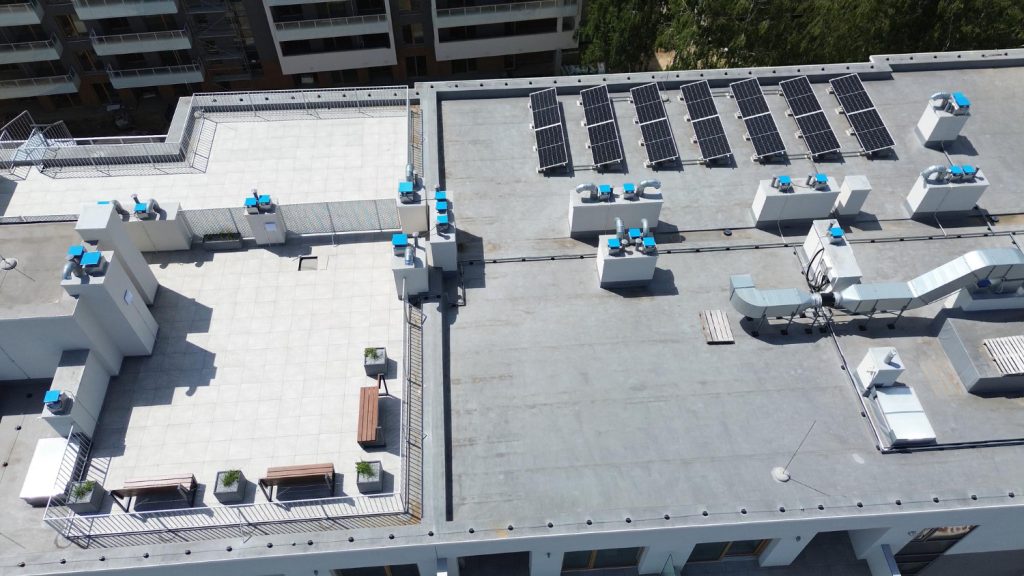
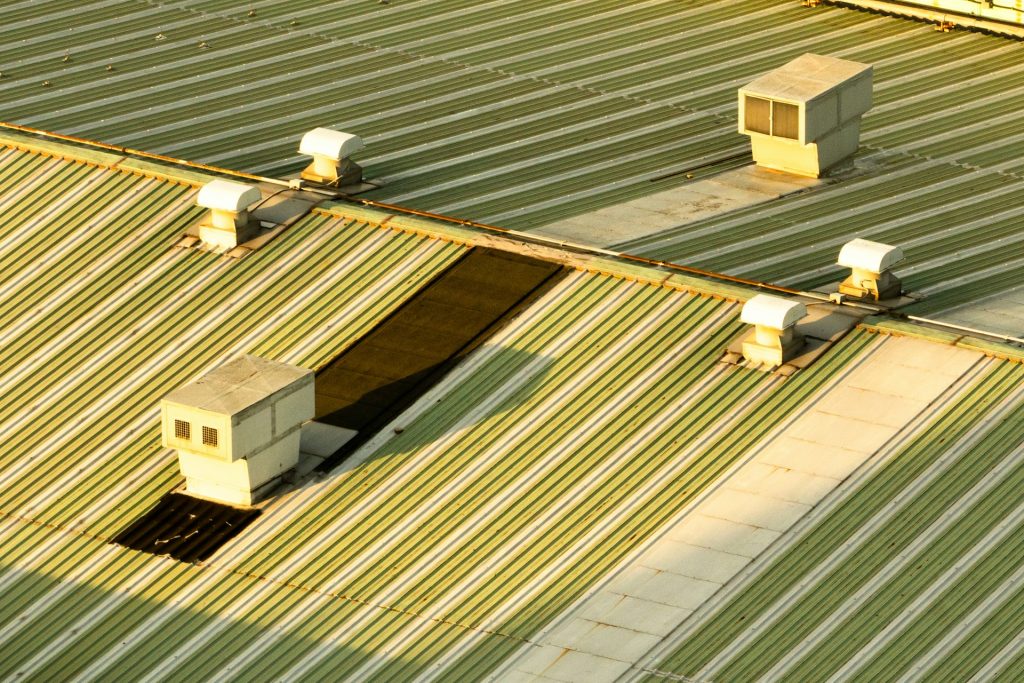
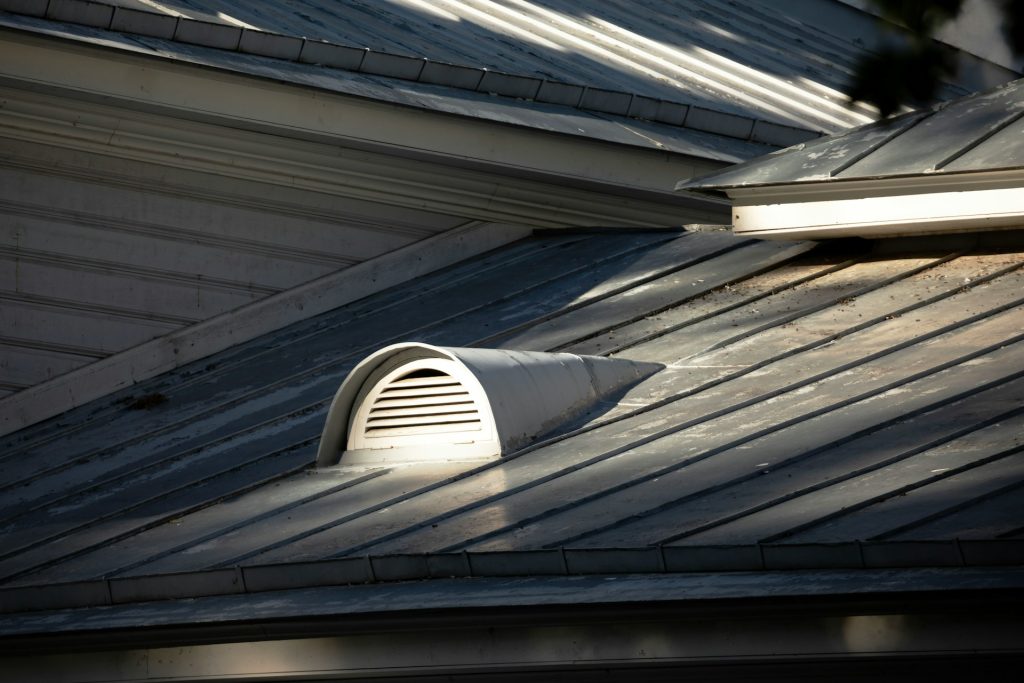
Exhaust ventilation may include ridge vents, box vents, or other options suited to the roof. The right setup depends on several details, including:
- The roof’s shape and slope
- The attic’s layout and available airflow paths
- Insulation placement and condition
- Existing vent locations and possible blockages
- Local building requirements and roof design needs
We do not recommend adding vents at random. A roof needs the right balance between intake and exhaust, not simply more openings.
Heat and Humidity Damage Shingles From Below
Georgia roofs deal with a demanding mix of sunlight, high temperatures, humid air, heavy rain, and seasonal storms. Asphalt shingles already expand as they heat up and contract as temperatures change. When extra heat stays trapped in the attic, that normal movement can become more stressful over time.
Thermal cycling is one reason this matters. During the day, shingles can become very hot under direct sun. After an afternoon rainstorm, temperatures may shift quickly. If the attic remains overheated, the roof deck and shingles experience added strain from above and below.
Over time, prolonged heat may leave shingles less flexible. We may see signs such as curling edges, cracking, brittleness, blistering, or granules collecting in gutters. Granule loss can make shingles less prepared to handle regular sun exposure and heavy rain.
Humidity adds another concern. Warm, moist air in an attic can settle on cooler surfaces during seasonal temperature changes. Persistent condensation can affect parts of the roofing system that homeowners rarely see, including:
- Roof decking
- Insulation
- Fasteners and framing connections
- Ventilation components
- Areas around roof penetrations
Moisture inside the attic does not automatically mean there is a roof leak. It can also point to airflow problems, blocked vents, or bathroom exhaust fans that are not routed properly. A professional evaluation helps separate one issue from another.
Warning Signs of Poor Attic Ventilation in Georgia
Poor attic ventilation in Georgia can show up outside, inside, or both. A single symptom does not always prove ventilation is the cause, but patterns are worth paying attention to before a small concern grows.
From the exterior, warning signs may include curled shingles, uneven shingle aging, recurring roof repairs, warped decking, or heavy granule buildup in gutters. Wind, age, installation concerns, and storm damage can create similar issues, which is why we look at the entire roofing system rather than blaming one part right away.
Inside the home, you may notice rooms that stay warmer than expected even when the AC is running. High summer cooling bills, musty smells, damp insulation, visible condensation, mildew, or a stuffy attic can also point to unwanted heat or moisture buildup.
Attics can be difficult and unsafe places to inspect without the right experience. Walking in the wrong area, stepping off framing, or disturbing insulation can create hazards. Instead, we recommend having a qualified roofing professional assess conditions such as soffit intake, exhaust vent placement, insulation coverage, roof deck condition, and blocked airflow paths.
Fall Storms Can Expose Existing Ventilation Problems
By fall, Georgia roofs have already spent months dealing with intense sun and humid weather. Shingles that became dry, brittle, or curled during the hottest part of the year may be more likely to show weakness when heavy rain and strong winds move through.
Wind-driven rain can find its way beneath shingles that are no longer lying flat. Storms may also expose weak areas around vents, valleys, and roof edges. While ventilation does not prevent all storm damage, it can help support healthier roof materials before bad weather arrives.
Leaves and debris deserve attention this time of year as well. Mature trees can drop material into gutters, valleys, and around soffit areas, affecting both drainage and airflow. A seasonal roof review should consider more than the shingles alone. Gutters, ventilation pathways, roof penetrations, and attic conditions all work together.
After the hottest months have passed, an inspection can help identify heat-related wear, moisture concerns, and storm effects that may not be obvious from the driveway. Catching those signs early gives you a clearer picture of your roof’s condition before damage spreads farther into the system.
Schedule a Ventilation Review Before Shingle Damage Spreads
Attic ventilation is not just an attic comfort issue. It is part of overall roof performance. Balanced airflow can help limit excess heat beneath shingles, reduce moisture concerns, support more even temperatures indoors, and protect the roof deck that supports everything above it.
Understanding how intake, exhaust, insulation, and moisture sources interact explains why shingles can age unevenly. Balanced attic airflow helps manage heat and humidity beneath the roof deck, supporting steadier roof performance through Georgia’s sun, rain, and seasonal storms.
Protect Your Roof With a Professional Assessment
Interstate Roofing Alpharetta can identify ventilation concerns and related roof conditions during a roof inspection for attic ventilation in Georgia. Our team will assess visible warning signs and provide clear recommendations based on your roof’s needs. To discuss your concerns with our team, contact us today.