A commercial roof can look fine from the ground while small weaknesses are already letting in moisture. As November brings colder temperatures to Blue Springs, freezing conditions, snow, ice, and repeated freeze-thaw cycles can turn those weak spots into disruptive leaks.
Choosing between a roof coating and a full replacement is more than a maintenance decision. It can affect how well you protect your building, manage your operating budget, control indoor comfort, and avoid interruptions for tenants, employees, or customers. We help property owners look beyond the surface and make practical choices based on the roof’s real condition.
When Commercial Roofing in Blue Springs Can Benefit From Coatings
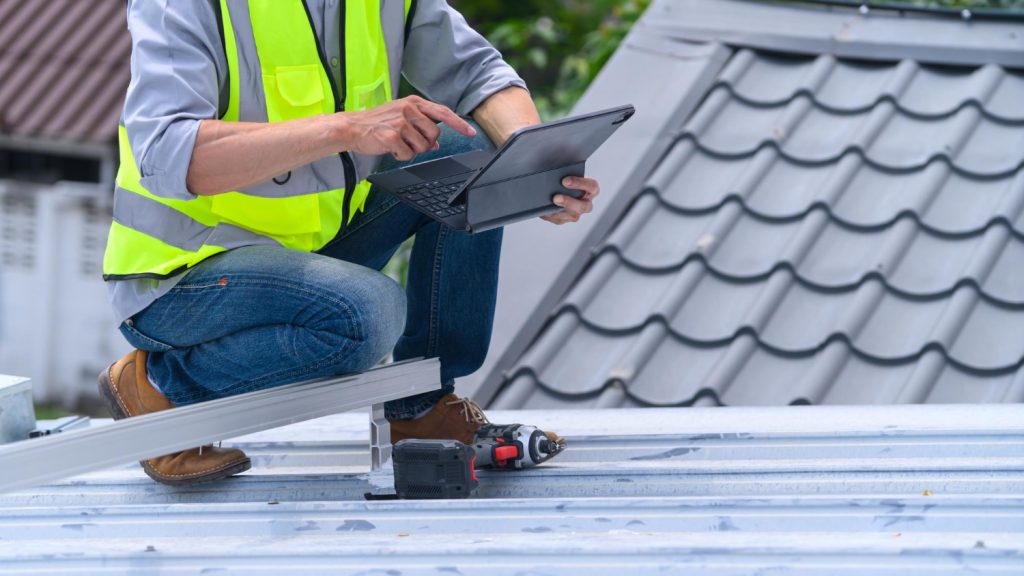
A roof coating can be a good option when the existing roofing system still has a sound foundation. Before we recommend a coating, we inspect the roof deck, membrane, seams, flashing, and penetrations to see whether the roof is dry, secure, and in generally stable condition.
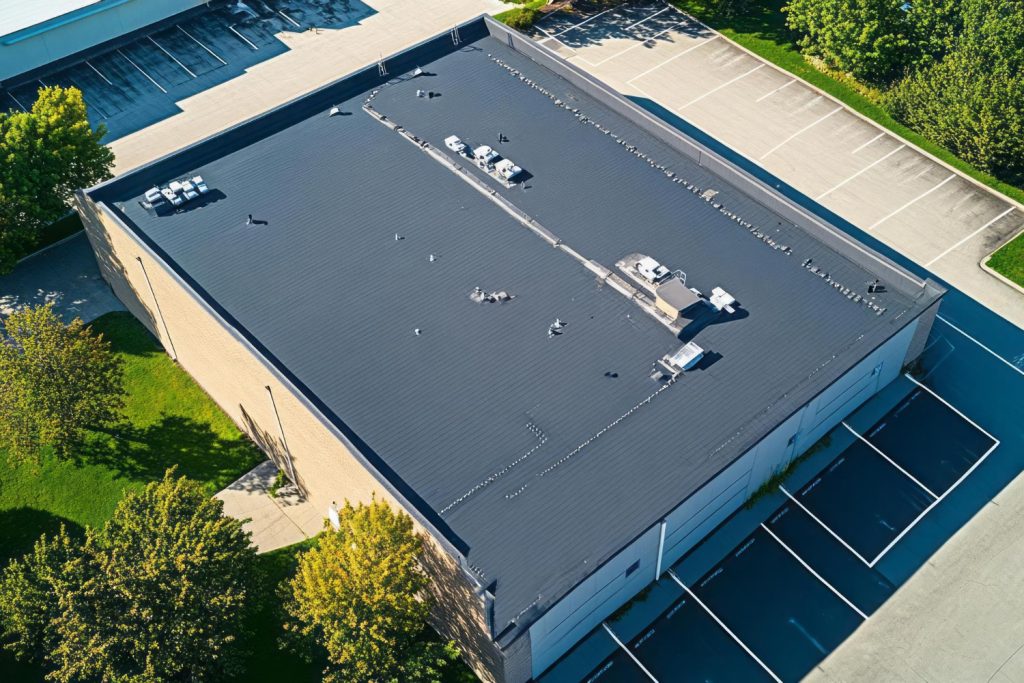
Coatings are often considered for low-slope commercial roofs with manageable wear. Minor surface issues may be repaired before the coating is applied, but a coating should not be used to cover major structural trouble or trapped moisture.
When the roof is a suitable candidate, a properly selected coating can create a continuous protective layer over the existing surface. Depending on the coating system and roof condition, it may also help reflect sunlight and limit heat absorption during warmer months.
A coating project depends on more than the product itself. We look at factors such as:
- The condition of the roof deck and existing membrane
- Seam separation, punctures, flashing, and penetration details
- Drainage patterns and areas where water collects
- Whether the roof surface is dry and ready for preparation
- Weather conditions needed for safe application and curing
Late fall can make timing more complicated. A sunny November day does not automatically mean coating work can move forward. Many coating materials need specific temperatures and dry conditions to cure correctly. If the forecast is not suitable, we may recommend repairs or temporary protection now, followed by a coating project when weather conditions are more dependable.
Signs a Roof Replacement May Be the Better Investment
Recurring leaks often point to concerns below the roof surface. While a repair may stop one active leak, repeated water entry can signal failing seams, damaged insulation, worn materials, or moisture that has moved through the system.
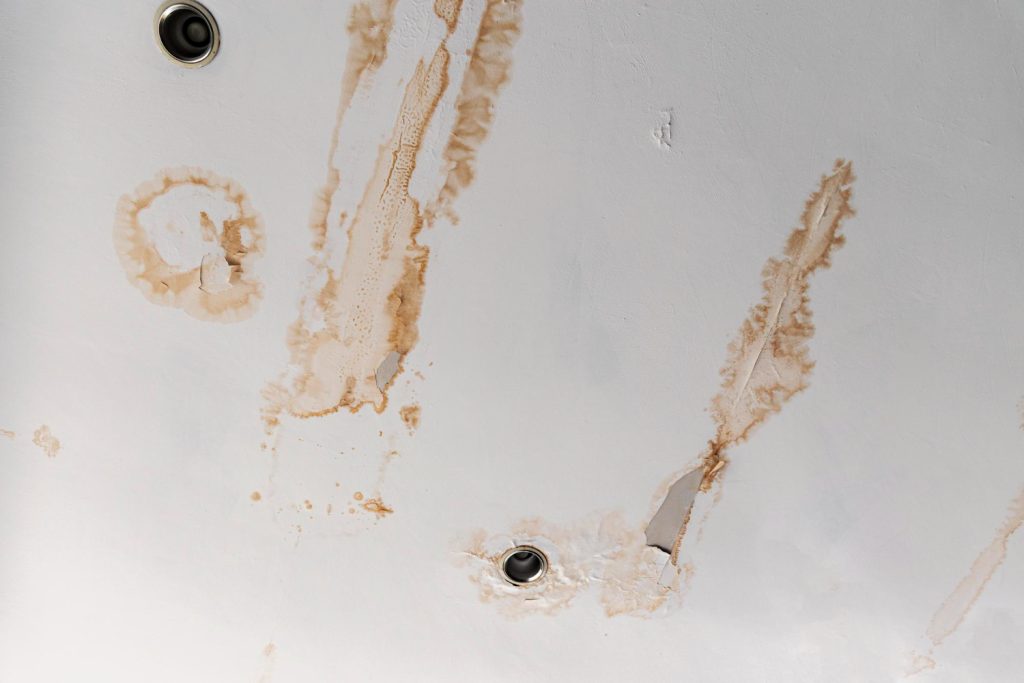
Water stains on ceilings, damp insulation, ponding water, and ongoing leak calls deserve a closer look. Applying a coating over hidden moisture or widespread membrane failure can leave the underlying issue in place, allowing it to worsen over time.
Age also matters. A roof nearing the end of its expected service life may not be a strong candidate for restoration, especially if we find brittle materials, cracked membranes, open seams, widespread punctures, or major storm damage. In those situations, replacement may offer a more dependable path forward.
A new roof can also give you the chance to address concerns that may have contributed to past problems, including insulation needs and drainage details. For a business that depends on steady operations, planning a replacement before winter damage occurs can be far easier than responding to an emergency leak during a storm.
Compare Lifespan and Business Impact
A coating may require less extensive work because it uses an eligible existing roof as its base. That can make it less disruptive for some occupied buildings. Still, the simplest option is not always the right long-term choice.
If the roof needs widespread repairs before it can accept a coating, or if the system has moisture damage beneath the surface, replacement may better protect the property from repeated maintenance issues. We encourage you to focus on the condition of the full roofing system rather than selecting an option based only on the short-term scope of work.
Expected service life also varies. A coating can extend the useful life of a roof that is structurally sound and properly maintained. A replacement creates a new roofing system with a longer planning horizon. Either option depends on several details, including roof design, material condition, drainage, exposure to severe weather, and installation quality.
For commercial roofing in Blue Springs, we also consider how the project will affect your day-to-day operations. A clear plan should account for:
- Building access and safe work areas
- Tenant, employee, and customer communication
- Noise, rooftop equipment, and delivery coordination
- Weather delays and temporary protection needs
- Steps to reduce disruptions during active business hours
Replacement is typically more involved, but it may reduce the likelihood of unplanned shutdowns caused by future leaks. Coatings can be less invasive when the roof qualifies and installation conditions cooperate. The right choice is the one that addresses the actual problem without creating another one down the road.
Drainage, Storm Damage, and Winter Exposure
Standing water can shorten the life of nearly any commercial roof. Before we recommend a coating or replacement, we assess drains, scuppers, gutters, roof slopes, and areas where water tends to collect. Poor drainage can contribute to surface wear, seam failure, and leaks, so it may need to be corrected as part of a larger roofing plan.
Storm damage is another concern that is not always obvious from ground level. Wind, hail, heavy rain, and winter weather can loosen flashing, lift roof edges, puncture materials, or weaken seams. Even a small opening can allow water to move beneath the roof surface.
Late fall is a smart time to address active leaks and vulnerable roof details before freezing temperatures arrive. Clearing rooftop debris, checking drainage paths, and having problem areas professionally inspected can help you enter winter with fewer surprises. When permanent work needs to wait for better weather, temporary repairs and regular monitoring can help protect the building in the meantime.
Plan Ahead Before Roofing Problems Grow
An honest roof evaluation can show whether your building is a candidate for coating, repair, or replacement. During an inspection, we look for visible damage as well as signs of moisture, failing materials, drainage trouble, and other conditions that can affect the decision.
The best plan starts with the roof you have today. Addressing leaks, drainage concerns, and damaged materials before severe winter weather arrives can help you make a calmer, better-informed decision about whether restoration or replacement fits your property.
Get Clear Guidance for Your Commercial Roof
Interstate Roofing Merriam can help you compare coating and replacement options based on your building’s needs, budget, and long-term goals. Learn more about our commercial roofing in Blue Springs services and the solutions available for your property. When you are ready to discuss your next steps, contact us for a professional assessment.