Protect Your Roof Before Albuquerque Winter Weather Arrives
Late October is a smart time for us to take a close look at your roof before colder Albuquerque weather settles in. Cold nights, wind, rain, occasional snow, and freeze-thaw conditions can turn a small weak spot into a disruptive leak. A prewinter evaluation gives you a clearer picture of what your roof needs before weather makes repairs more difficult.
During dry weather, problems such as lifted shingles, worn sealant, cracked flashing, or blocked drainage areas may be easy to miss. Once moisture reaches those areas, cold temperatures can make the damage spread. We also know Albuquerque roofs face intense sun, strong winds, and summer monsoon storms, all of which can leave behind wear that deserves attention before winter.
Why Professional Roof Inspection Services Matter Before Winter
A quick look from the ground can reveal obvious missing materials, but it cannot show the full condition of a roofing system. Professional roof inspection services allow us to examine the areas where leaks and weather damage often begin, including roof edges, valleys, penetrations, transitions, vents, skylights, and chimneys.
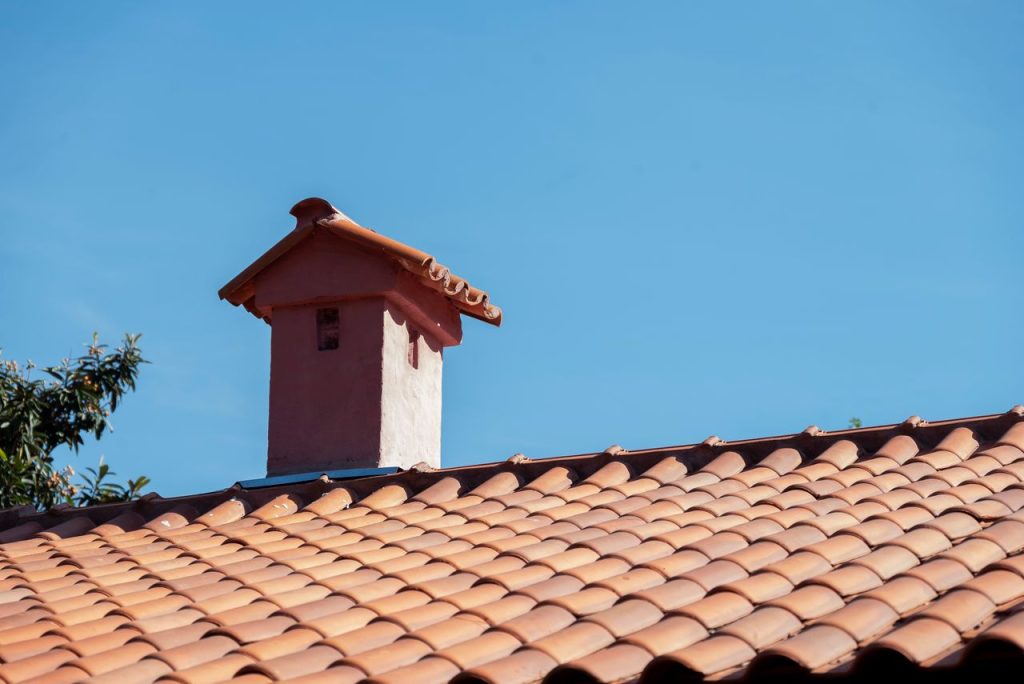
The exterior review depends on your roof type and its current condition. Whether your property has shingles, tile, metal panels, or a flat roofing system, we look for visible signs of age, storm damage, cracking, lifting, loose components, and material separation.
Close attention is also paid to drainage. Water needs a clear path off the roof and away from the building. Restricted gutters, downspouts, scuppers, or roof drains can allow water to back up, pool, or work beneath roofing materials.
Common areas we review include:
• Roofing materials, ridge areas, and transitions
• Flashing around vents, chimneys, and skylights
• Fasteners, sealant, pipe boots, and roof edges
• Gutters, drains, scuppers, and downspouts
• Visible signs of wind or storm-related damage
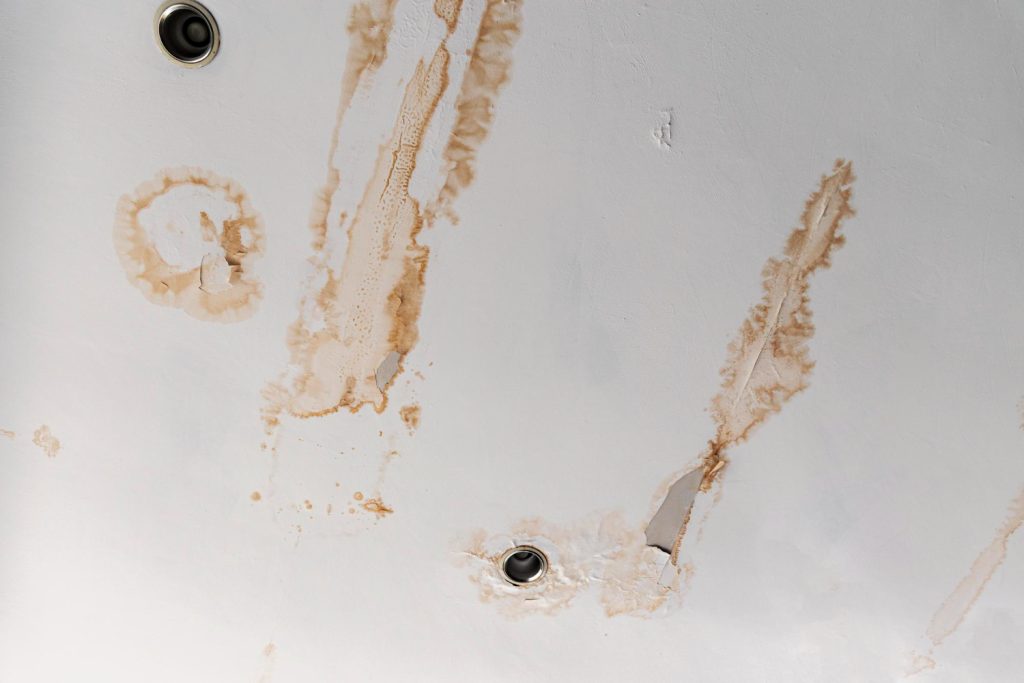
Interior warning signs can matter just as much as what we see outside. Water stains, peeling paint, musty odors, damp insulation, or daylight visible in an attic may point to moisture intrusion or ventilation concerns. These clues are worth investigating before winter weather places more stress on the roof.
Catch Small Leaks Before Cold Weather Makes Them Worse
Even a small opening in the roofing system can allow rain, melting snow, or wind-driven moisture to enter. Water does not always appear as an active drip right away. It may first travel through the roof deck, attic, insulation, walls, or ceiling before becoming visible indoors.
Freeze-thaw conditions can make an existing problem worse. Moisture may enter a crack or gap, freeze overnight, and contribute to more separation in the surrounding materials. Over time, a loose shingle, failed sealant joint, or damaged flashing detail can become a larger repair concern.
Signs that may suggest a developing leak include:
• Ceiling stains or discolored wall areas
• Bubbling or peeling paint
• Damp attic insulation or musty odors
• Loose shingles, tiles, or metal panels
• Visible cracks, gaps, or damaged flashing
Addressing these warning signs before they become an emergency is recommended. Prompt repairs to flashing, sealant, roofing materials, or flat roof membranes can help protect the attic, ceilings, walls, and insulation from further moisture damage during severe weather.
What to Expect From Professional Roof Inspection Services
When we inspect a roof, we tailor the review to its type, age, visible condition, and any concerns you have noticed. A newer roof may need attention after a storm, while an older roof may need a closer review for aging materials and future replacement planning.
The main roof surface is important, but the smaller components often deserve equal attention. Flashing, roof valleys, pipe boots, vents, skylights, chimneys, gutters, drainage systems, and roof edges are common places for water intrusion. We look for conditions that could leave those areas vulnerable to wind uplift, leaks, or ongoing deterioration.
After the inspection, you should have practical findings you can understand. We explain damaged areas, identify repairs that deserve priority, and share maintenance suggestions when appropriate. If a roof is nearing the end of its usable life, we can also help you understand whether replacement planning should be part of the conversation.
Clear, condition-based findings provide informed recommendations to residential and commercial property owners. Our goal is not to create uncertainty. It is to help you understand what is happening on your roof and what steps make sense for its condition.
Prioritize Repairs for Better Winter Protection
Not every roofing concern needs the same response. A professional inspection helps us separate minor maintenance needs from issues that may create a direct path for water. Missing shingles, loose metal panels, compromised flashing, damaged vents, failed sealant, punctured flat roofing materials, and blocked drainage components often deserve prompt attention before winter weather arrives.
Maintenance can also support the roof’s ability to handle seasonal conditions. Clearing roof debris, addressing drainage restrictions, removing loose materials, and having overhanging limbs evaluated where appropriate can reduce the chance of water buildup and storm-related damage. If the roof is aging, discussing repair timing, material options, and replacement alternatives early can provide more flexibility than waiting for an unexpected leak.
A prewinter inspection is about more than finding problems. It gives you useful information, helps you make informed repair decisions, and lets you enter colder weather with greater confidence in the protection over your property.
Protect Your Property With Expert Guidance
Interstate Roofing Albuquerque can help you understand your roof’s condition and prioritize the work that matters most. Our roof inspection services provide clear recommendations for commercial properties. Contact us to discuss your roofing needs with our team.