A roof insurance claim can feel overwhelming after a Jacksonville storm, especially when water is coming in or shingles are scattered across the yard. We recommend acting quickly, keeping clear records, and getting professional roof documentation before damage has a chance to spread.
Your policy, deductible, and the cause of damage all affect the outcome. While we can inspect visible roof concerns and explain what repairs may be needed, your insurance carrier makes the final coverage decision.
Protect Your Jacksonville Roof After Storm Damage
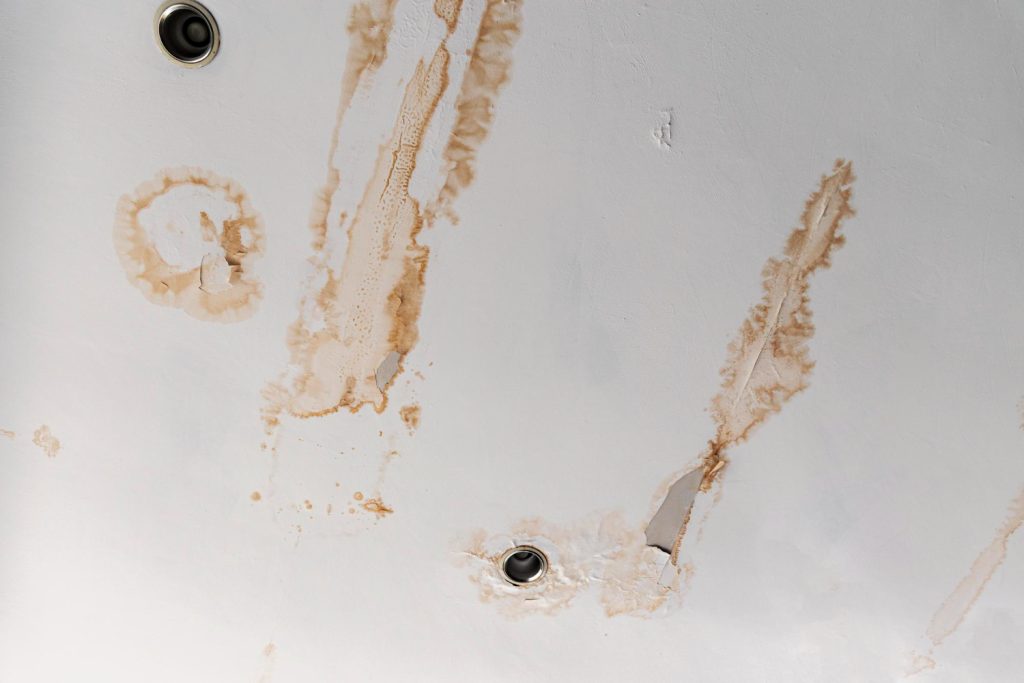
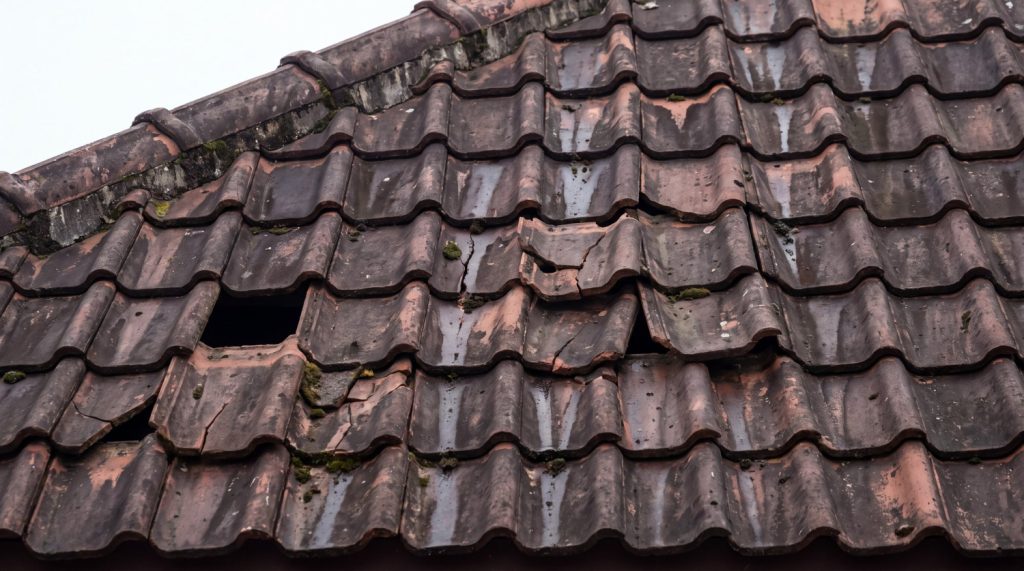
Late October is still an active time for wind, heavy rain, and tropical weather in Jacksonville. After a storm, you may notice missing shingles, lifted flashing, damaged gutters, fallen branches, ceiling stains, or an active leak. Even a small opening in the roof can let water reach the decking, insulation, and interior finishes.
Safety comes first. If part of the roof is exposed, we recommend arranging professional emergency protection, such as tarping, to help limit further water damage. Before any temporary work begins, take photos of the damage when it is safe to do so. Keep copies of receipts for emergency services and photograph the protected area afterward.
A roof claim is not an instant process. It usually involves you, your insurance carrier, an adjuster, and a roofing contractor. The final decision can depend on your policy language, the documented storm damage, your deductible, and the insurer’s review.
Build a Strong Claim File
Clear evidence can help establish what happened and when it happened. Before cleanup begins, document as much as you can without putting yourself at risk. Wide photos show the overall condition of the property, while close-up photos can show specific damage.
Your claim file may include:
- Photos and videos of damaged shingles, flashing, gutters, and debris
- Images of fallen branches, water stains, and affected belongings
- Your policy information, deductible details, and claim number
- Receipts for emergency mitigation or temporary roof protection
- Written notes about the storm date and damage you observed
Once you have reported the damage to your insurer, we can inspect the roof and document visible storm-related concerns. For property owners who need roofing insurance claim assistance in Jacksonville, we can prepare inspection findings and repair or replacement estimates that help explain the work the roof may need.
Keeping everything in one place makes the process easier to follow. Save emails, letters, adjuster contact information, inspection reports, and notes from phone conversations. If your insurer asks a question later, organized records can help you respond with confidence.
Know What Your Policy May Cover
Every insurance policy is different, so it is important not to assume all roof damage is covered. In many cases, policies may cover sudden damage caused by a storm event, but the exact coverage depends on your policy terms, exclusions, endorsements, and insurer review.
Events that may be considered for coverage can include:
- Wind damage that removes or lifts roofing materials
- Hail damage to shingles or metal components
- Fallen trees or branches that strike the roof
- Water intrusion caused by a covered storm event
- Damage from debris carried by strong winds
Your out-of-pocket responsibility may include a standard deductible, windstorm deductible, or hurricane deductible. Some policies may account for the roof’s age and condition when calculating payment. Others may include replacement cost coverage, depending on the policy.
Normal aging, poor installation, long-term leaks, and deferred maintenance may not be covered. A professional inspection can identify visible roof damage and maintenance concerns, but we cannot interpret your policy or promise claim approval. Those decisions belong to your insurance company.
Prepare for the Adjuster Inspection
After you file a claim, your insurer may send an adjuster to inspect the property. This visit plays an important part in the carrier’s decision, so it helps to be prepared and available when practical.
Bring your claim file to the inspection. You can share photos, receipts for emergency protection, written notes, and any roof inspection findings you have received. Point out areas where you saw storm damage, including leaks, missing materials, interior stains, or damaged roof components. It is also reasonable to ask the adjuster when you can expect a coverage decision or estimate.
Our team can provide professional inspection findings, explain recommended repair methods, and document visible roofing issues for your records. A roofer can discuss the roof’s condition, needed materials, and the scope of work. However, we do not make coverage decisions, interpret policy wording, or guarantee the outcome of a claim.
Prevent Delays While Your Claim Is Under Review
Waiting too long can make a difficult situation worse. Jacksonville can continue to see rain and storm activity through the fall, and an uncovered roof opening can allow more water into the building. We recommend taking reasonable steps to protect the property while the claim is being reviewed.
Temporary protection is different from beginning a full roof replacement. Emergency tarping, leak control, and removal of hazardous debris may be necessary to prevent added damage. Document every step and keep the related invoices, since your insurer may ask for proof of mitigation expenses.
Permanent repairs should usually wait until the insurer has had an opportunity to inspect the original damage, unless emergency conditions require immediate work. Starting major work too early can make it harder for the adjuster to see what the storm did. If the insurer’s estimate does not seem to address the damage you documented, ask questions, provide additional records, and request clarification through the proper insurance channels.
Stay Ready Before Claim Deadlines Pass
Insurance policies often include deadlines for reporting storm damage, so it is wise not to wait for another round of bad weather. A prompt inspection can help you understand the roof’s current condition and whether temporary protection is needed while you work through the claim.
The best next step is to document the damage, notify your insurer, protect exposed areas with professional help, and keep every record connected to the claim. Careful documentation and steady communication can help you stay organized from the first inspection through the final decision.
Get Experienced Support for Your Claim
Interstate Roofing Jacksonville can provide the detailed evaluation and repair guidance needed to move your claim forward with confidence. For roofing insurance claim assistance in Jacksonville, our team can assess storm-related damage and explain practical next steps. When you are ready to discuss your roof, contact us to schedule an inspection.