Why Roof Penetrations Can Put a Commercial Building at Risk
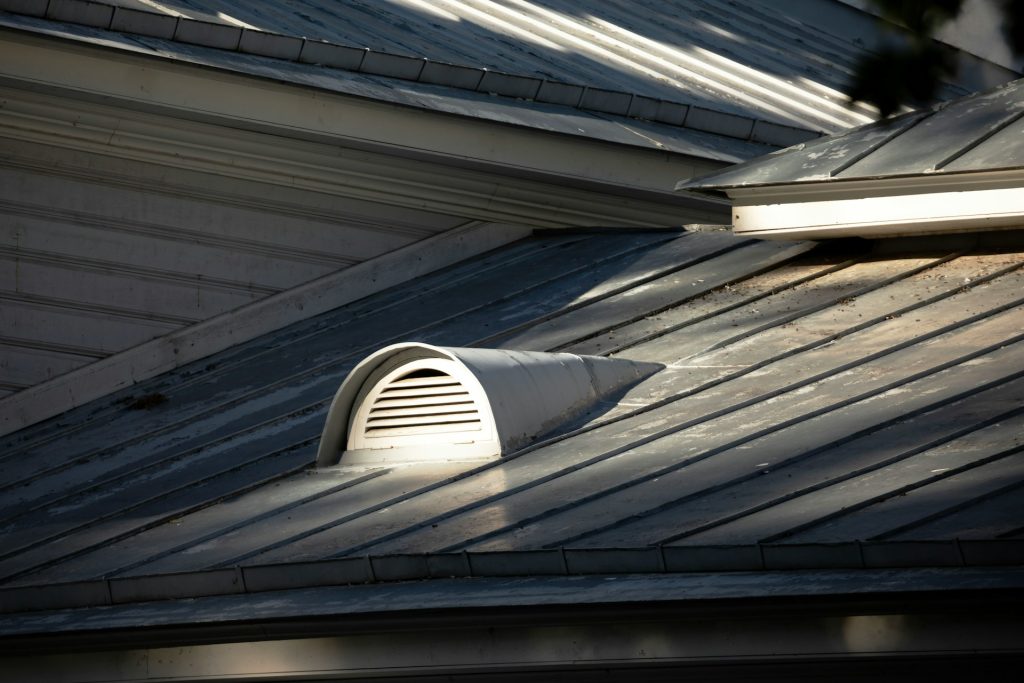
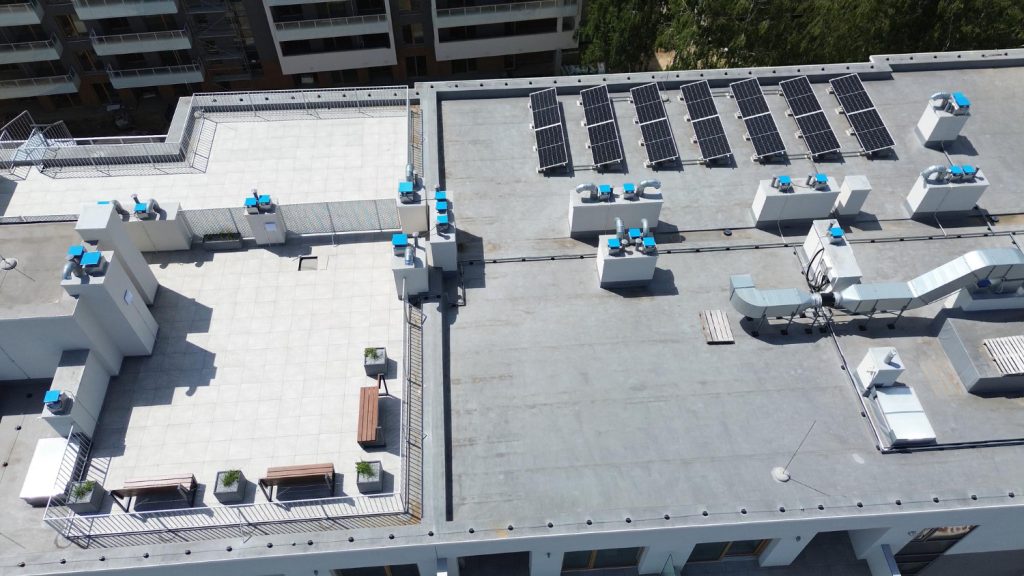
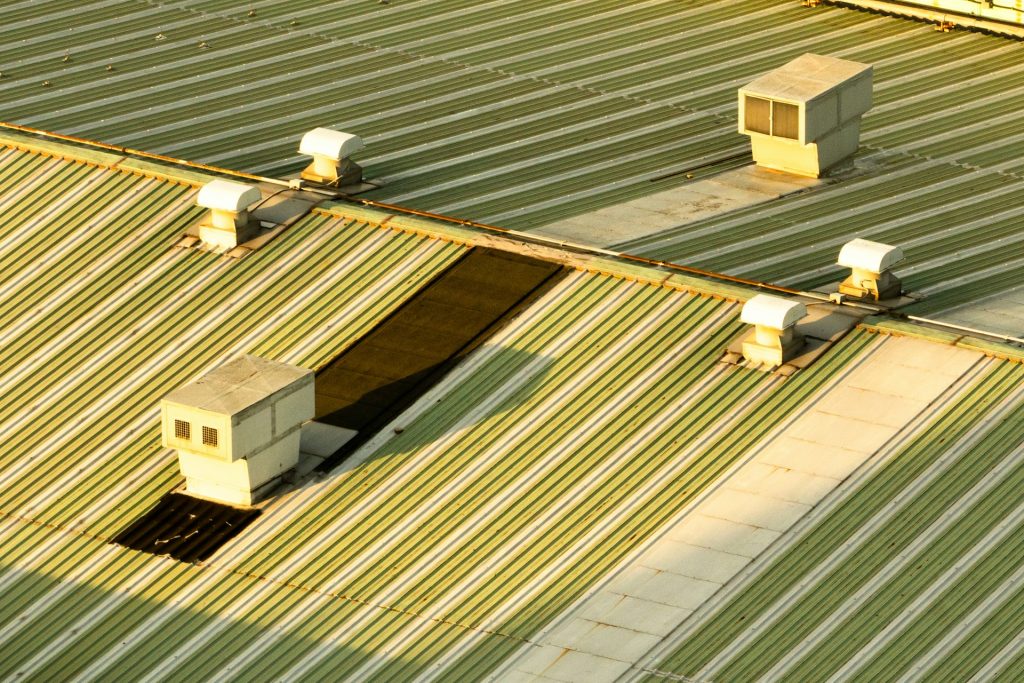
Commercial roof penetrations are necessary, but they interrupt the roof’s protective surface. Pipes, vents, HVAC equipment, drains, skylights, electrical conduits, and equipment supports all need an opening through the roofing system, and each opening needs careful protection.
Even a high-quality roof can leak when materials around a penetration crack, pull apart, or were not installed correctly. In Cheyenne, strong winds, heavy snow, freeze-thaw cycles, and bright UV exposure can put extra strain on these details. We recommend catching small weak spots early, before moisture leads to damaged insulation, stained ceilings, interior repairs, or disruptions to your business.
Flashing and Sealants Often Break Down First
Flashing creates the watertight connection between the roofing membrane and anything that passes through or sits on the roof. Around pipes, vents, curbs, and equipment supports, flashing directs water away from seams and vulnerable edges. Sealants support that protection by closing small gaps where water could otherwise enter.
Over time, however, sealants can dry out, shrink, crack, or lose their grip. Sun exposure, standing water, temperature swings, and normal movement around a penetration can all wear down the materials that once formed a tight seal. We often find that the visible damage is small, yet the opening beneath it gives water a path into the roof system.
Once water gets below the membrane, the leak may travel before it becomes visible indoors. That can make the source difficult to spot from inside the building. During an inspection, we look closely at areas such as:
- Pipe boots and vent stacks
- HVAC curbs and equipment supports
- Membrane seams near penetrations
- Flashing edges, fasteners, and sealant joints
A crack at one penetration does not always mean water will appear directly below that location. This is why a professional roof review matters when your building shows signs of a leak.
Roof Movement Stresses Every Penetration Detail
Commercial roofing systems move as outdoor temperatures rise and fall. That movement is normal. Roofing membranes expand in warmth and contract in cold, while metal pipes, curbs, and rooftop equipment can shift at different rates.
Cheyenne weather can make this stress more noticeable. Cold winter conditions followed by warmer sunny periods may repeatedly pull on seams, boots, fasteners, and membrane transitions. A penetration detail needs enough flexibility to move with the roof while still keeping water out.
Problems often develop when an older detail has become stiff or brittle. The same issue can happen when the original design did not allow for movement between unlike materials. A rigid seal around a moving pipe, for example, may split instead of flexing.
We look for early signs that a penetration is no longer handling normal roof movement well. Those signs can include lifted flashing, cracked sealant, open seams, loose fasteners, and wrinkles or pulling in the membrane around an opening. Repairs made at this stage are generally far less disruptive than waiting for moisture to spread into the building.
Wind, Snow, and Ice Create Additional Weak Points
High winds can put a surprising amount of pressure on commercial roof penetrations. Wind may loosen flashing, tug at membrane edges, damage vent caps, or force rain and snowmelt into openings that seem minor during calm weather. Once an edge starts to lift, the problem can grow with each storm.
Snow and ice bring a different kind of pressure. Snow can hold moisture near roof curbs, drains, pipes, and low areas. As temperatures change, melting and refreezing water may stay near vulnerable seals longer than ordinary rainfall would. That gives water more time to work into worn flashing or damaged membrane transitions.
Fall is a practical time to inspect these areas before winter weather arrives. We recommend paying special attention after major wind events and before prolonged snow and ice conditions. Common seasonal concerns include:
- Loose flashing around rooftop equipment
- Damaged caps or covers on vents
- Sealant that has cracked after summer sun exposure
- Debris that holds moisture around drains and curbs
- Open seams where the membrane meets a penetration
A roof may look sound from ground level while small penetration details are beginning to fail. A closer inspection helps identify trouble before winter moisture makes it worse.
Installation Errors Can Shorten Roof Service Life
Some penetration failures begin during installation. Flashing must be properly integrated with the existing commercial roofing system, not simply placed around an opening and covered with sealant. When details are rushed or materials do not work well together, the roof can become vulnerable much sooner than expected.
Issues we watch for include insufficient flashing height, poor membrane adhesion, exposed fasteners, incompatible materials, and pipe boots that are not sealed correctly. Each one can create a path for water, especially when wind or standing snow adds pressure to the area.
Rooftop changes can also introduce new risks. Adding HVAC units, wiring, plumbing, satellite equipment, or other components after the roof is installed may require new penetrations. If that work is not coordinated with a qualified commercial roofer, the new opening may not match the roof system’s existing materials or drainage design.
Rather than treating these openings as separate maintenance items, we view commercial roof penetrations as part of the whole roof. The membrane, flashing, insulation, drainage, and rooftop equipment all need to work together to protect the building below.
Schedule a Roof Inspection Before Small Leaks Spread
Routine inspections help us find weak penetration details before they become larger problems. We recommend having penetrations reviewed after major windstorms, after rooftop equipment work, and as part of regular preventive maintenance. Interstate Roofing Cheyenne can inspect commercial roofing systems for damaged flashing, failing sealants, open membrane seams, and other issues shaped by Wyoming weather.
Early repairs can help limit moisture intrusion and reduce the chance of damage spreading through insulation, roof decking, ceilings, or interior spaces. Keeping a close eye on penetrations, especially before winter, gives you a clearer picture of your roof’s condition and helps protect the building when harsh weather moves in.
Protect Your Commercial Roof Investment
At Interstate Roofing Cheyenne, we provide thorough evaluations and dependable solutions for commercial roof penetrations that need attention. Our team can identify vulnerable flashing, seals, and drainage details before they affect your building’s operations. Contact us to discuss your commercial roofing needs with our experienced team.