Catch Roof Trouble Before Winter Weather Arrives
Late October is a smart time to look closely at your roof before Salt Lake City sees heavy snow, freezing temperatures, and winter storms. Small trouble spots can seem harmless during mild fall weather, then turn into leaks, interior water damage, or urgent repairs once snow begins to build up.
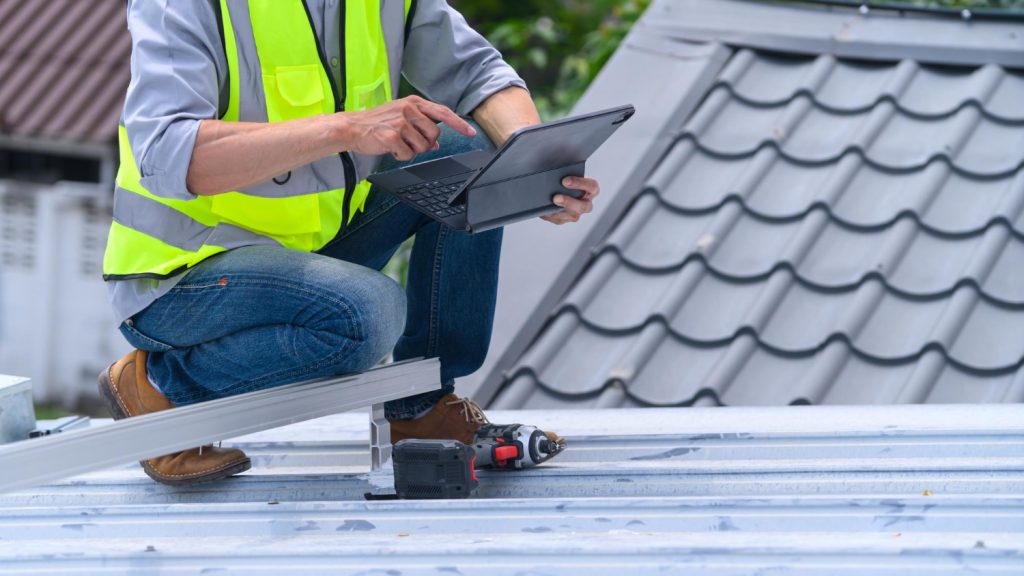
Winter puts extra strain on every part of a roofing system. Snow weight, strong winds, ice buildup, and repeated freeze-thaw cycles can expose weak shingles, flashing, seals, and drainage areas that may not be visible from the ground. We recommend a professional roof inspection in Salt Lake City before winter arrives, giving you time to understand the condition of your roof and address concerns before weather delays make repairs harder.
Early attention can keep an isolated concern from growing into a larger restoration or replacement need. Here are several signs that your roof may need a closer look.
Missing or Damaged Shingles Leave Roofs Exposed
Shingles are your roof’s first layer of protection against rain, snow, and wind. When shingles are missing, curled, cracked, or worn down, moisture has a better chance of reaching the underlayment and roof deck below. Granule loss can also leave asphalt shingles less prepared to handle changing temperatures.
After a windy day or seasonal storm, keep an eye out for signs such as:
• Shingles or granules collecting in the yard or near downspouts
• Lifted corners, uneven roof lines, or dark-looking patches
• Bare areas where shingles appear thin or damaged
• Cracked, curled, or loose shingles around roof edges
Not every damaged shingle comes completely off the roof. Wind can loosen materials enough to create openings for wind-driven rain or melting snow. Once water gets beneath the surface, the problem may spread to nearby materials before it becomes visible indoors.
Sloped sections on commercial buildings can face similar concerns. We often find worn shingles, aging flashing, or material loss on these areas even when the rest of the building uses a low-slope roof system. A professional inspection can help us determine whether the issue is limited to a targeted repair or points to broader wear across the roof.
Leaks and Attic Moisture May Point to Hidden Damage
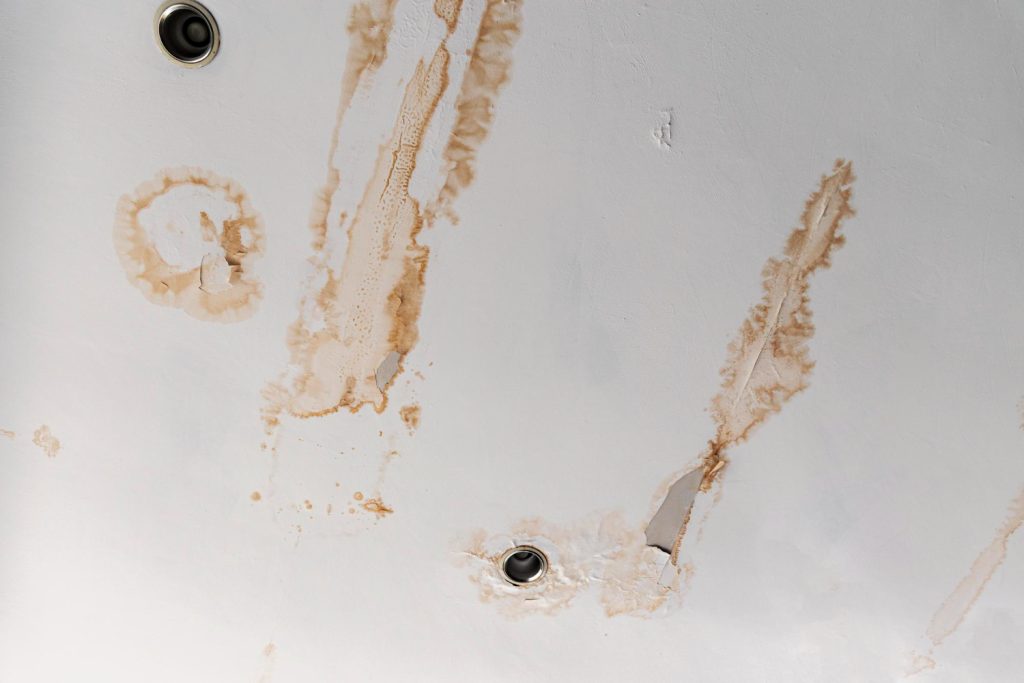
A leak does not always begin with a steady drip from the ceiling. In many cases, the first clues are subtle. You may notice a faint stain, peeling paint, bubbling drywall, damp insulation, or a musty smell in an attic or upper room.
These signs can mean water has entered through a damaged roof area, flashing detail, vent penetration, skylight, or chimney connection. Even a small opening can let in moisture during rain or snowmelt. As temperatures fall, trapped moisture can affect wood framing, insulation, ceiling materials, and other areas inside the property.
If you can safely access your attic, watch for warning signs after fall rain. Common concerns include:
• Wet or compressed insulation
• Darkened roof decking or water streaks
• Rusty nails, metal fasteners, or vent components
• Visible daylight near roof penetrations or seams
• A damp odor that does not go away
The point where water appears indoors is not always the place where the leak began. Water can travel along framing or insulation before showing itself on a ceiling or wall. That is why we recommend having a roofing professional trace the source rather than waiting for a larger winter leak to make the damage easier to see.
Drainage Problems Can Lead to Ice Dams
Gutters, downspouts, valleys, and roof drains all play a major role in moving water away from your roof. During fall, leaves, pine needles, small branches, and loose roofing granules can collect in these areas. When drainage paths are blocked, water may linger where it should be moving away from the building.
Ice dams are a common concern once temperatures begin to shift above and below freezing. Snow can melt on warmer upper areas of the roof, then refreeze near colder eaves. The resulting ice can hold water behind it, allowing moisture to move beneath shingles or other roofing materials.
For homes, this can lead to damaged gutters, loosened shingles, and interior stains. Commercial properties need the same level of attention, especially when they have flat or low-slope roof sections. Clear drains, scuppers, and drainage paths help reduce standing water and limit the added strain that snow accumulation can place on the roof.
During a pre-winter evaluation, we look beyond the main roofing surface. Drainage areas deserve close attention because a roof can have sound materials yet still face trouble when water has nowhere to go.
Storm Damage Can Become Worse Under Snow
Fall storms can cause roof damage that is easy to miss from the ground. Hail, wind, and flying debris may crack shingles, dent metal components, puncture roofing membranes, loosen vents, or pull flashing away from its proper position. A roof may look mostly intact while still having small openings that allow water into the system.
Heavy snow and ice can make those weak areas worse. Added weight may stress a damaged section, while freezing and thawing can widen cracks or separations. A minor problem in October can become much more difficult to manage during an active winter storm.
Pay close attention after severe weather if you notice fallen branches, roof debris, bent gutters, or changes around vents and skylights. We encourage both homeowners and commercial property managers to have visible concerns assessed promptly. Finding damage before snow covers the roof gives us a clearer view of what needs attention.
Make a Pre-Winter Roof Check Part of Your Fall Plan
A roof inspection in Salt Lake City can identify missing materials, hidden moisture, drainage concerns, storm damage, and aging components before winter weather adds pressure to the system. It also gives you a clearer picture of whether your roof needs a focused repair, maintenance attention, or a larger plan for the future.
Before the first major snowstorm, take note of any changes you can see from the ground and any moisture clues inside the property. Acting early can help protect your roof, your interior spaces, and your peace of mind through the winter season.
Keep Your Property Ready for Winter
Interstate Roofing Midvale can help you address roofing concerns with a thorough roof inspection in Salt Lake City. Our team evaluates key areas of your commercial roof and provides clear recommendations based on its condition. To discuss your property’s needs, contact us today.