A free roof inspection in Enterprise can be a smart step after monsoon season, even if you have not seen a leak inside your property. Wind, heavy rain, and flying debris can leave behind small roof problems that stay out of sight until the next storm or a major temperature swing.
At Interstate Roofing Henderson, we often find that a roof can look fine from the ground while moisture is working its way beneath the surface. A timely inspection gives you a clearer view of your roof’s condition, helps document storm-related wear, and points out concerns before they become larger repairs.
Monsoon Weather Can Leave Hidden Roof Damage
Strong monsoon winds can lift, curl, crack, or shift roofing materials. Shingles, tiles, ridge pieces, and flashing may loosen without falling completely off the roof. That can create a small opening where water enters during a later rainstorm.
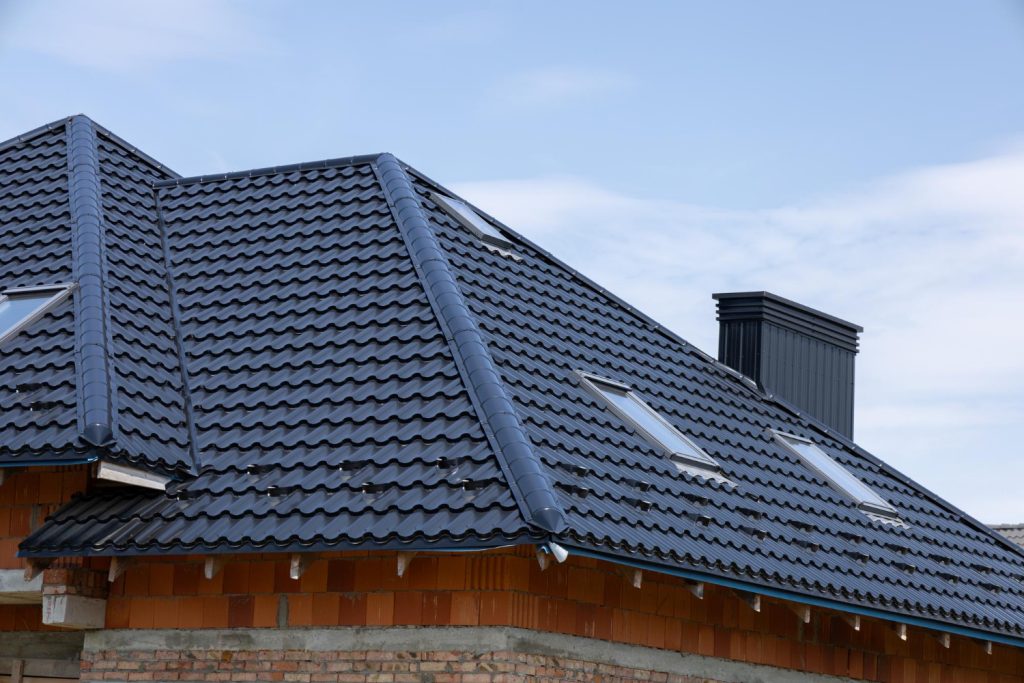
Flashing around vents, chimneys, skylights, pipes, and roof transitions deserves close attention after high winds. These areas help direct water away from vulnerable spots, but loose flashing or worn sealant can affect how well the roof sheds rain.
Heavy rainfall can also expose weak points that have been building over time. Aging underlayment, worn sealants, blocked drainage paths, and damaged roof penetrations may allow water to move under the outer roofing material. A brief leak may not show up on a ceiling right away, but moisture can travel through layers of the roof before it becomes visible indoors.
After a storm, you may notice warning signs such as:
- Fallen branches or debris near the property
- Displaced shingles, tiles, or ridge materials
- Granules collecting near downspouts
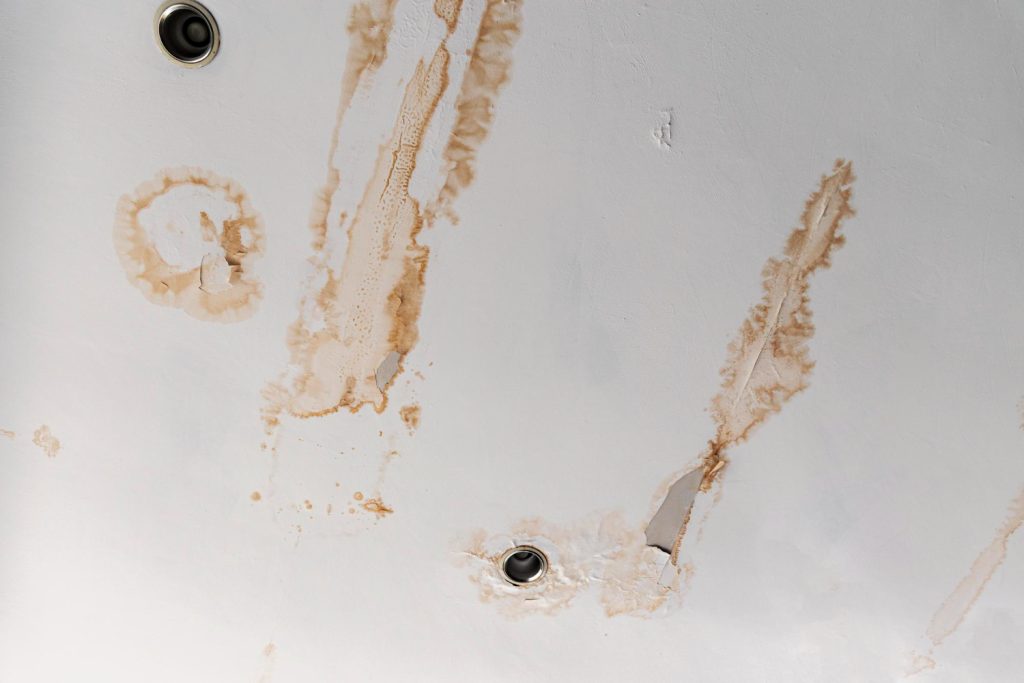
- Water stains on ceilings or walls
- Overflowing gutters, scuppers, or drainage areas
We recommend leaving close roof checks to trained roofing professionals. Walking on a roof can be unsafe, and some damage is difficult to spot without knowing where to look.
What a Free Roof Inspection in Enterprise Can Reveal
A professional inspection looks beyond surface appearance. When we inspect a roof, we assess the materials that protect your property and the areas where storm damage often starts. This includes shingles, tile, metal components, flat-roof membranes, flashing, vents, valleys, drainage features, and sealants.
Windblown debris can crack a tile, puncture a membrane, dent metal components, or block a drainage area. On flat and low-slope commercial roofs, debris and heavy rain may lead to ponding water or drainage concerns that need attention before the next weather event.
Our inspection also considers the roof’s age, visible wear, and material type. A roof that has handled years of intense sun may be more likely to show cracks, weakened sealants, or worn areas after a monsoon. By identifying those weak points early, we can give you straightforward recommendations based on what the roof needs now and what to watch in the months ahead.
Small Problems Can Grow During the Cooler Season
Late October is a useful time to check the roof because monsoon damage may still be fresh, while the next round of rain and wind can expose any openings left behind. Daily temperature changes can cause roofing materials to expand and contract, placing added stress on shingles, tiles, membranes, and aging sealants.
A loose tile or cracked flashing may seem minor, but it can allow water to reach the underlayment or decking beneath. Moisture trapped in those areas may contribute to damaged insulation, weakened roof components, mold growth, and interior repairs if it is left unaddressed.
Early attention can help limit the area affected by water intrusion. Rather than waiting for a visible ceiling stain or active leak, an inspection can identify the likely source while the issue is still limited to the roof system.
Commercial properties need the same careful attention, especially when a building has a flat or low-slope roof. We often look for concerns such as:
- Separated seams or damaged membrane areas
- Ponding water and slow drainage
- Blocked scuppers, drains, or gutters
- Loose flashing near rooftop equipment
- Wear around HVAC units and roof penetrations
For property managers and facility teams, spotting these issues before busy holiday and year-end periods can help avoid unexpected disruptions.
What a Thorough Roof Inspection Should Cover
A complete inspection should include more than a quick look at the roof’s main surface. We examine the primary roofing materials for missing, cracked, lifted, punctured, or worn sections that may have been affected by wind, rain, debris, and long-term sun exposure.
Roof edges, valleys, and transitions also need careful review. Water naturally moves toward these areas, and damage there can lead to leaks that are difficult to trace from inside the building. Gutters, downspouts, drains, scuppers, and other drainage components should be checked to confirm that water can move off the roof as intended.
Penetrations are another common source of trouble. Vents, pipes, skylights, chimneys, and rooftop equipment rely on properly installed flashing and intact sealants. If those materials crack, separate, or loosen, water may enter around them even when the rest of the roof looks sound.
Clear communication matters just as much as the inspection itself. We explain what we find in everyday terms, separate urgent repairs from routine maintenance, and help you understand whether continued monitoring or replacement planning makes sense for your property.
Use Post-Monsoon Findings to Plan Ahead
A post-monsoon inspection gives you useful information, not just a list of problems. You can better understand the condition of your roof, its remaining service life, and the repairs or maintenance that may help it continue protecting the property.
For Enterprise homes and commercial buildings, a free roof inspection in Enterprise is a practical way to look for damage before it turns into a disruptive leak. Checking the roof after the summer monsoon season can help you move into the coming months with a clearer picture of what needs attention.
Get Clear Answers About Your Roof
At Interstate Roofing Henderson, we provide straightforward assessments and recommendations tailored to your property’s condition. Schedule a free roof inspection in Enterprise to have our team take a closer look at potential concerns. For questions about your roof or service options, contact us today.