Signs Wind Damage Roofing Repairs Cannot Wait in Albuquerque
Strong winds can leave behind roof damage that is easy to miss from the ground. In Albuquerque, that can become a bigger concern in late fall, when colder weather and winter moisture may follow a windstorm. Small openings around shingles, flashing, or vents can let water move into places it does not belong.
We recommend taking any noticeable roof change seriously after high winds. A prompt professional inspection can help us find weak spots before they turn into ceiling leaks, wet insulation, or larger repairs inside your home or commercial building.
Missing Shingles Can Expose Your Roof Deck
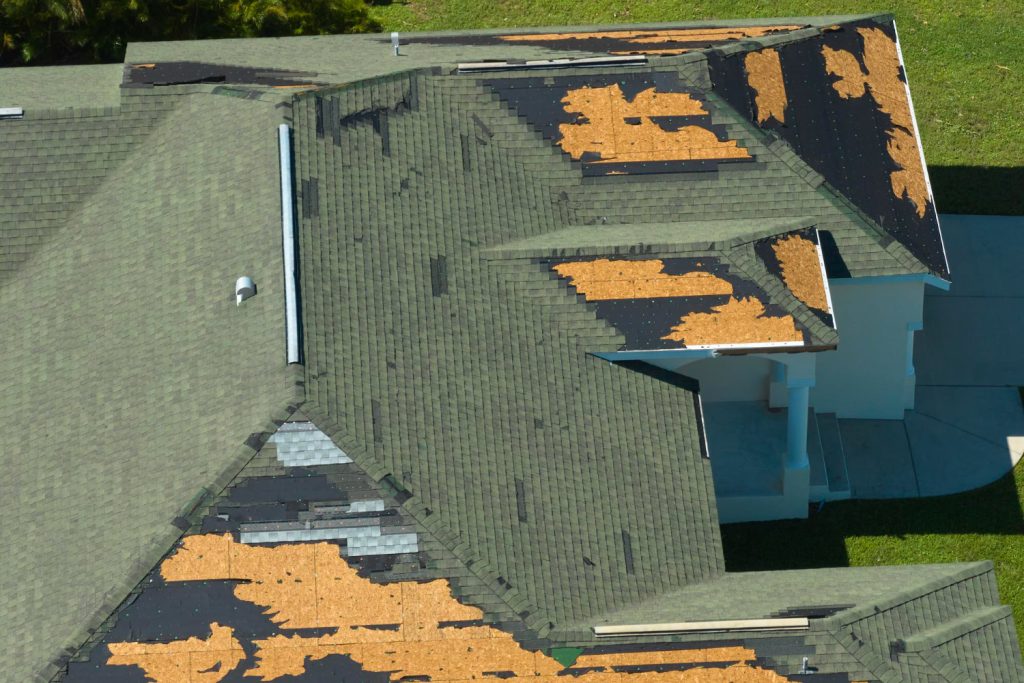
High winds can pull shingles completely free, loosen their edges, or break tabs that once kept the roof surface sealed. Missing shingles may be visible from the yard, but we do not recommend climbing onto a roof to get a closer look. A damaged roof can be slippery, unstable, and harder to assess safely after a storm.
Keep an eye out for warning signs around the property, including:
- Bare or darker-looking patches on the roof
- Shingles or shingle pieces in the yard
- Granules collecting in gutters or near downspouts
- Uneven lines or sections that appear lifted
Albuquerque’s strong sun can also make aging shingles dry and brittle. Once wind lifts an older shingle, it may crack, tear, or detach more easily during the next weather event.
When roofing materials are missing, wind-driven rain can reach the underlayment and roof deck. From there, moisture may travel into the attic, insulation, and interior ceilings. For wind damage roofing in Albuquerque, we recommend a professional inspection as soon as you notice missing materials or debris around the building.
Lifted Flashing and Loose Materials Invite Leaks
Shingles are not the only parts of a roof that can suffer in high winds. Flashing, the metal material placed around chimneys, skylights, vents, valleys, and wall intersections, helps direct water away from openings. Wind can bend or loosen flashing even when the rest of the roof looks normal from the ground.
A few signs may point to a problem near these areas:
- Metal edges that appear lifted or bent
- Exposed nail heads
- Loose ridge caps along the roof peak
- Damaged vent covers or pieces around roof penetrations
- Leaves and debris collecting in roof valleys
These weak points can create a direct path for rainwater. The leak may begin slowly, so there may be no obvious drip right away. Still, moisture can work its way into framing, insulation, and interior finishes over time.
With wind damage roofing in Albuquerque, our inspections look beyond the most visible shingles. We check roof transitions and other areas where water can enter quietly. Addressing loose flashing or damaged roof components early may help prevent a small exterior issue from becoming a larger interior problem.
Interior Water Stains Demand Fast Investigation
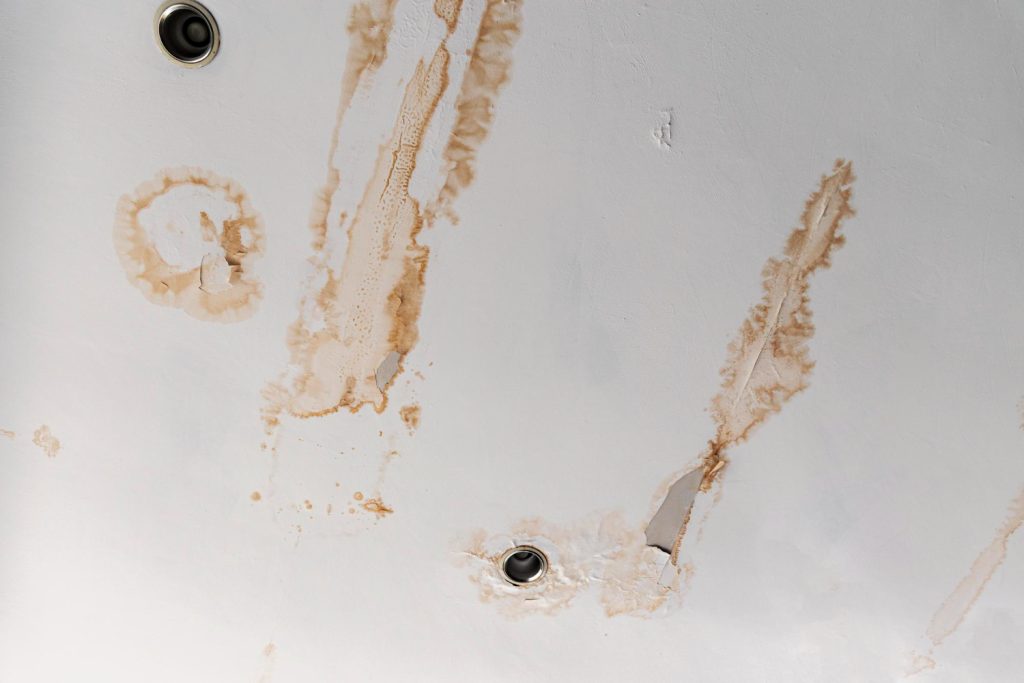
A ceiling stain after a windstorm should not be ignored, even if it looks small or dries out. The spot you see inside may be far from where the roof was damaged. Water can travel along the roof deck, framing, or insulation before it appears on a ceiling or wall.
Pay attention to changes such as peeling paint, bubbling drywall, damp attic insulation, musty smells, or dark marks near ceilings. We also recommend documenting what you find after a storm. Photos of interior stains, fallen shingles, damaged gutters, and visible debris can help show how conditions changed.
Waiting for a larger leak can allow moisture to affect more of the building. Over time, trapped water may contribute to mold growth, wood deterioration, damaged insulation, and concerns around electrical areas. Our professional assessment can trace the issue back to its source and identify the repair work the roof needs.
Storm Debris and Sagging Require Immediate Help
Some storm damage calls for faster attention than a few loose shingles. Tree limbs, windblown debris, punctures, sagging roof sections, detached gutters, and broken soffits or fascia can affect drainage and may point to damage below the surface.
If water is actively entering the building, move people, furniture, electronics, and other valuables away from the affected area when it is safe to do so. Avoid removing large limbs from the roof or walking on damaged roofing. Both can create additional risks and make the damage worse.
Changing fall weather can bring more wind and moisture before you have time to forget the last storm. At Interstate Roofing Albuquerque, we assess storm-related roof concerns, identify the most urgent repair priorities, and help protect residential and commercial properties.
Schedule Your Wind Damage Inspection Today
Missing shingles, lifted flashing, interior stains, and storm debris are all signs that a roof needs a closer look. Early inspection can help limit water damage and preserve the remaining service life of your roof.
After a strong windstorm, take note of visible changes from the ground and inside the building, then have a roofing professional evaluate the roof before the next round of weather arrives.
Protect Your Roof Before Damage Spreads
Interstate Roofing Albuquerque provides prompt assessments and dependable repair solutions tailored to storm-related roof issues. Get experienced help with wind damage roofing in Albuquerque to address vulnerable areas and help protect your property. For a personalized repair estimate, contact us today.