Protect Your Roof Before Hidden Storm Damage Spreads
A storm roof inspection in Clearwater can reveal damage that is easy to miss from the ground. Late October is still an active part of Florida’s hurricane season, and wind, wind-driven rain, falling debris, and lingering moisture can all affect a roof. Even a small opening around a shingle, tile, vent, or flashing area may let water enter and worsen over time.
Clearwater’s coastal setting brings repeated exposure to heavy rain and salt air, which can add to normal roof wear. At Interstate Roofing Tampa, we provide residential and commercial roofing assessments, repairs, replacements, and storm restoration guidance for property owners in Clearwater and nearby Pinellas County coastal communities. Our goal is to give you a clear picture of what happened to your roof and what should be addressed next.
Know When a Storm Roof Inspection in Clearwater Is Needed
After a tropical storm, hurricane, severe thunderstorm, or high-wind event, we recommend having your roof checked even if it looks fine from your driveway. Wind can lift materials just enough to break their seal without pulling them completely off. Rain may then work beneath the roof covering, where the damage is harder to see until a leak appears inside.
Warning signs that deserve prompt attention include:
- Missing, loose, curled, or lifted shingles
- Cracked, shifted, or broken roof tiles
- Granules collecting in gutters or at downspouts
- Bent flashing, exposed fasteners, or debris on the roof
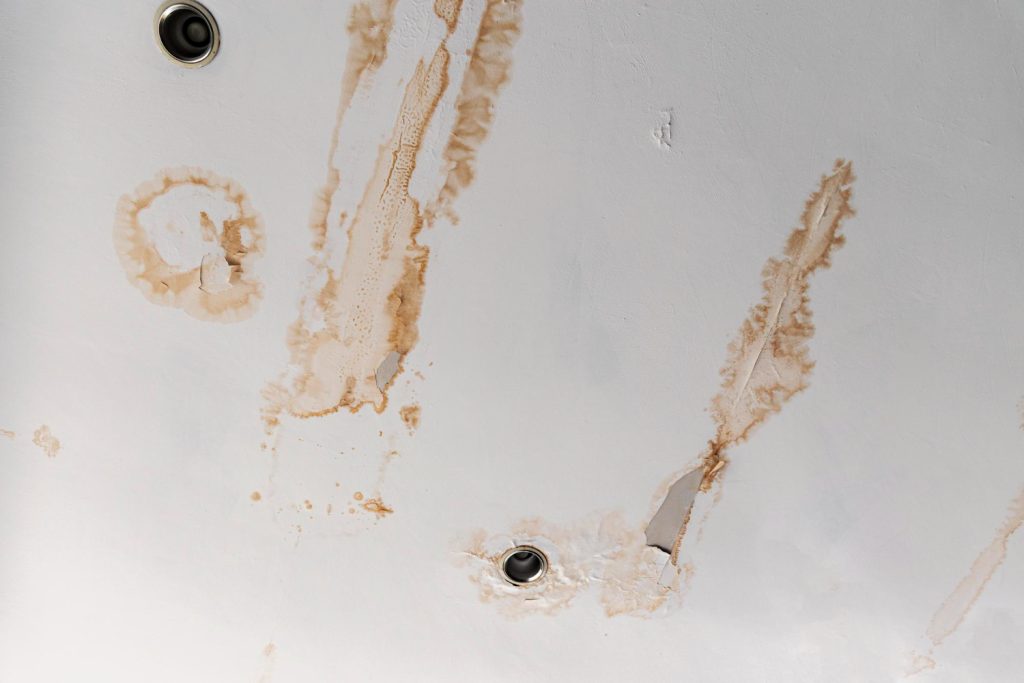
- Water spots on ceilings, damp attic insulation, or musty odors
Please do not climb onto a roof after a storm. Strong winds can loosen roofing materials, and hidden soft spots can make walking on the surface unsafe. Fallen branches and wet debris can also hide damaged areas or create additional hazards.
A professional inspection can be useful before a visible leak develops. Early findings and repairs may help limit moisture damage, mold growth, insulation problems, and deeper concerns within the roof structure. Prompt documentation can also be helpful if you later need to discuss possible storm-related damage with your insurance carrier.
See How a Professional Inspection Documents Damage
During an exterior review, we look beyond the most obvious storm mark. A roof works as a connected system, so damage in one area can affect another. Our inspection considers the condition of shingles, tiles, or metal panels, along with the parts that protect edges, openings, and drainage paths.
Depending on the roof type, we review items such as:
- Flashing around chimneys, walls, skylights, and roof transitions
- Vents, pipe penetrations, and seals around roof openings
- Gutters, drainage components, and areas where water may back up
- Wind uplift, impact marks, displaced materials, and loose fasteners
- Exposed areas that may allow rain to reach the layers below
The inside of the building matters just as much as the exterior. In an attic, we look for damp insulation, moisture staining, darkened wood, and signs that water has entered from above. On ceilings and walls, stains, peeling paint, bubbling surfaces, and musty smells can point to a roofing issue that is not visible outside.
After the assessment, clear records help you understand the roof’s condition. Photographs, written findings, and repair recommendations can show what we found and why a certain repair or replacement option may make sense. These details can also give you organized information to keep on hand when speaking with your insurance provider about possible coverage.
Understand What a Storm Roof Inspection in Clearwater Covers
A thorough storm roof inspection in Clearwater should cover the entire roofing system, not only the spot where damage is easiest to see. Storms can affect roof coverings, underlayment, flashing, ventilation, drainage, and the areas where the roof meets walls or other structures. Water often travels away from the original opening, so an interior stain may not sit directly below the damage.
Our findings help separate ordinary wear from storm-related concerns that need repairs. Cosmetic marks may not always affect roof performance, while a lifted shingle, cracked tile, damaged seal, or bent flashing piece may expose the roof to water. We also consider the roof’s material, age, previous repairs, and the amount of moisture exposure when explaining what we see.
Property type also changes what an inspection needs to cover. Residential roofs may use shingles, tile, or metal, each with different areas that can shift or crack during high winds. Commercial properties may have low-slope roofing systems, membranes, coatings, drainage points, or penetrations that need a different type of review.
Rather than assuming every storm requires a full replacement, we look at the condition of the system as a whole. That approach gives you a more useful recommendation, whether the roof needs a targeted repair, continued monitoring, restoration work, or a replacement plan.
Review Repair, Replacement, and Insurance Next Steps
Minor storm damage can sometimes be handled with focused repairs. Depending on the inspection findings, that may include replacing damaged shingles or tiles, resealing flashing, securing loose materials, or repairing a roof penetration. Addressing these issues early can help reduce the chance that future rain reaches the roof deck, insulation, or interior spaces.
Replacement may be the more reliable choice when damage is widespread or the roof already has signs of age and repeated leaks. Extensive underlayment concerns, multiple damaged areas, or a roof near the end of its service life can make repeated repairs less practical. We explain the condition we find and provide recommendations based on the roof, not just the latest visible damage.
Keep your own records organized after a storm. Photos from before and after the event, inspection findings, maintenance documents, and notes about when you noticed a concern can all be useful. We can provide professional assessment details and repair recommendations, while you should review your policy, coverage terms, and claim requirements directly with your insurance carrier.
Act Before the Next Storm System
Waiting for a ceiling stain or active leak can allow a small storm issue to become a larger repair. A post-storm assessment gives you a chance to identify hidden damage, understand the condition of your roof, and make informed decisions before another round of wind and rain arrives.
If your property experienced recent severe weather, pay attention to changes around the roof and inside the building. Fast action after a storm can help protect the roof system, limit water intrusion, and give you a clearer path forward.
Get Clear Answers About Your Roof
Interstate Roofing Tampa provides thorough assessments to help commercial property owners understand their roof’s condition and next steps. Arrange a storm roof inspection in Clearwater with our experienced team for a detailed evaluation of your roof system. For assistance with your property, contact us today.