Quick Answer Roof replacement in Cheyenne typically costs $9,000-$20,000 for a standard 2,000 sq ft home, depending on materials, pitch, and complexity. Impact-resistant shingles and metal roofing cost more upfront but often qualify for insurance discounts and last significantly longer in the Wyoming climate.
For most Cheyenne homeowners, a full roof replacement on a standard 2,000 sq ft home typically runs between $9,000 and $20,000. The final price depends on the roofing material (asphalt vs. metal vs. specialty products), roof pitch and complexity, tear-off and decking repairs, and upgrades like impact-resistant shingles that stand up better to our region’s wind and hail. While materials like Class 4 impact-resistant shingles and metal roofing cost more upfront, they often qualify for insurance discounts and deliver a much longer service life in Cheyenne’s harsh, high plains climate.
How Much Does a Roof Replacement Cost in Cheyenne?
Roof replacement costs in Cheyenne, Laramie, Torrington, Wheatland, and surrounding Laramie County communities are driven by both national material prices and our unique Wyoming weather patterns. Here is a realistic overview of what local homeowners and property managers can expect to pay in 2024–2025 for a typical, full tear-off and replacement:
- Basic architectural asphalt shingles: roughly $9,000–$14,000 for a 2,000 sq ft home
- Class 4 impact-resistant asphalt shingles: roughly $11,000–$17,000
- Standing seam or high-quality metal roofing: roughly $15,000–$25,000+
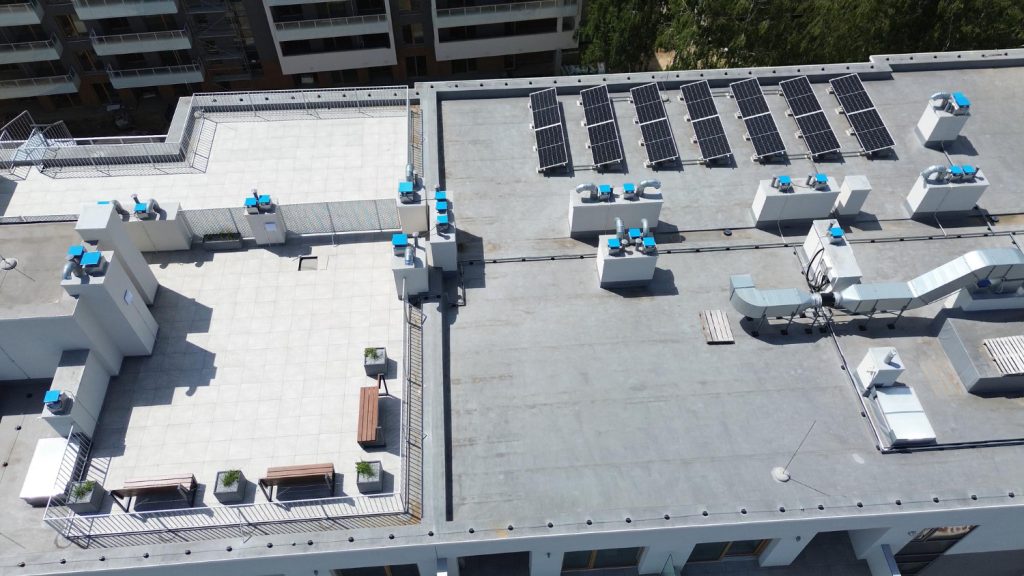
- Flat / low-slope TPO roof (residential or small commercial): typically $8–$15 per sq ft installed
These ranges assume a standard roof with average pitch, easy access, and no major structural repairs. Large custom homes, complex roofs, steep pitches, multiple layers of old shingles, or significant decking replacement can all push costs higher.
For commercial buildings in Cheyenne and Southeast Wyoming, especially those with flat or low-slope roofs, costs are usually calculated on a per-square-foot basis and can vary widely based on insulation values, membrane type, and rooftop equipment. If you own a retail center near Dell Range, an office building downtown, or an agricultural facility outside town, a site-specific estimate is essential.
Key Factors That Affect Roof Replacement Cost in Cheyenne
No two roofs are identical, which is why two neighbors in the same Cheyenne subdivision can receive very different replacement quotes. Below are the primary cost drivers we see every day on roofs from Cheyenne to Laramie and Torrington.
1. Roof Size and Complexity
Roofing is typically priced by the “square” (100 square feet). More surface area means more materials and labor. Complexity also matters:
- Simple gable roofs are the most affordable.
- Multiple hips, valleys, dormers, and skylights increase labor time and waste material.
- Chimneys and penetrations require careful flashing and waterproofing, adding cost.
2. Roof Pitch and Accessibility
In Cheyenne’s windy climate, many homes have steeper roofs to shed snow and water quickly. The steeper and taller the roof, the more time and safety equipment are required:
- Low to moderate pitch (4/12–6/12): more straightforward and economical to replace.
- Steep pitch (8/12 and above): requires additional safety harnessing, staging, and often more crew members, increasing labor costs.
- Difficult access (tight lots, landscaping, or outbuildings in the way): can add to the labor and equipment needed for tear-off and installation.
3. Material Type and Performance
The material you choose has the biggest impact on your final cost and long-term value. In Wyoming’s high plains environment, with intense UV exposure, extreme wind events, heavy snow loads, hailstorms, and constant freeze-thaw cycles, it is important to choose materials built to last.
Common roofing options in Cheyenne include:
- Architectural asphalt shingles: The most common and budget-friendly choice. Good quality architectural shingles, especially from manufacturers like GAF, offer strong performance if properly installed and ventilated.
- Impact-resistant (Class 4) shingles: Designed to better withstand hail impacts and high winds. They cost more than standard architectural shingles but often last longer and can reduce storm damage.
- Standing seam metal roofing: Extremely durable, highly wind-resistant, and excellent for shedding snow. Higher upfront cost, but often 2–3 times the lifespan of conventional shingles when properly maintained.
- Flat / TPO membranes: Common on commercial properties and some residential additions. TPO is valued for its durability, heat-welded seams, and energy efficiency, especially important on sun-exposed roofs in Cheyenne, Laramie, and Wheatland.
4. Tear-Off, Decking, and Underlayment
Most full roof replacements in our area include a complete tear-off of old shingles down to the decking, which allows us to inspect for damage caused by leaks, ice dams, or previous hail events.
Additional costs can arise from:
- Multiple layers of old shingles that must be removed and disposed of
- Rotten or delaminated decking needing replacement
- Upgraded ice and water shield in valleys and eaves to combat ice dams and freeze-thaw expansion
- High-performance synthetic underlayment for better moisture protection and wind resistance
5. Ventilation and Code Upgrades
Proper attic ventilation is critical in Cheyenne’s climate, where we see hot summer temperatures followed by frigid winters. Poor ventilation can shorten shingle life and contribute to ice dams and moisture problems.
Roof replacement often includes:
- Adding or upgrading ridge vents and intake vents
- Bringing ventilation and flashing details up to current local building codes
- Addressing bathroom or kitchen fans that are improperly vented into the attic
Code-required upgrades may add to the upfront cost but help protect your investment and can be required for insurance or resale.
How Cheyenne’s Climate Impacts Roofing Choices and Costs
Cheyenne is no stranger to severe weather. According to the National Weather Service Cheyenne, our area regularly experiences high winds, severe thunderstorms, and significant winter storms. These conditions should directly inform your roofing decisions.
Extreme Winds
Strong wind events along the I-25 and I-80 corridors are notorious for tearing off poorly installed shingles and even damaging improperly secured metal roofs. Investing in:
- High-wind-rated shingles or metal panels
- High-quality fasteners and proper nailing patterns
- Correct starter strips and edge metal installation
can reduce the risk of blow-offs and emergency repairs. These upgrades may slightly increase your project cost but significantly improve long-term performance.
Hailstorms and Impact Damage
Eastern Wyoming is located in a region frequently hit by severe hail. The Insurance Institute for Business & Home Safety (IBHS) recommends impact-resistant roofing products in hail-prone areas to reduce claim frequency and severity.
While Class 4 impact-resistant shingles or heavier-gauge metal roofing add to the initial price, they often:
- Reduce the likelihood of cosmetic and functional hail damage
- Extend the life of your roof between storms
- Qualify for premium discounts with many insurers (check with your carrier)
Over time, that can make a more durable roof the more economical choice for homes in Cheyenne, Laramie, Torrington, Wheatland, and rural Laramie County.
Snow Loads and Freeze-Thaw Cycles
Heavy, drifting snow and rapid freeze-thaw cycles can stress roofing systems, particularly around eaves, valleys, and low-slope sections. Extra protection is often recommended:
- Ice and water shield at eaves, valleys, and penetrations
- Proper insulation and ventilation in the attic to reduce ice dam formation
- Strong, watertight flashing details around chimneys, skylights, and transitions
These measures add modestly to roof replacement costs but protect against leaks that can cause much more expensive interior and structural damage.
Roof Replacement and Insurance: What Cheyenne Property Owners Should Know
Many roof replacements in Southeast Wyoming are triggered not by age alone, but by hail or windstorm damage. Understanding how insurance fits into the process can save you stress and out-of-pocket costs.
Storm Damage vs. Wear and Tear
Your homeowners or commercial property policy typically covers sudden, accidental damage—like hail impacts, wind-driven shingle loss, or tree damage—not normal wear and tear or end-of-life shingles. A thorough inspection by a qualified roofing contractor can help distinguish between the two.
Deductibles and Coverage Types
Many Wyoming policies now use wind/hail deductibles, sometimes as a percentage of the dwelling coverage. It is important to understand:
- Whether your roof is covered at Replacement Cost Value (RCV) or Actual Cash Value (ACV)
- How your deductible applies to a roof claim
- Any requirements for specific roofing materials or impact-resistant products
For policy details, you can review resources from the Wyoming Department of Insurance or speak directly with your insurance agent.
How a Local Roofing Contractor Helps with Claims
A reputable, local roofing contractor can assist by:
- Providing a storm damage inspection and clear documentation
- Meeting with your insurance adjuster on-site when requested
- Preparing a detailed, line-item replacement estimate that aligns with insurance guidelines
- Helping ensure your roof is restored to pre-loss condition or better, not just “patched”
This is especially important for larger residential properties and commercial roofs in Cheyenne, Laramie, and nearby communities where claim values can be significant.
Tips to Get the Best Value from Your Roof Replacement
Cost matters—but so does long-term value. Here are practical ways Cheyenne-area property owners can get more from every roofing dollar:
- Prioritize quality installation over the lowest bid. A great shingle installed poorly will fail sooner than a mid-range shingle installed by an expert crew.
- Consider impact-resistant or metal options. With our hail and wind, durable materials can reduce long-term repair and replacement costs, and may lower insurance premiums.
- Ask about warranty coverage. Manufacturer warranties vary widely. Workmanship warranties from your contractor are just as important as product warranties.
- Evaluate energy efficiency. Lighter-colored shingles or reflective membranes can help manage summer heat. The ENERGY STAR roofing program offers helpful information on cool roofing options.
- Plan ahead for gutters and accessories. Replacing your roof is the ideal time to upgrade gutters, downspouts, and gutter protection to handle Cheyenne’s heavy rains and snowmelt.
Why Cheyenne Homeowners Choose Interstate Roofing
When you are investing $9,000–$20,000 or more in a roof replacement, the contractor you choose matters as much as the materials. Interstate Roofing brings a proven track record to homes and businesses across Cheyenne and Southeast Wyoming.
Key reasons local property owners trust Interstate Roofing include:
- GAF Master Elite certified contractor status, a designation held by only a small percentage of roofing companies nationwide
- A+ rating with the Better Business Bureau — you can verify our standing directly at the BBB website
- Licensed and insured in Wyoming for your protection
- Extensive experience with hail and storm damage repair and insurance claim assistance
- Expertise in residential and commercial roofing, including asphalt, metal, and flat/TPO systems
- Comprehensive services including roof replacement, metal roofing, flat/TPO roofing, and gutters
- Free, no-obligation estimates so you can make an informed decision
From historic homes near downtown Cheyenne to newer subdivisions, ranch properties outside Wheatland, and commercial buildings in Laramie and Torrington, our crews understand how to build roofs that stand up to Wyoming’s demanding weather.
If you are wondering what a roof replacement will cost for your specific home or building in Cheyenne or the surrounding Laramie County communities, the next step is a professional, on-site evaluation. Contact Interstate Roofing today to schedule your free estimate. We will inspect your roof, explain your material options, help you navigate any insurance questions, and provide a clear, detailed proposal tailored to your property and budget—so you can protect your investment with confidence in Cheyenne and across Southeast Wyoming.
What factors affect roof replacement costs in Cheyenne?
Key cost factors include roof size, pitch, material choice, number of layers to remove, and current material costs. Cheyenne’s location means roofing crews deal with altitude-related physical demands and weather variability that can affect project timelines. Interstate Roofing Cheyenne provides transparent estimates.
Does insurance cover roof replacement in Cheyenne?
If your Cheyenne roof was damaged by wind, hail, or another covered peril, your homeowners insurance should cover replacement minus your deductible. Wyoming law protects homeowners during the claims process. Interstate Roofing Cheyenne works directly with insurance companies to ensure fair settlements.