Choose the Right Low-Slope Roof Before Winter
Choosing between TPO and EPDM is an important decision for a Monument commercial building, especially when snow, ice, wind, and freeze-thaw weather are on the way. Both are proven single-ply roofing membranes, but each one performs differently depending on your roof design, drainage, energy goals, rooftop traffic, and exposure to Colorado weather.
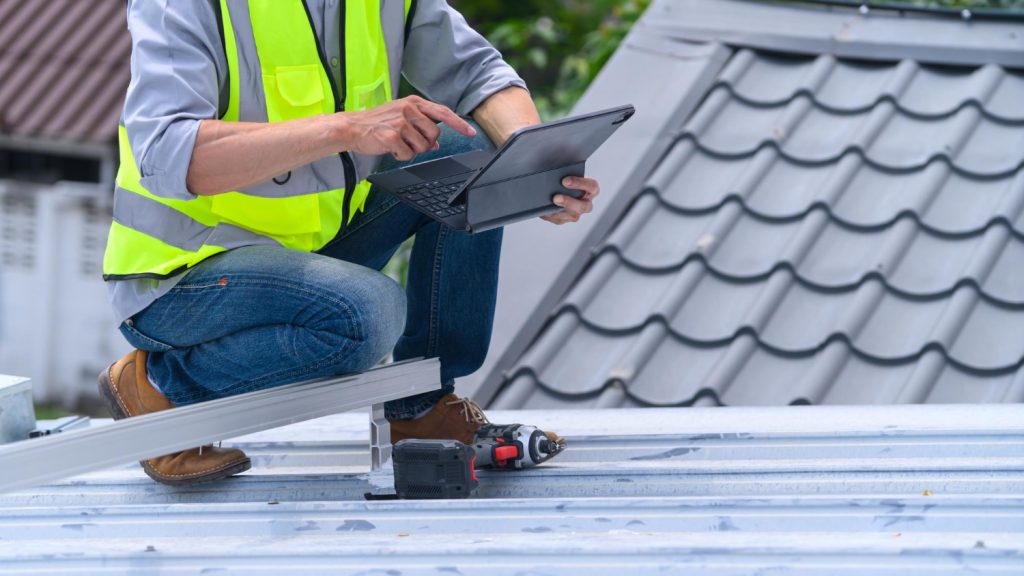
There is no one membrane that fits every property. A professional inspection helps us look at the full roof assembly, including insulation, flashing, drains, existing conditions, and equipment on the roof. Fall is a smart time to spot weak areas before snow buildup and repeated freezing expose them.
How TPO Roofing in Monument Handles Sun and Snow
TPO roofing in Monument is often considered for buildings that receive strong high-altitude sun. TPO usually has a light-colored, reflective surface that can reduce heat absorption when the roof is exposed to bright sunshine. That said, a roof’s energy performance depends on more than membrane color. Insulation, the roof assembly, HVAC use, occupancy, and the condition of the existing roof all play a part.
One of TPO’s defining features is its heat-welded seams. When installed correctly, welded seams can provide dependable protection where moisture might otherwise work its way below the membrane. The quality of that installation matters greatly around drains, curbs, vents, parapet walls, and other roof details where snowmelt may collect.
Before winter arrives, we look closely at areas such as:
- Seams, corners, and flashing transitions
- Drains and scuppers that may be clogged with debris
- Punctures caused by rooftop traffic or equipment work
- Low spots where water remains after rain or melting snow
Even a quality TPO system needs adequate slope and working drainage. Standing water can put added stress on any membrane over time, so correcting drainage concerns is often part of protecting the roof for the long run.
Where EPDM Performs Best on Local Commercial Roofs
EPDM is a flexible synthetic rubber membrane that has been used on low-slope commercial roofs for decades. Its flexibility can make it a good fit for roofs with many penetrations, unusual transitions, or areas where the building may experience movement. We evaluate membrane thickness and installation method based on how the roof is used and what conditions it faces.
Traditional EPDM is black, so it generally absorbs more heat from the sun than a white TPO membrane. That may be helpful during cold periods, but it does not offer the same reflective qualities during warm, sunny weather. White EPDM options are also available, giving property owners another choice when energy priorities are part of the discussion.
Unlike TPO, EPDM systems commonly use taped or adhered seams rather than heat-welded seams. Those seams can perform well when they are correctly installed and maintained, but they need regular attention. During an inspection, we check for seam separation, punctures, flashing concerns, membrane changes, and debris that could block drainage paths.
Compare Long-Term Value and Roof Performance
A commercial roofing decision should be based on the complete scope of work, not simply the initial proposal. Roof size, membrane thickness, insulation upgrades, removal of old materials, deck repairs, drainage corrections, rooftop equipment, and flashing details can all shape the project. Comparing complete scopes helps you see what is included and what condition issues still need to be addressed.
TPO is commonly selected for its reflective surface, while EPDM may be preferred when flexibility and familiar long-term performance are higher priorities. Neither option automatically delivers lower energy use on its own. We encourage property managers to consider insulation levels, HVAC efficiency, building use, and sun exposure alongside the membrane choice.
Both systems can provide reliable service when they are properly designed, installed, and maintained. Before selecting either membrane, review the warranty terms and workmanship coverage carefully. It is also wise to understand maintenance requirements and exclusions related to ponding water, storm damage, or damage caused by regular foot traffic.
Match Membrane Details to Your Building Needs
Your building’s use has a major effect on the right roofing system. Retail buildings, offices, warehouses, multifamily properties, churches, and industrial facilities may all have different roof layouts and maintenance demands. HVAC units, vents, skylights, solar equipment, service paths, and frequent technician visits can influence the membrane choice and the need for protective walk pads or reinforced details.
Drainage and insulation deserve just as much attention as the membrane itself. A low-slope roof should move water toward functioning drains, scuppers, or gutters. If water repeatedly gathers in certain areas, tapered insulation or other corrective work may be needed to reduce ponding and help prevent premature membrane wear.
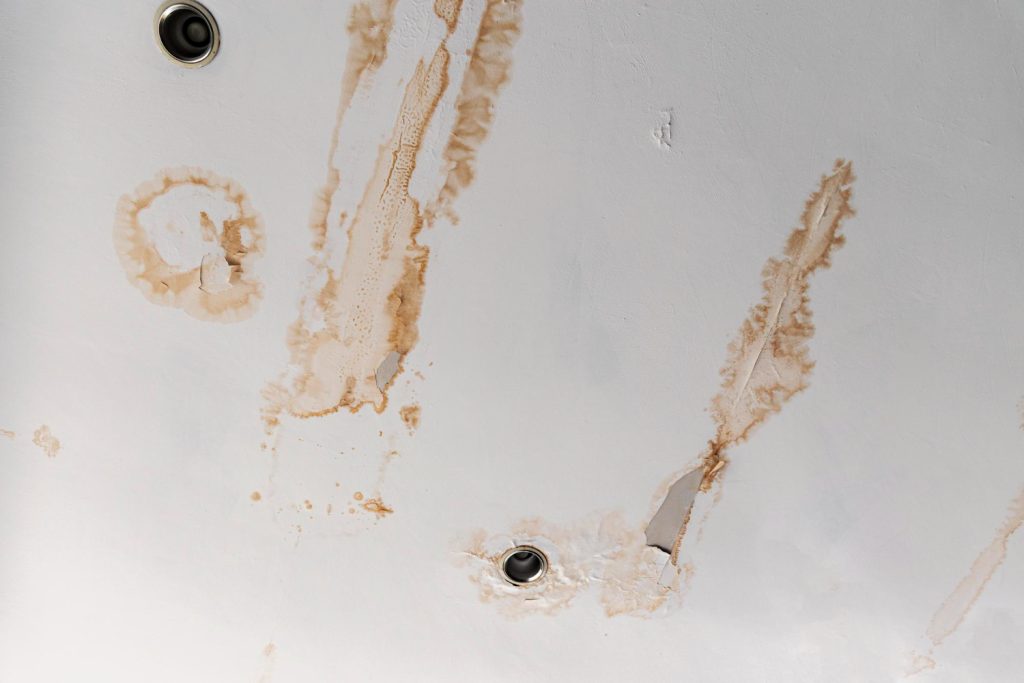
Colorado storms add another layer to the decision. Hail, wind-driven debris, heavy snow, and ice can affect TPO and EPDM alike. We recommend documenting roof conditions before winter and having a qualified roofing professional inspect the roof after major storms, particularly if you notice interior staining, loose flashing, or drainage problems.
Assess Your Roof Before Snowfall
The best choice between TPO and EPDM comes down to your roof layout, drainage, insulation, budget priorities, energy goals, and the condition of the existing membrane. A thorough commercial roof assessment can show whether a targeted repair, restoration approach, or full replacement makes the most sense for your building.
Addressing small seam, flashing, puncture, or drainage concerns during fall can help lower the risk of disruptive leaks once winter weather settles in. Clear drainage paths and documented roof conditions also give you a stronger starting point when snow, ice, wind, or hail put the roof to the test.
Choose the Right Membrane for Your Building
Interstate Roofing Colorado Springs can help you compare durability, energy performance, and installation needs for your commercial property. Explore our TPO roofing in Monument services to make an informed decision for your building. When you are ready to discuss your roof, contact us for a professional assessment.