Choose a Commercial Roof Ready for Four Seasons
A commercial roof in Salt Lake City has to handle far more than a warm, sunny afternoon. Intense summer UV exposure, winter snow, freeze and thaw cycles, wind, hail, and standing water can all put pressure on a low-slope roofing system. That is why the right choice involves more than comparing materials at the start.
TPO and EPDM are two common single-ply options for flat and low-slope commercial roofs. Both can provide dependable protection when they are professionally designed, installed, and maintained. Still, each material has different strengths involving reflectivity, flexibility, seam methods, and long-term upkeep.
Your building’s needs should guide the decision. A warehouse, office, retail center, apartment complex, or industrial property may have different priorities based on insulation, drainage, rooftop equipment, tenant activity, and plans for the property’s future. At Interstate Roofing Midvale, we evaluate these details before recommending a roofing approach.
Fall is also a practical time to inspect a commercial roof. Before snow and ice arrive, we can look for drainage trouble, seam wear, damaged flashing, and aging membrane areas that could become leaks during winter.
TPO Roofing in Salt Lake City Balances Cost and Efficiency
TPO is a white, reflective roofing membrane that is often chosen for commercial buildings with broad, exposed roof surfaces. Its light color can help reduce heat absorption during Salt Lake City’s sunny summers. Actual energy results vary, though, because insulation, HVAC performance, roof design, building use, and utility costs all play a role.
For many properties, TPO roofing in Salt Lake City is appealing because its seams are typically heat-welded. When installed correctly, those welded seams create strong bonds that help resist water intrusion. TPO also resists UV exposure, ozone, and many common rooftop contaminants.
We often consider reinforced TPO for buildings with HVAC equipment and regular maintenance traffic. A sound system should account for more than the membrane itself, including:
- Membrane thickness suited to the roof’s use
- Properly welded seams and detailed penetrations
- Secure insulation and edge details
- Drainage that moves water toward drains, scuppers, or downspouts
Material quality and installation practices can vary. A lower initial price should never outweigh correct installation, manufacturer requirements, and warranty coverage that fits the system.
EPDM Offers Flexibility in Cold Weather
EPDM is a synthetic rubber roofing membrane with a long history in commercial roofing. It is often black, though lighter options and coatings may be available. One of its best-known traits is flexibility, which can be helpful when winter temperature swings cause roofing materials and building components to expand and contract.
Unlike TPO, EPDM seams are commonly sealed with adhesive, tape, or liquid-applied products instead of heat welding. Modern seam tapes can perform well, but their success depends heavily on careful surface preparation, clean materials, suitable installation conditions, and experienced workmanship.
Regular inspections matter for any membrane roof, but we pay close attention to EPDM seams, flashing, drains, curbs, and equipment areas. Traditional black EPDM absorbs more heat than white TPO. That may be useful during cold weather, yet it can also lead to hotter roof surfaces in summer. Insulation improvements, reflective coatings, and a building-specific energy review can help you weigh that tradeoff.
Local Conditions Should Guide Your Choice
Neither TPO nor EPDM is automatically the better roof for every commercial property. TPO may suit owners who want a reflective surface and heat-welded seams. EPDM may be a good fit for buildings that benefit from a flexible membrane with an established track record. The best answer comes from the roof assembly and the building’s real-world conditions.
Salt Lake City weather and building features deserve close attention during the planning process. We look at factors such as:
- Snow accumulation, meltwater, and drainage paths
- Freeze and thaw exposure around seams and flashing
- Summer sun and membrane aging
- Wind uplift, hail, ponding water, and nearby trees
- Foot traffic around HVAC units and other rooftop equipment
Before recommending a repair, restoration, recover, or replacement, we inspect the roof deck, insulation, slope, drainage patterns, parapet walls, penetrations, and signs of trapped moisture. We also consider building code requirements, warranty needs, expected roof life, and how roofing work may affect daily operations.
Installation and Maintenance Protect Long-Term Performance
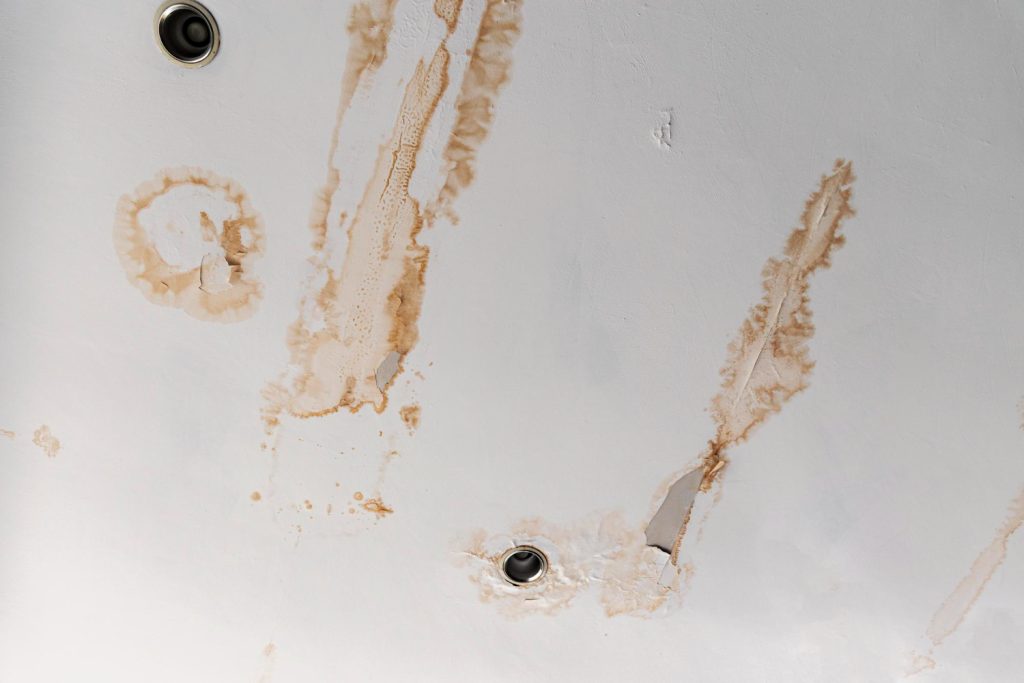
Even a quality membrane can fail early if it is not installed with care. Good preparation includes addressing damaged materials, correcting wet insulation, improving drainage where needed, securing the membrane correctly, and carefully detailing edges and penetrations. On many commercial roofs, leaks begin around seams, drains, flashing, curbs, skylights, and equipment supports rather than in the open membrane field.
Attachment method also matters. TPO and EPDM systems may be mechanically attached, fully adhered, or installed with ballast in certain situations. Each method can affect wind resistance, roof weight, future repairs, and compatibility with the building structure. We assess the property before determining which approach makes sense.
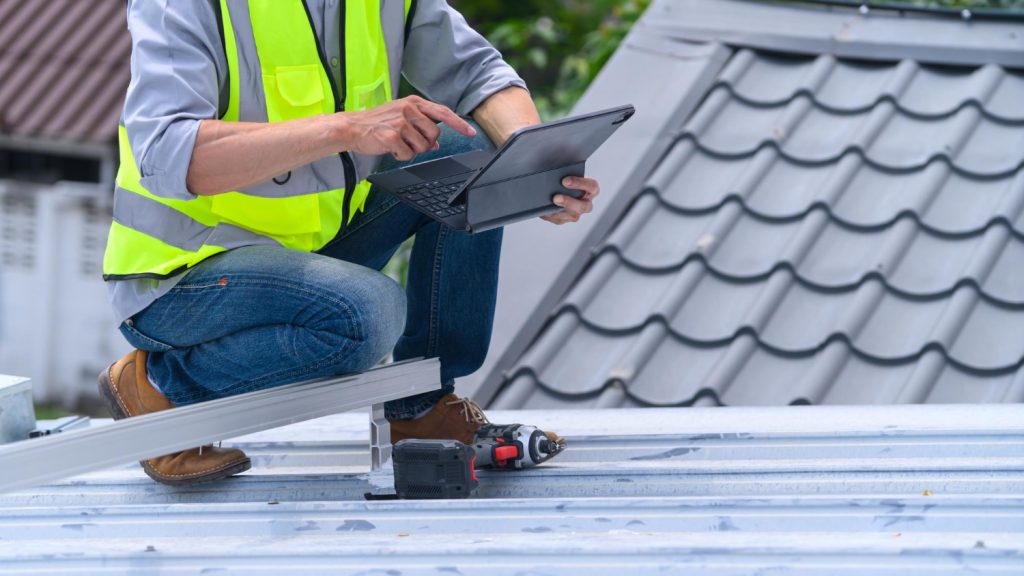
Ongoing care supports the roof system after installation. We recommend professional inspections at least twice a year, as well as after hail, high winds, or severe storms. Maintenance visits should include clearing debris from drains, checking seams and flashing, reviewing equipment areas, and documenting concerns before they turn into interior leaks.
A fall assessment gives you time to address weak seams, flashing damage, drainage problems, and active leaks before snow and ice add more stress. When material selection, roof design, installation, and maintenance work together, both TPO and EPDM can provide reliable commercial roof protection through changing seasons.
Get a Commercial Roofing Plan Built for Your Property
At Interstate Roofing Midvale, we help property owners compare systems, address repair needs, and plan for long-term performance. Our team can help you evaluate TPO roofing in Salt Lake City for your building’s goals and conditions. Ready to discuss your commercial roof? Contact us to schedule an evaluation.