What a Wheat Ridge Roof Estimate Should Include Before Winter
A roof estimate in Wheat Ridge should do more than show a bottom-line number. Before winter weather arrives, it should explain what is happening on your roof, what work is recommended, and how that work can help reduce the risk of leaks when snow, wind, ice, and sudden temperature drops move in.
Early November is a smart time for us to look closely at small concerns that may become larger under winter conditions. Along the Front Range, a missing shingle, loose flashing piece, or worn seal around a vent can let in melting snow. When water refreezes near the roofline, it can put added stress on already vulnerable areas. A detailed estimate helps you understand the condition of your roof before weather makes repairs more urgent.
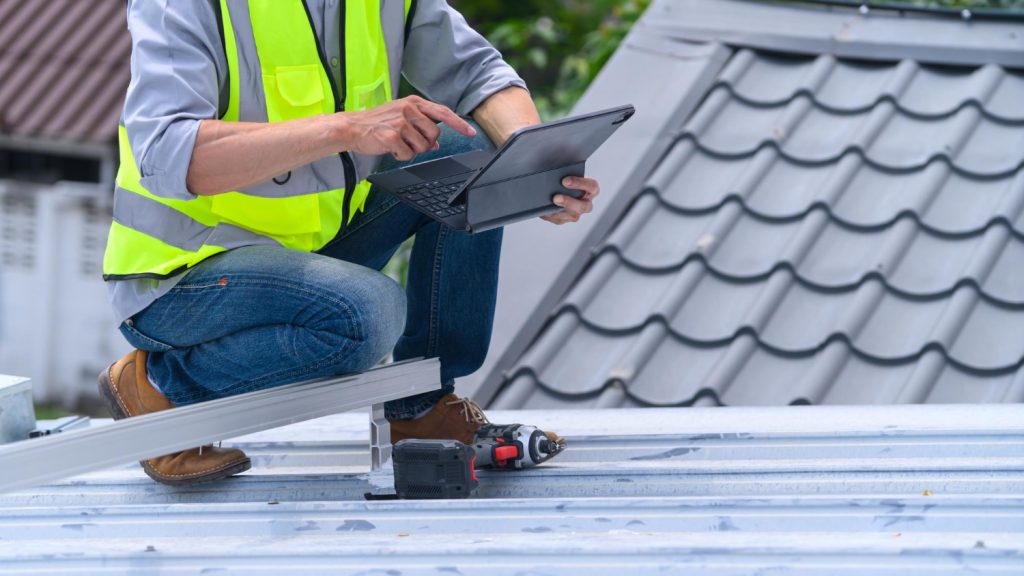
Start with Clear Inspection Findings
Before we recommend repairs or replacement, we should be able to show you what we found during the inspection. A useful estimate describes visible roofing concerns in plain language, rather than relying on broad phrases such as “repair as needed.”
Inspection notes may identify concerns such as:
- Missing, cracked, curled, or damaged shingles
- Worn flashing around chimneys, vents, skylights, or roof edges
- Exposed fasteners, granule loss, or damaged tiles
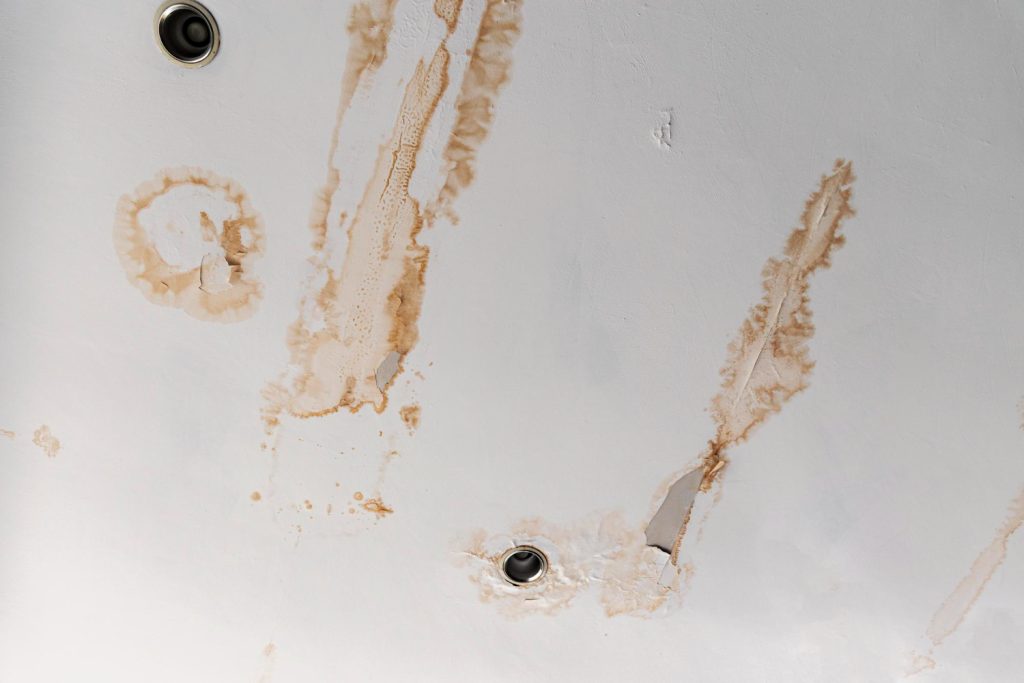
- Sagging sections, blocked drainage paths, or signs of water intrusion
- Moisture concerns around roof penetrations or along the roofline
Photos can also make an estimate easier to understand. When we document visible conditions, you can see why a certain repair is recommended and compare the proposed work with the roof’s actual needs.
The scope of work should be just as clear. You should know whether we are recommending a focused repair, a partial replacement, a full replacement, or related work involving gutters, fascia, ventilation, skylights, or chimney flashing. Vague estimates can make it hard to compare options because you may not know what one contractor has included that another has left out.
Winter-related risks deserve special attention. We look for areas where snow may collect, melt, and refreeze, along with signs that ventilation or flashing may not be protecting the roof as intended. Those details matter because winter weather often exposes weaknesses that were not obvious during dry conditions.
Materials Should Fit Colorado Weather
A good estimate should name the materials planned for your project. General language such as “new shingles” does not tell you enough about the roofing system being installed or repaired. Instead, we recommend reviewing the manufacturer, product line, color when applicable, and the specific components included in the work.
Depending on the project, the estimate may list:
- Shingles, tile, metal, or membrane roofing materials
- Underlayment and ice and water protection
- Flashing, fasteners, sealants, and edge materials
- Ridge vents, intake ventilation, and other ventilation products
- Replacement materials for affected gutters, skylights, or roof penetrations
Wheat Ridge roofs face more than snow. High winds, hail, strong sun, and changing temperatures can all affect roofing materials over time. For that reason, it is helpful to ask why a proposed product is a good match for your roof’s slope, design, and current condition.
Impact-resistant shingles, durable flashing, proper underlayment, and balanced ventilation may all be part of a weather-ready roofing plan. We also review whether the planned system addresses local code requirements. Two estimates may look similar at first, but one may leave out components that help protect the roof during harsh weather.
Work Details Help Prevent Surprises
An estimate should clearly outline what is included in the project. Rather than leaving major items unclear, the document should explain labor, roofing materials, removal and disposal of old materials, permits when needed, underlayment, flashing work, ventilation, and related repairs.
Some roof conditions are only visible after old materials are removed. Damaged decking, hidden moisture, or weakened sections beneath the existing roof may require additional attention. Before the work begins, we believe you should understand how those discoveries will be handled.
Ask whether the estimate explains:
- Allowances or unit pricing for possible decking repairs
- The process for approving changes to the planned scope
- Expected timing and weather-related scheduling considerations
- Property protection and cleanup practices
- Manufacturer and contractor workmanship warranty terms
Workmanship details matter just as much as the materials themselves. A winter-ready roof depends on correct installation, especially around valleys, roof edges, vents, skylights, and chimneys. The estimate should explain what warranty protection applies, what it covers, and how long it lasts.
While no one can control the weather, a clear project plan can prevent confusion if cold, snow, or wind affects the work schedule. You should know what protections will be used for your landscaping and property, along with how debris and old roofing materials will be handled after the project is complete.
Include a Storm Damage Plan
Late fall estimates should also address possible storm damage. Winter storms in Colorado can bring wind, snow, ice, and even hail with little warning. If we see damage that may be connected to a recent storm, inspection notes and photos can help you understand the condition of the roof and prepare for conversations with your insurance carrier.
We can explain the roofing findings and provide project documentation that reflects the visible damage and recommended work. What matters most is having a clear, accurate record of the roof’s condition. That information can be helpful when you need to review the roofing portion of an insurance claim.
Sometimes a full replacement cannot happen before severe weather arrives. In that situation, the estimate should spell out whether temporary protection is appropriate. Emergency repairs, tarping, targeted flashing repairs, or leak mitigation may help reduce the chance of water reaching your home’s interior while permanent work is scheduled.
Review the Full Estimate Before Winter Arrives
Before approving roofing work, take time to review the inspection findings, material details, scope of work, warranty information, and plan for unexpected conditions. We encourage you to ask questions about anything that is unclear, especially work around flashing, ventilation, drainage, roof decking, and storm-related damage.
A complete roof estimate gives you a practical path forward. When the details are documented before winter weather places added stress on the roof, you can make informed decisions and address concerns before they turn into larger problems.
Get Clear Guidance for Your Roofing Needs
At Interstate Roofing Denver, we provide thorough evaluations to help you understand your roof’s condition and next steps. Request a roof estimate in Wheat Ridge tailored to your property and roofing priorities. If you have questions or are ready to discuss your project, contact us today.