Protect Your Property After Wind Damage
Wind damage can leave your roof exposed when you least need it, especially as Midvale moves into colder, wetter weather. Loose shingles, bent flashing, fallen limbs, and damaged gutters can let in rain or snow, turning a small roof issue into a larger water problem. The first few hours after a wind event may feel stressful, but a calm, prompt response can protect both your property and your insurance claim.
We recommend putting safety first and avoiding the temptation to climb onto the roof for a closer look. Keep people, vehicles, and outdoor belongings away from fallen branches, loose materials, or damaged areas. Quick action matters because insurance policies commonly expect you to report damage promptly and take reasonable steps to prevent further loss.
Take Safe First Steps After a Wind Event
Start by inspecting the property from the ground. A roof can be unsafe after strong wind, and damage is not always easy to spot from above. Instead, look around the exterior and check indoors for signs that moisture may already be entering the building.
Watch for visible concerns such as:
• Missing, cracked, curled, or lifted shingles
• Bent flashing, damaged gutters, or roof debris in the yard
• Granules collecting near downspouts
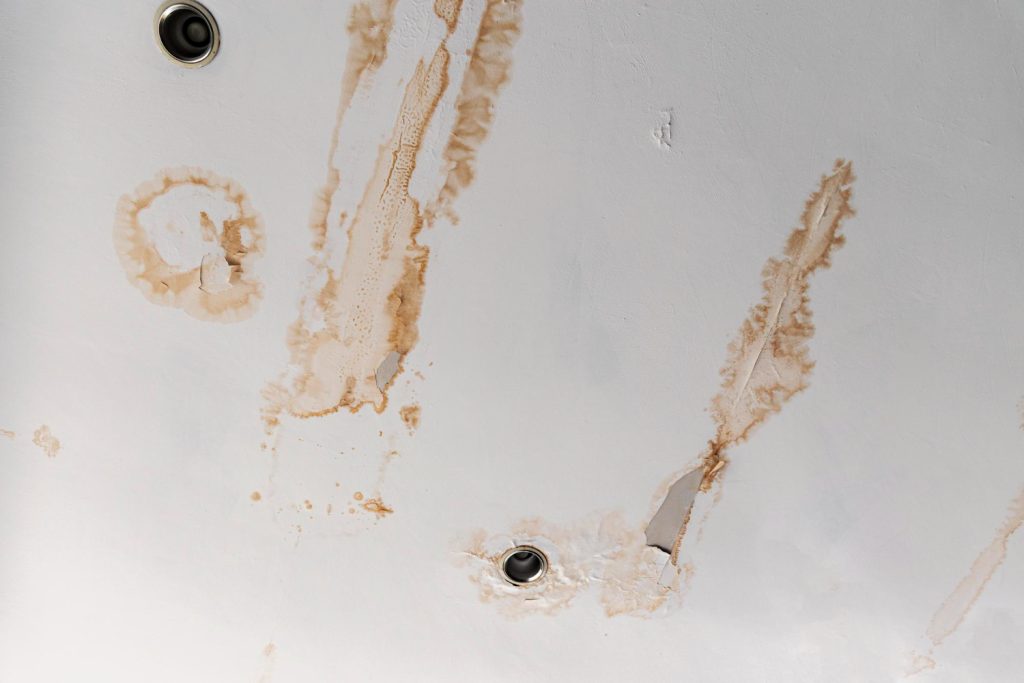
• Broken skylights, water stains, or active ceiling leaks
• Fallen branches near the roofline
For commercial properties, we also recommend watching for ponding water, visible membrane tears, and damage around rooftop equipment. Even a small opening around flashing or a roof penetration can allow water into the building.
If water is coming inside, move valuables away from the affected area and place containers below active leaks. Temporary protection may be needed, but roof tarping should only be done when conditions are safe and by a qualified roofing professional. We can assess the damage and provide appropriate emergency protection without adding unnecessary risk.
Keep receipts and take photos before and after any temporary measures. Those records may support your claim, particularly when the work helped prevent additional water damage. Avoid permanent repairs until the insurance carrier has had an opportunity to inspect the roof, unless immediate work is needed to protect the property.
Build a Clear Record of the Damage
Strong documentation gives your insurer a clearer picture of what happened and when. Before debris is removed or repairs begin, take photos and videos of all visible damage. Include wide views of the property as well as close-up images of specific concerns.
A helpful record may include:
• Roof debris, damaged shingles, flashing, gutters, and siding
• Interior stains, wet insulation, ceiling damage, and affected belongings
• Fallen branches or other storm-related debris
• Photos of temporary protection and invoices for emergency work
• A written timeline of the storm and your response
Write down the approximate date and time of the wind event, when you first noticed damage, when you contacted the insurer, and when a roof inspection was completed. If nearby properties show similar storm damage, that can also help show the broader weather event in the area.
Gather paperwork that shows the roof’s condition before the storm when available. Past inspection reports, maintenance records, repair receipts, warranties, and older property photos can all be useful. During our professional inspections, we look beyond what is visible from the ground for lifted shingles, damaged seals, compromised flashing, and moisture entry points that could otherwise be missed.
Understand Roofing Insurance Claims in Midvale
For roofing insurance claims in Midvale, contact your insurance carrier or agent as soon as possible after discovering the damage. Provide the date of loss, explain the type of wind damage you observed, and ask for a claim number. Keep the names, phone numbers, and notes from every conversation with insurance representatives in one place.
The insurer will typically assign an adjuster to review the reported loss and the terms of your policy. The adjuster may inspect the roof, examine photographs, and review documents related to the storm and any temporary repairs. You can share your inspection findings, photos, receipts, and other records during that process.
Having a roofing professional present during the adjuster inspection can be helpful. We can point out damaged roofing components, explain technical concerns, and compare the roof’s condition with the scope of work proposed by the insurer. Our role is to provide clear roofing information, while the insurance carrier makes the coverage decision.
A settlement can be affected by several policy details, including your deductible, the age of the roof, depreciation, exclusions, coverage type, and applicable building code requirements. Read the claim estimate carefully. If the listed work does not appear to address documented storm damage, ask the insurer for clarification and request a detailed roofing estimate when needed.
Move From Claim Approval to Lasting Protection
After approval, the insurer may issue an initial payment based on the accepted scope of work. Depending on the policy, additional funds may be released after repairs or replacement are complete. Before work begins, review the paperwork, understand your deductible responsibility, and make sure the planned work matches the approved damage.
Choosing the right contractor matters after any storm. Interstate Roofing Midvale works with residential and commercial roofing in the Salt Lake City area. We recommend confirming that any contractor you consider has appropriate insurance, relevant experience, references, written project details, and warranty information. Be cautious about rushing into an agreement with an unfamiliar company that appears only after a storm.
A proper repair or replacement should do more than cover the visible damage. The work should restore protection against wind, snow, freeze-thaw conditions, and future moisture intrusion by addressing the roofing material, underlayment, flashing, ventilation, drainage, and other leak-prone areas.
Arrange a Professional Roof Assessment
Wind damage is not always obvious from the ground, and waiting can allow a minor opening to become a larger problem during cold, wet months. A professional assessment can identify storm-related concerns, clarify what needs attention, and give you useful information for your insurance claim.
Prompt documentation, clear communication with your insurer, and properly completed repairs can help protect your property before the next round of severe weather arrives.
Get Support for Your Claim and Repairs
At Interstate Roofing Midvale, we provide dependable guidance for roofing insurance claims in Midvale, from damage assessments through completed repairs. Our team can help you understand the condition of your roof and prepare for the next steps. When you are ready to discuss your property, contact us to schedule an inspection.